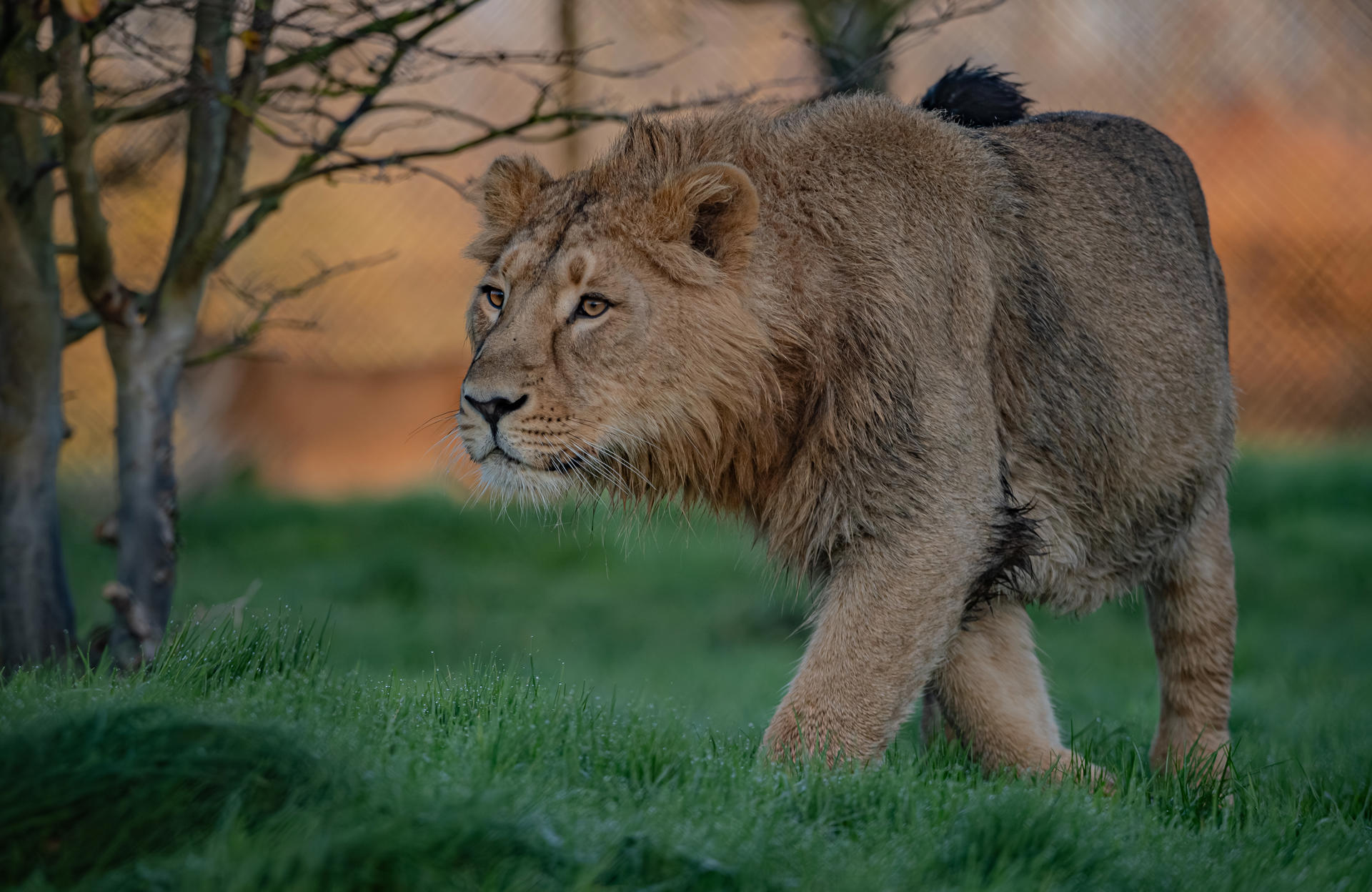
Asiatic lion
Panthera leo persica
About
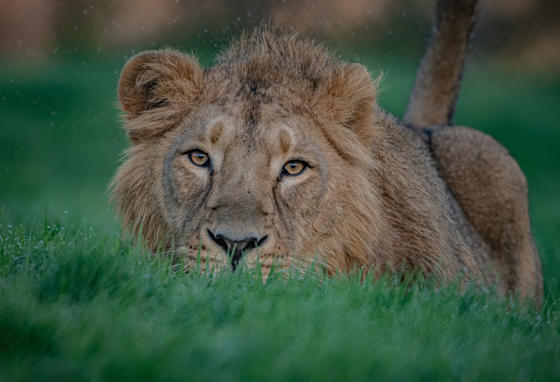
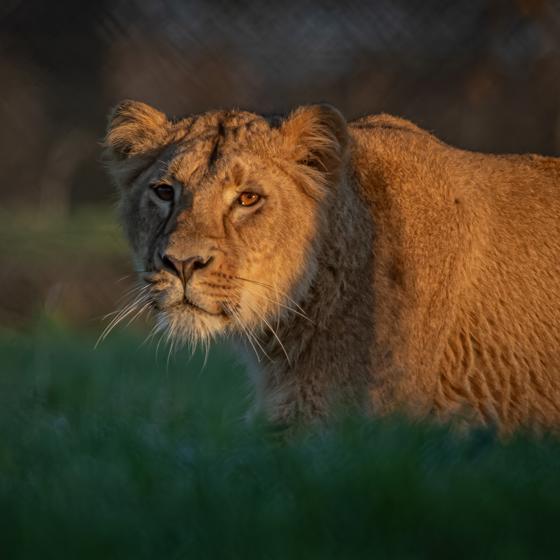
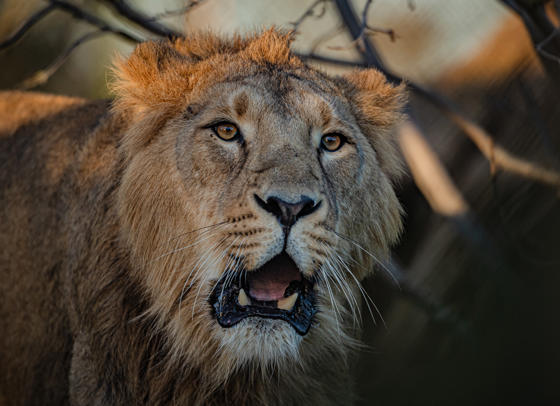
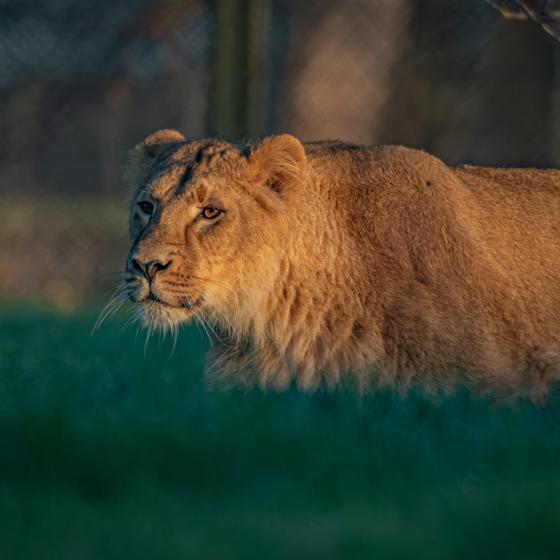
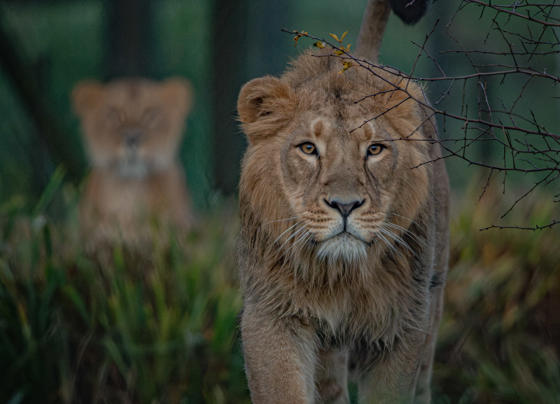
Once roaming across vast parts of northern Africa, the Middle East, and Asia, Asiatic lions are now found in just one place: India’s Gir Forest. Fewer than 350 remain in the wild. At Chester Zoo, we’re working to help safeguard their future.
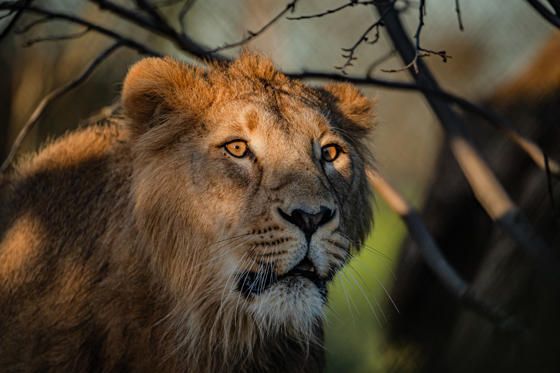
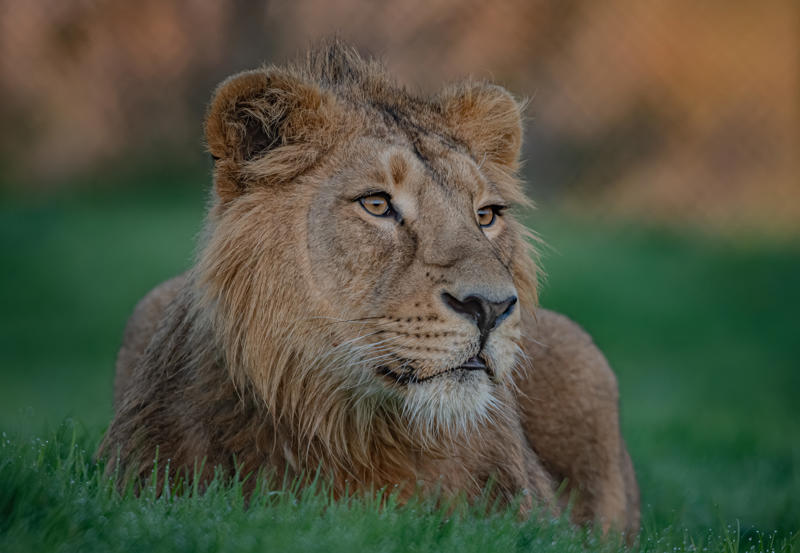
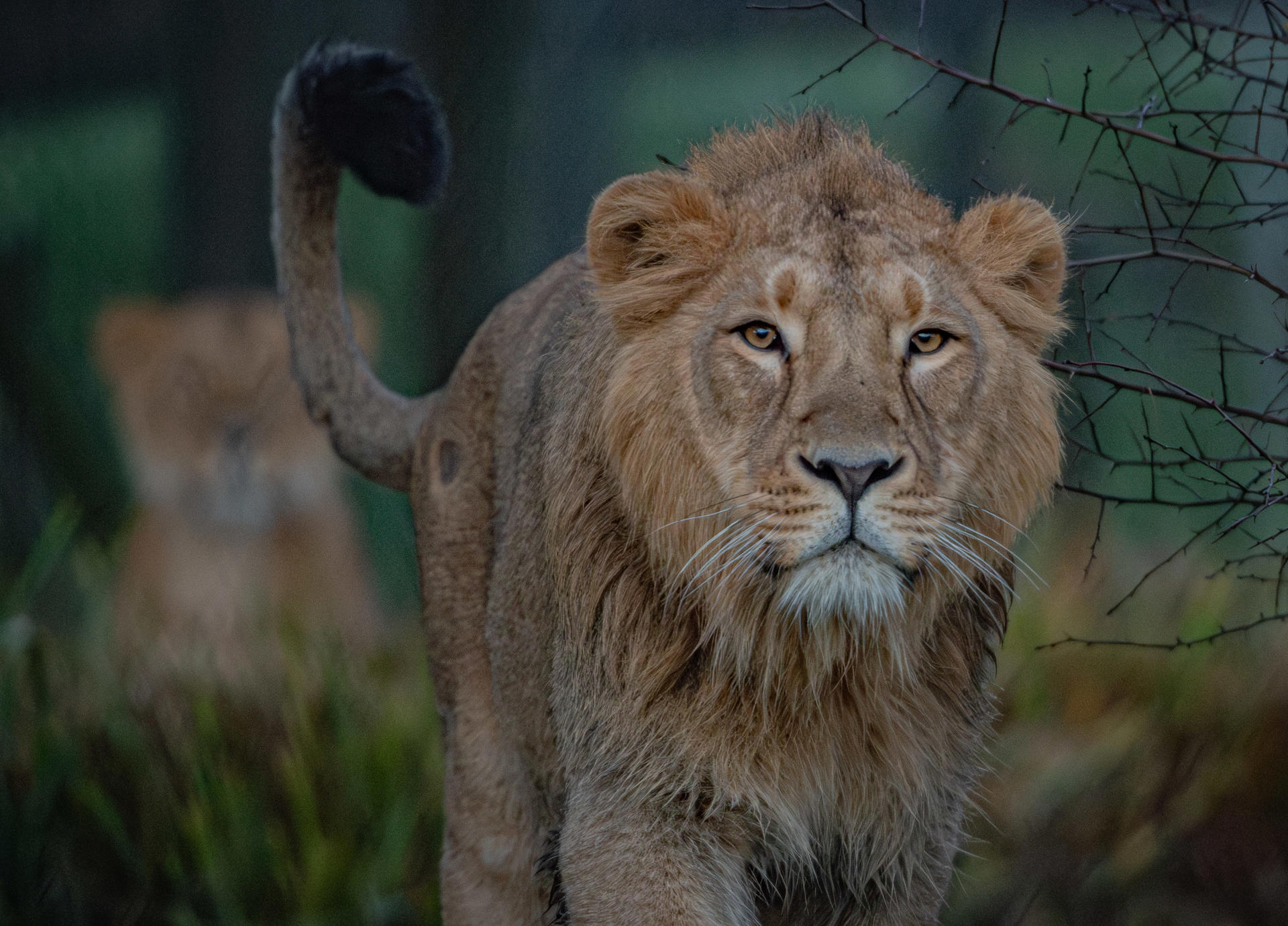
Smaller than their African cousins, Asiatic lions are still every bit as powerful. Males tend to have shorter, darker manes, making them visibly distinct. With muscular builds, strong jaws, and retractable claws up to 38mm long, they’re built for strength and strategy.
But for all their power, lions know when to pause. These sociable big cats rest up to 20 hours a day, conserving energy for nighttime hunts when the air is cooler.
Lions live in prides led by a dominant male, though it's the lionesses who form the pride's core, often staying together for life. Males typically leave the pride at around two years old to establish their own territories. Cubs are born once every couple of years, in litters of one to four.
Asiatic lion facts
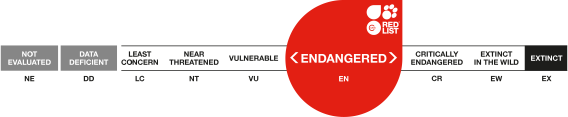
Threats
The Asiatic lions at Chester Zoo are part of the European Endangered Species Breeding Programme (EEP) - building a healthy, genetically diverse population across European zoos. These lions act as a vital safety net, protecting the future of the species if wild numbers fall.
But breeding alone isn't enough. We're also spotlighting the challenges Asiatic lions face in the wild - from shrinking habitats to a changing climate - and working with partners to find solutions.

Human intervention

Hunting or collection

Climate change & severe weather

Energy production & mining
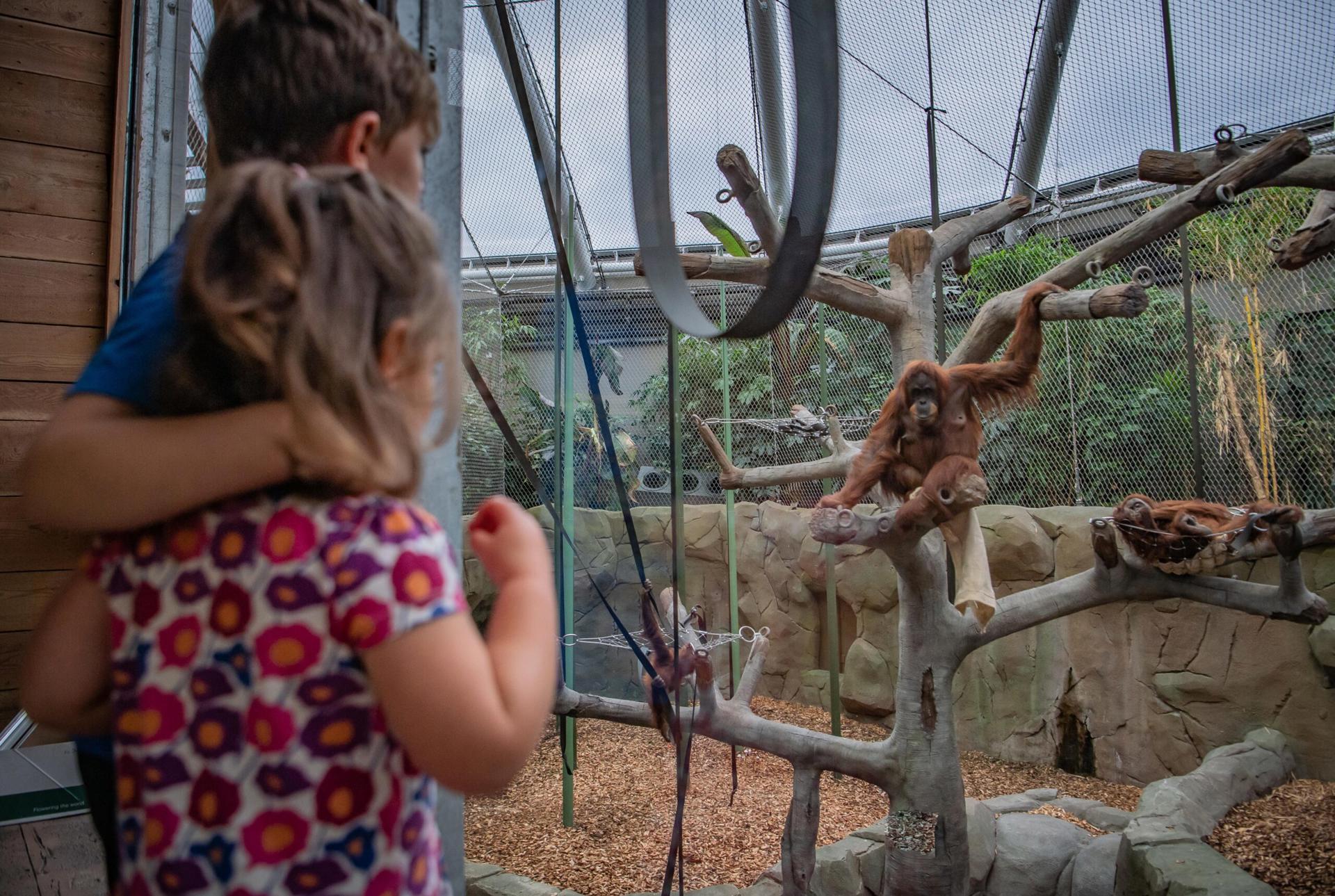
Our Asiatic lion habitat is kindly supported by Andrew and Savitha Calthorpe