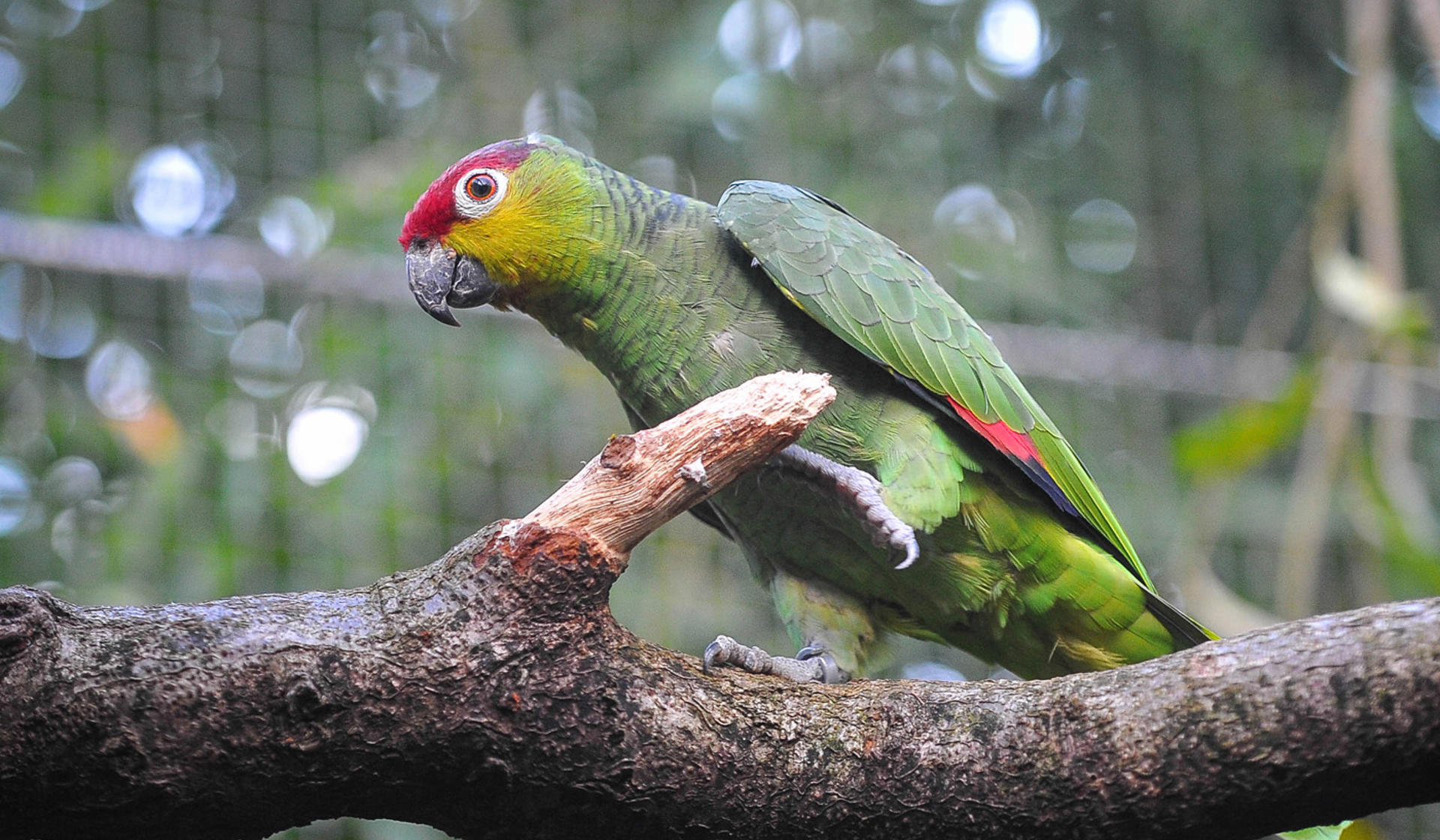
Ecuador Amazon parrot
Ara ambiguus

About
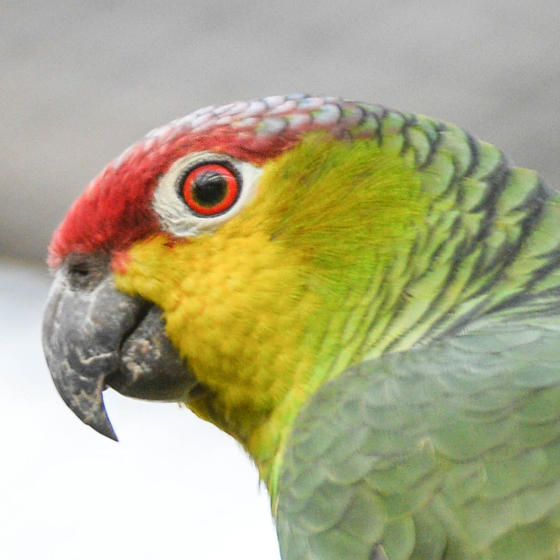
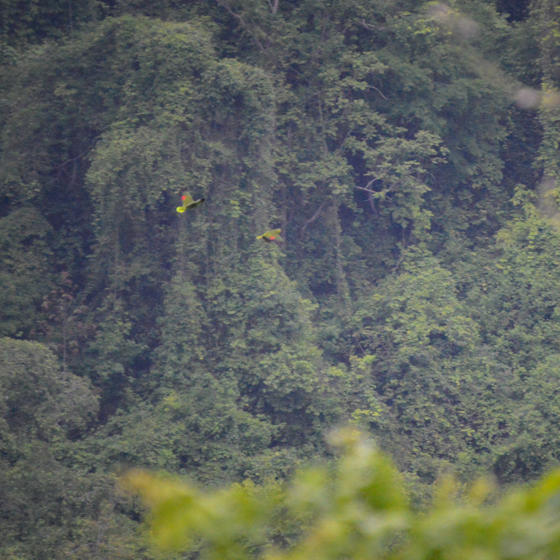
Very little is known about this beautifully colourful species of parrot and they’re known to be one of the rarest birds in the world.
Ecuadorian Amazon parrots were previously thought to be a sub-species of a common Amazon parrot so were offered very little protection.
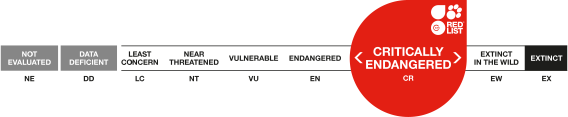
In 2014, as a result of our research, the International Union for Conservation of Nature (IUCN) awarded them full species status. They gained protection and became a conservation priority, as there’s possibly fewer than 600 individuals left in the wild.
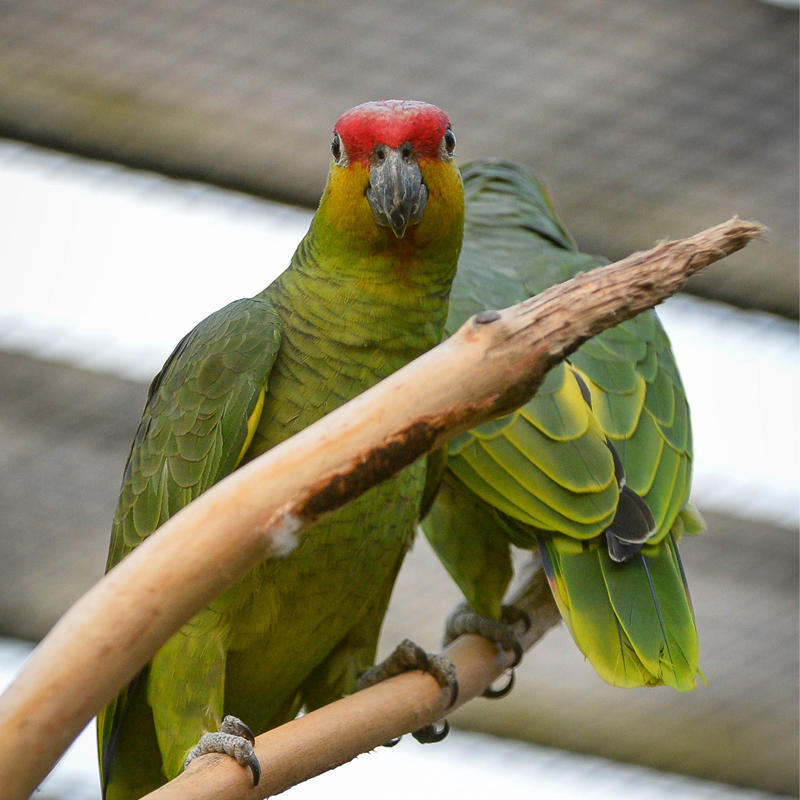
Facts about Ecuador Amazon parrots
Threats facing Ecuador Amazon parrots
We’ve helped classify the Ecuadorian Amazon parrot as a full species. We’re working to protect them both in the wild and at the zoo and we’ll continue working to protect them.
We send expeditions every few years to survey and monitor their habitats and populations supported by Ecuadorian forest protection NGO Fundación Pro-Bosque.
Together we’re helping local people understand the importance of protecting these parrots by not keeping them as pets. With their help we’ll continue studying these species in the wild and at the zoo.

Human intervention