National Conservation Zoo

Opening times today: 10am - 5:30pm (Last entry at 4:30pm)

News

About

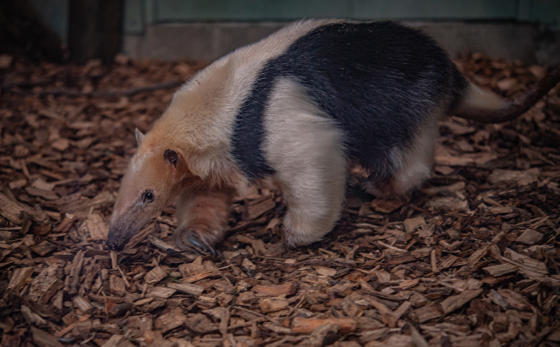
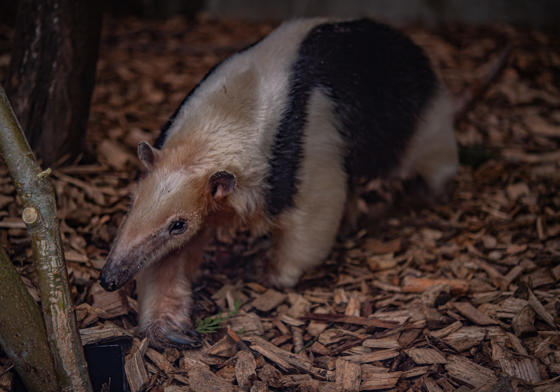
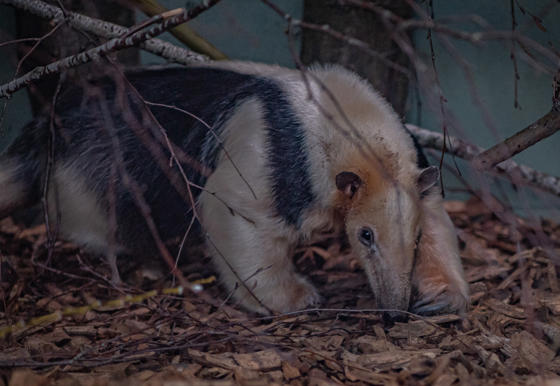
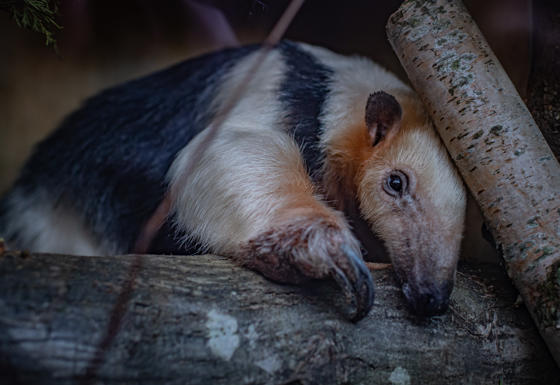
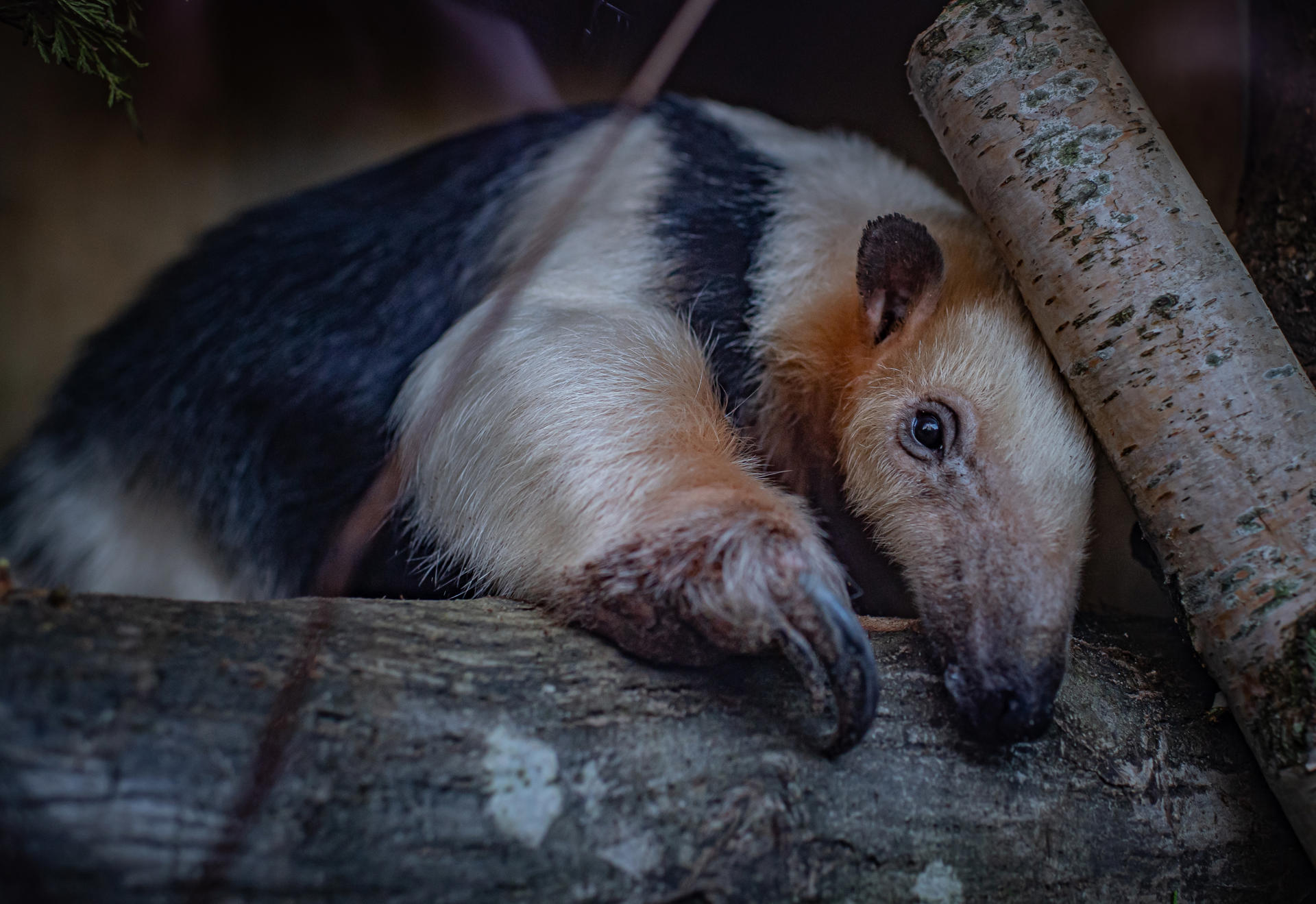
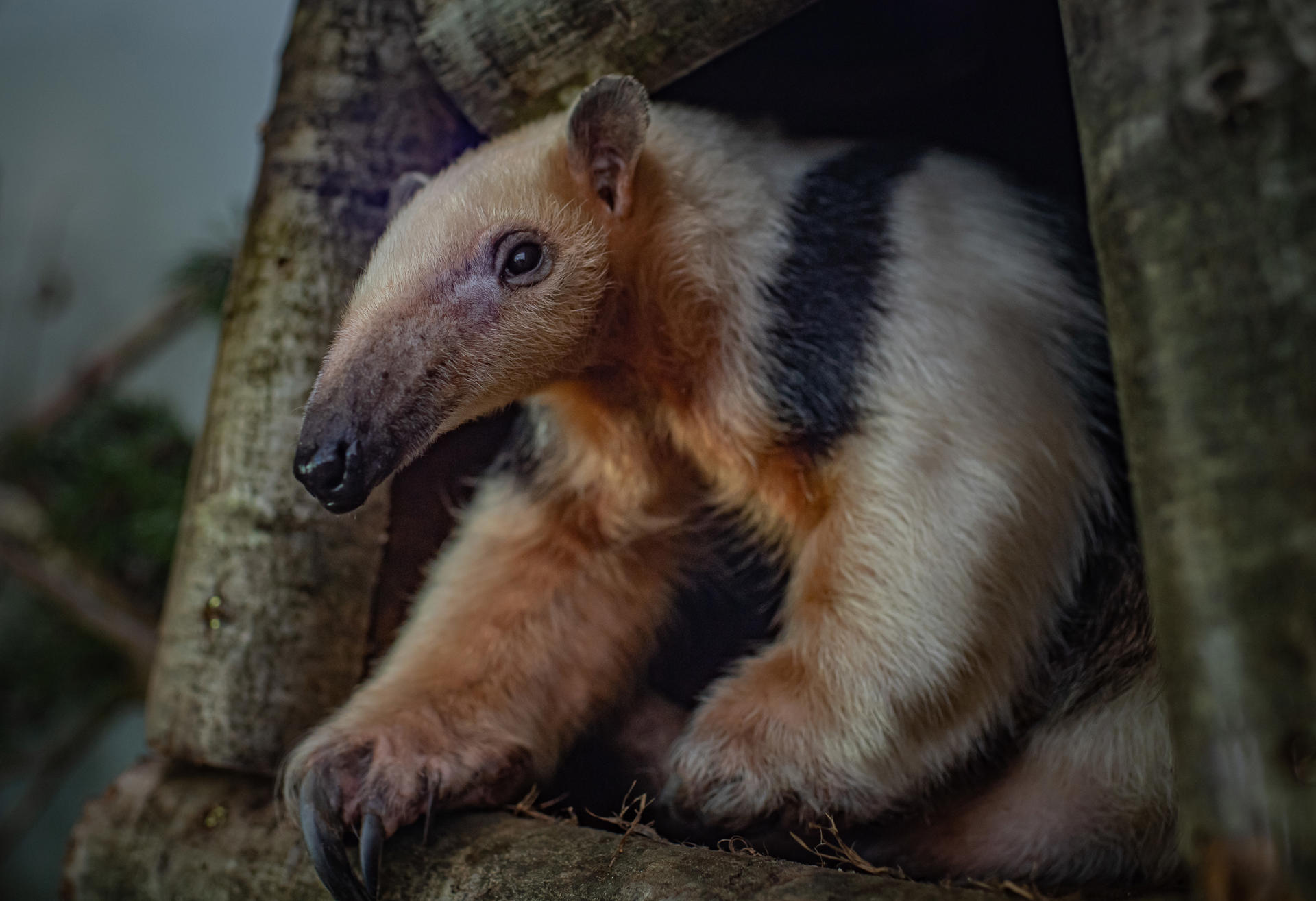
Southern tamandua is a species of anteater from South America and the Caribbean island of Trinidad.

Also known as the 'collared anteater' and 'lesser anteater,' it's no surprise that these animals survive almost entirely on a diet of ants, termites and other small insects.
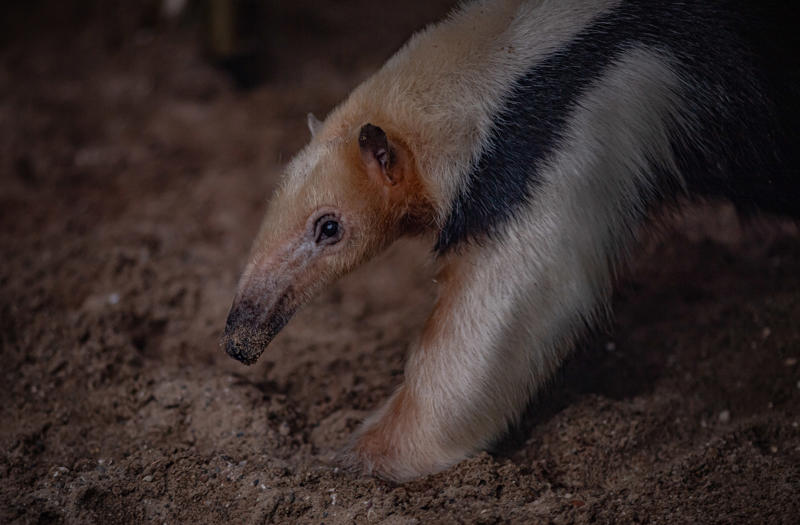
Tamandua 1

Southern tamandua facts

SPECIES
I am a mammal

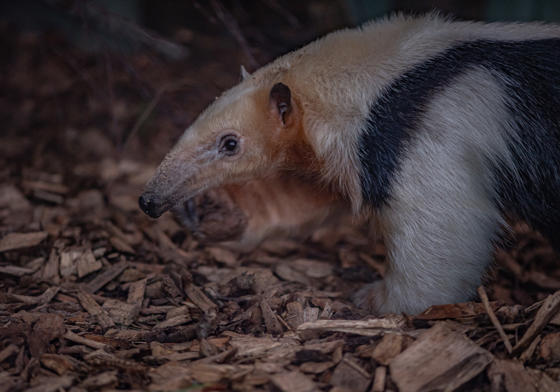
Made of thick keratin, their sharp claws are useful for climbing trees, tearing open insect nests and attacking predators.

FOUND IN
Tropical South America, Trinidad

This species lives across tropical forests, savannahs and shrublands in Central and South America, including parts of Brazil, Bolivia, Paraguay and northern Argentina.

HABITAT
Tropical forests, savannahs and shrublands

Southern tamanduas rely on trees and dense vegetation to find food and shelter. These environments help them climb, forage for ants and termites, and stay hidden from predators.

DIET
Insectivore

Southern tamandua mainly eat ants and termites. Their tongue is covered in tiny backward-facing spikes and sticky saliva, perfect for catching food.

BEHAVIOUR
Primarily nocturnal

Southern tamandua are mostly active at night, although they may also forage during dawn and dusk.

AVERAGE SIZE
1 – 1.3m long including tail

Their tail is longer than their whole body, which helps them look large when scared. They'll stand up on their back legs.

LIFE SPAN
9-10 years

Up to 20 years in human care.

ZOO LOCATION
Yellow zone

You'll find tamandua in the yellow zone on our map.

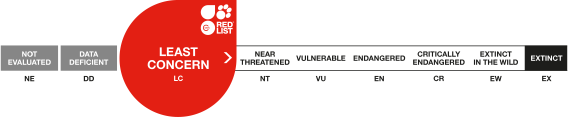
IUCN red list statusLeast Concern
Animal vulnerability index

Threats

Although southern tamanduas are not currently at risk of extinction, they still face threats from habitat loss and fragmentation due to human activity. Continued conservation of their forest and savannah habitats is important to help maintain healthy wild populations.

Threat Hunting
Hunting and illegal wildlife trade
Threat Energy Production
Habitat loss