Cockatoos in Crisis
Philippine cockatoos are vocal, sociable and adaptable birds, but despite this, they are under serious threat. We’re backing conservationists in the Philippines to help conserve this and other species.
A megadiverse region
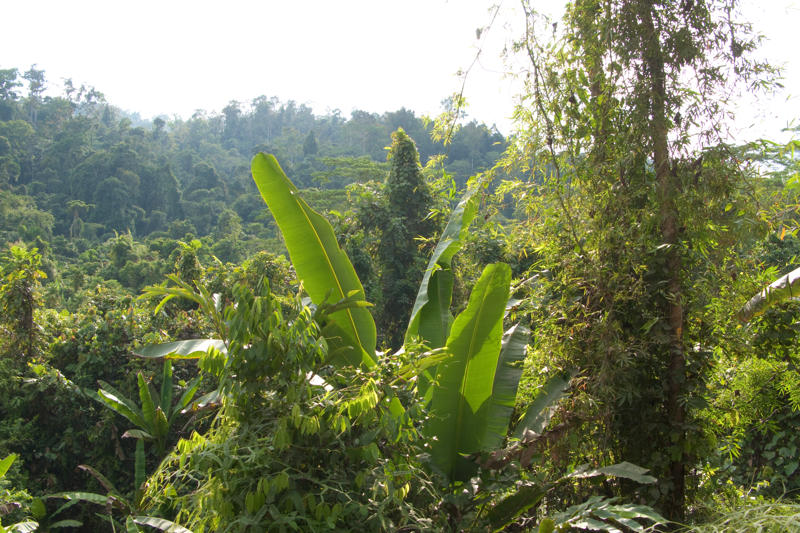
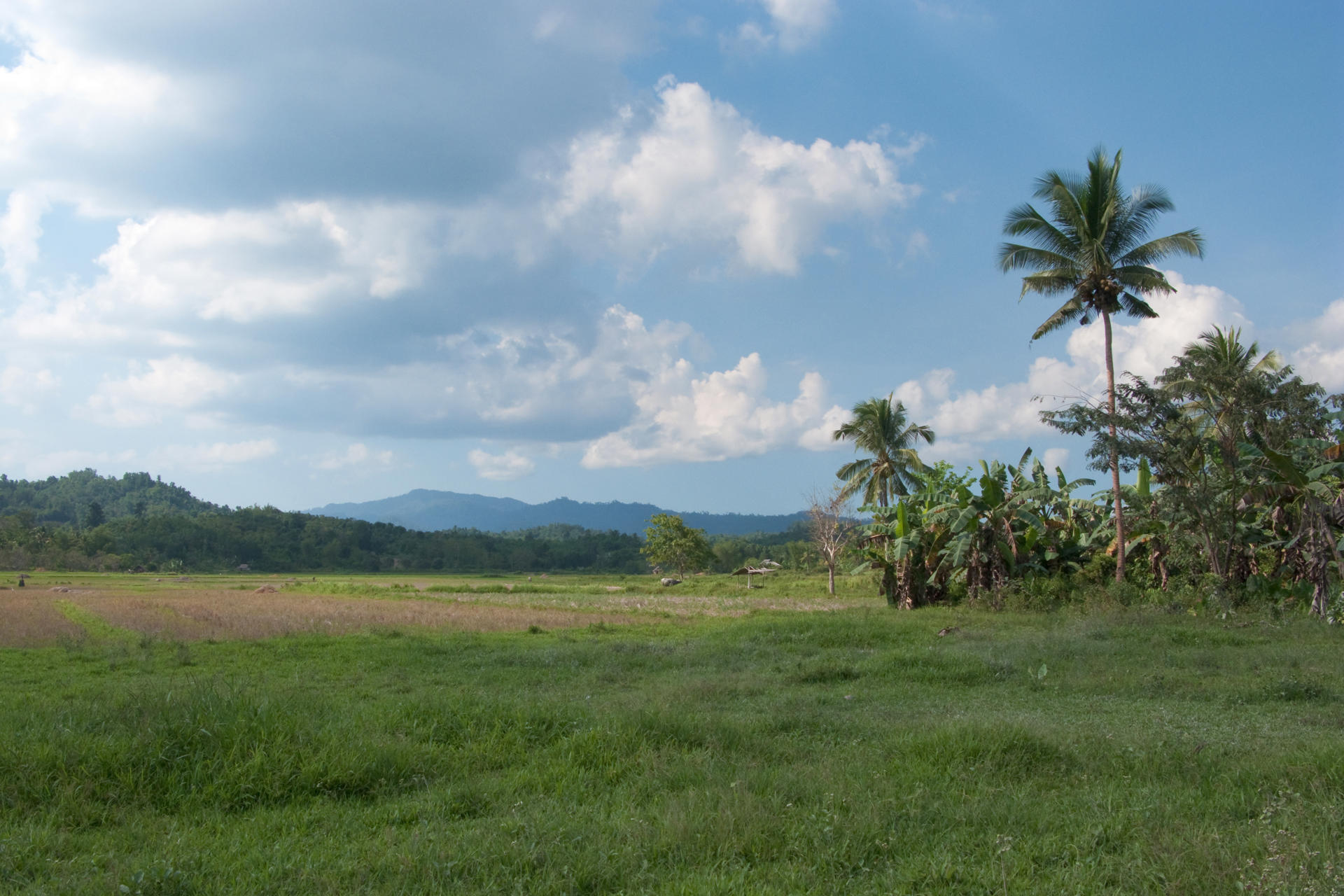
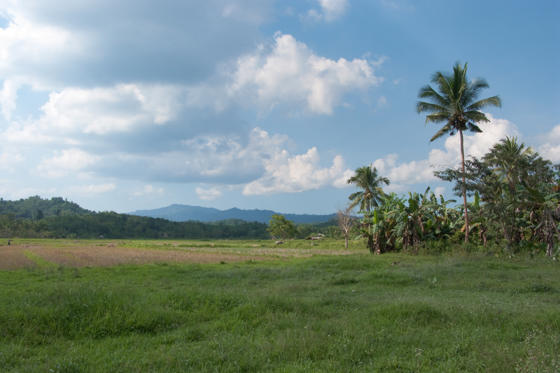
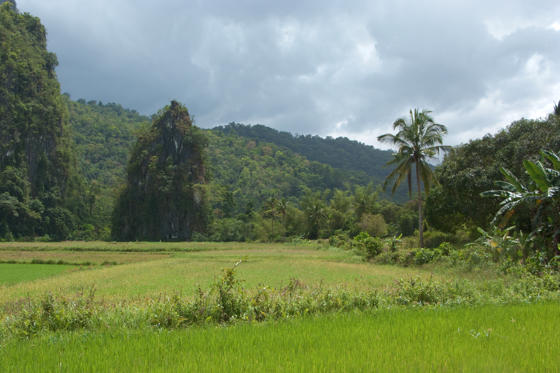
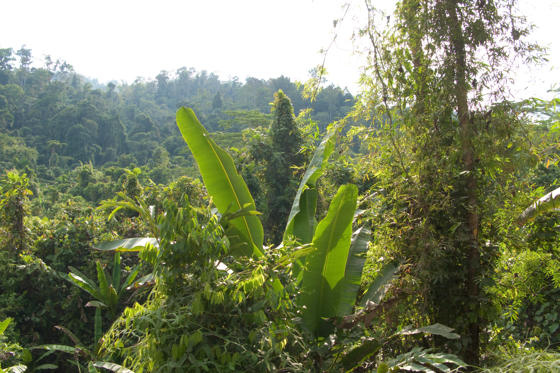
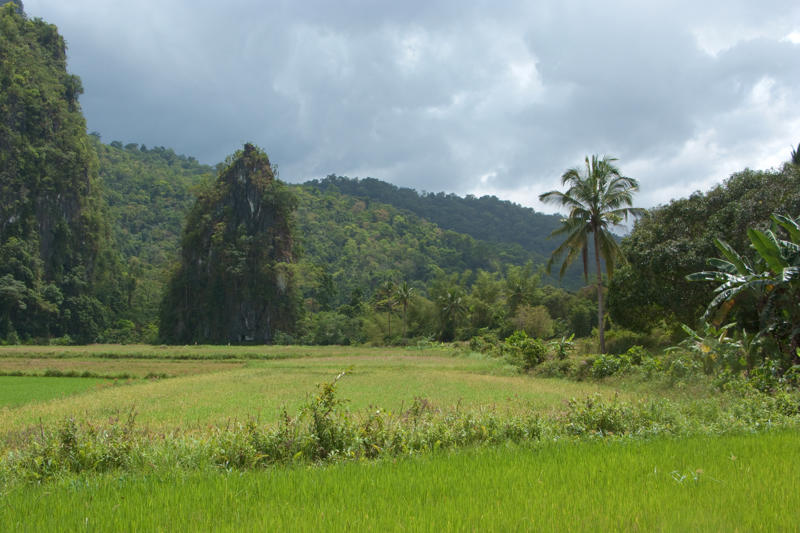
The mix of flora and fauna of the Philippines, a geographically complex chain of islands in the Western Pacific Ocean, is rich and varied. Many of the species are highly endemic – occurring nowhere else in the world – and are under researched. The Philippines is recognised as a megadiverse region and is a hotspot for animal ‘discoveries’, with numerous species still being recorded by science for the first time.
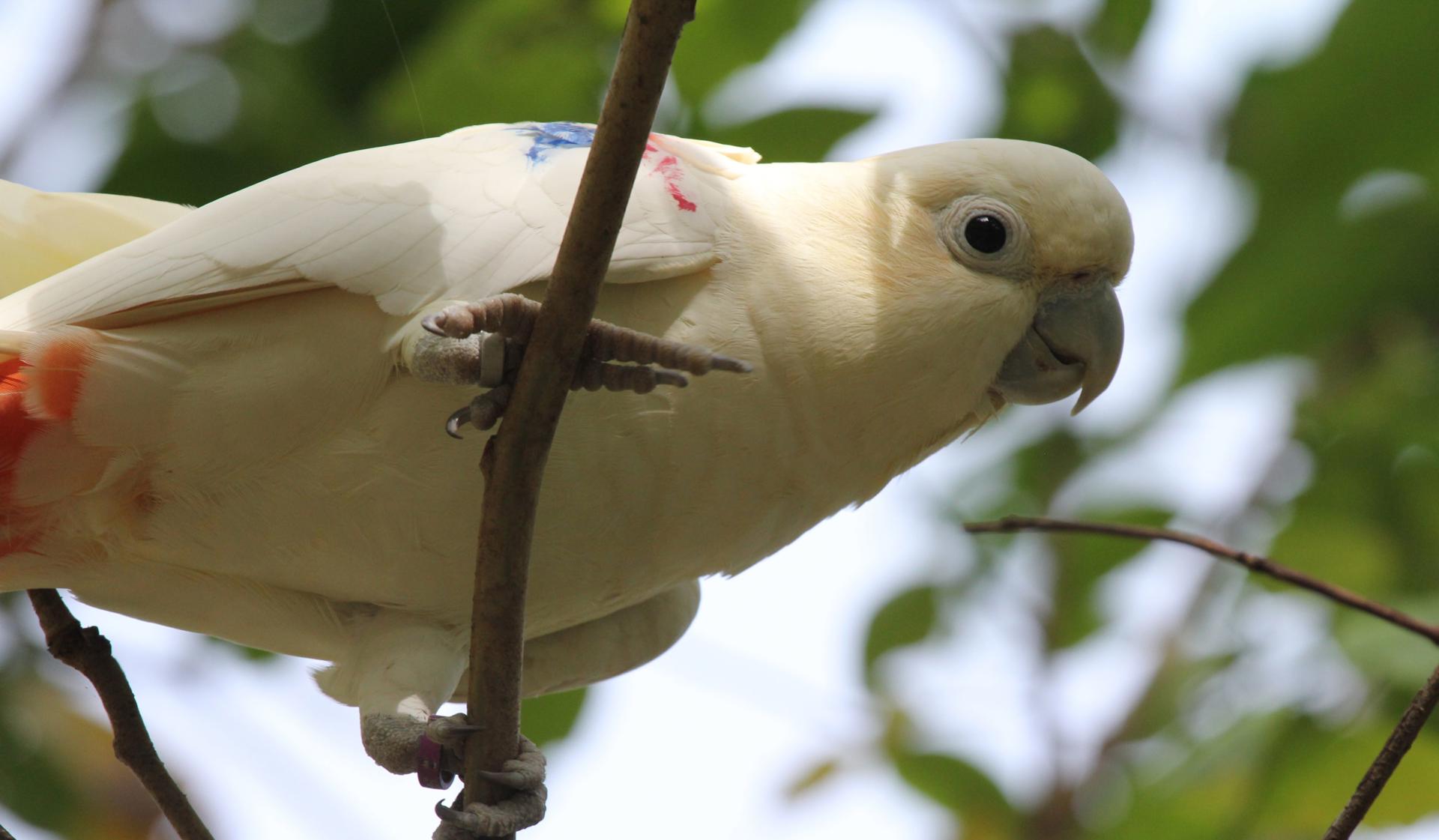
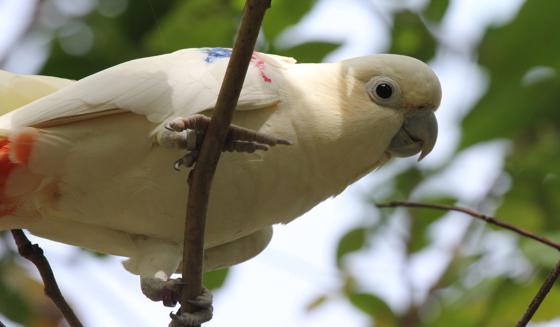
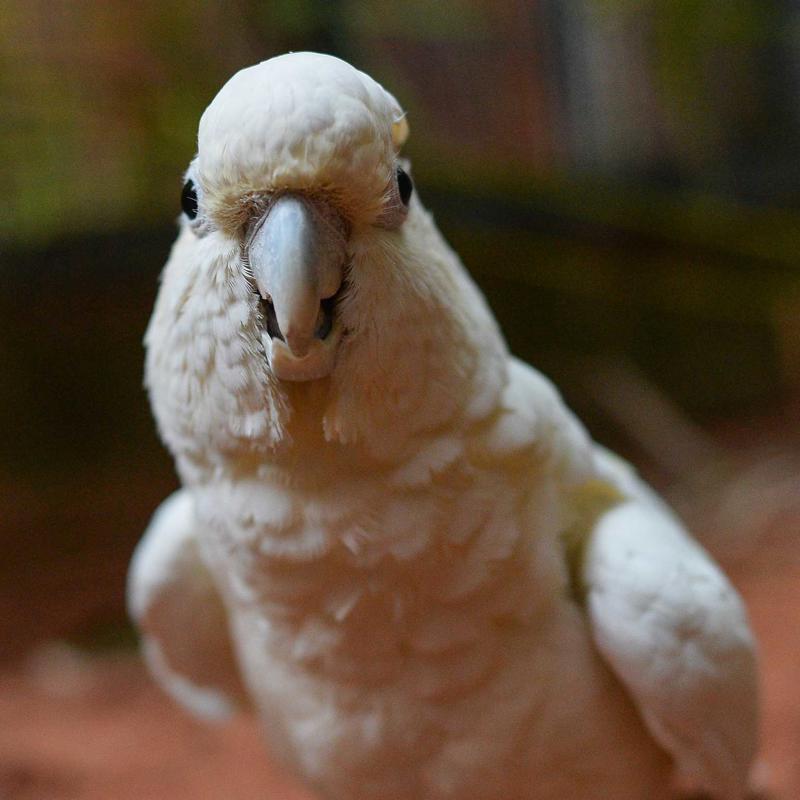
The Philippine cockatoo is among the more than seven hundred bird species living in this region. Philippine cockatoos are loyal and intelligent birds which form lifelong pair bonds and share chick-raising duties. They lay only one to three eggs a year, and both the male and female take turns incubating the eggs and protecting the chicks.
With its striking white feathers, the Philippine cockatoo, known locally as the katala, is a worthy flagship animal for the foundation that takes its name. Since the early 2000s, we have supported the Katala Foundation NGO’s work to research and protect Philippine cockatoos, and more recently the Palawan Turtle and Philippine Pangolin.
Poaching, persecution and climate change
The Philippine cockatoo is currently Critically Endangered according to the International Union for Conservation of Nature (IUCN) Red List. Its population crashed in the late 20th century following years of habitat loss, poaching for the wildlife trade and persecution from people who saw the bird as an agricultural pest.
Climate disasters have contributed to their decline. In 2021, a mega-typhoon devastated the region, depressing the population’s numbers despite recovery efforts.
However, there is hope. The Katala Foundation is working to boost the density and range of the species and have the Philippine cockatoo’s conservation status downlisted by providing safer nesting areas and monitoring for poaching and predation.
The overall goal of the programme is the protection of remaining and establishment of new cockatoo populations through warden schemes, as well as habitat protection and rehabilitation.
A symbol of local pride
We provide funding and technical and advisory support to their projects, which include setting up safer nesting areas and monitoring for poaching and predation. By protecting Philippine cockatoo habitats, the project also benefits other wildlife within the multi-island Palawan region. We have also financially and technically supported the Katala Foundation’s turtle conservation work. Alongside other partners, we supported the successful breeding and release of Critically Endangered Palawan Forest Turtles, boosting the wild-born population.
We’re proud to say that our partners have achieved several major conservation wins. In 2025, they confirmed Philippine cockatoos have returned to nest in the mangroves of the Narra area for the first time in 30 years.
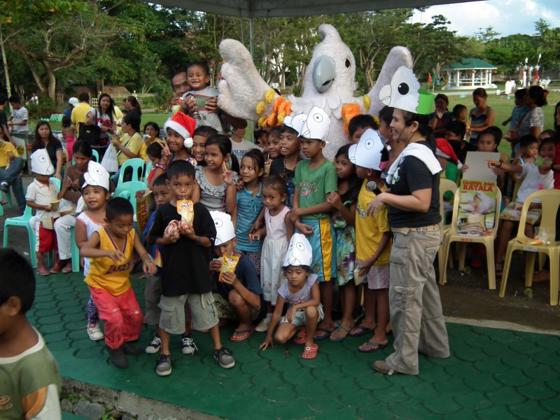
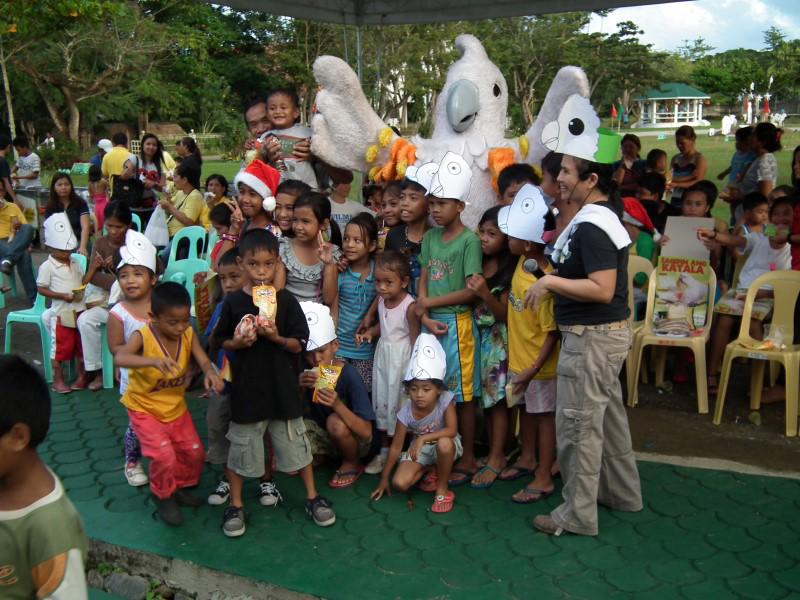
The project has successfully boosted the local reputation of Philippine cockatoos. The residents of Narra formally adopted the species as a symbol of local pride, and in 2006, communities began holding annual festivals in their honour. Local people also plant cockatoo-friendly foods and contribute to replanting forests and mangrove habitats.
Taking wing
Former poachers have been successfully recruited as wildlife wardens for nest protection and monitoring, which removes poaching as a major threat factor while providing a wealth of traditional knowledge for the protection of the species.
Inmates at a prison farm around a protected have been involved in conservation work such as nest monitoring.
We will continue to offer financial support and scientific expertise to the Katala Foundation as they push for strengthened legal protection for the ecologically sensitive areas they care for, continue to carry out patrols of key cockatoo habitats and build on their existing practice in cockatoo husbandry, both for rescued cockatoos and hand-reared chicks.
(Palawan landscape photos by Vyacheslav Argenberg, released via Creative Commons Licence 4.0)