Collaborating on cutting-edge animal care
Advancing the use of novel treatment and diagnostic options to improve disease outcomes ex situ
Animals in the wild and in human care contend with a variety of illnesses. They may develop age-related conditions, acquire injuries or experience exposure to pathogens over the course of their lives.
Our Animal Health Centre team draw on a wealth of practical and theoretical experience, collaborating with keepers and scientists, to deliver a very high standard of animal care.
The cases they oversee can vary widely in nature due to the diverse physiologies of their animal patients, and in how each species responds to illness and displays symptoms.
This has led to a series of scientific firsts, as our specialists have collaborated to devise novel treatment methods and plans for mammals, birds, reptiles, amphibians and invertebrates, many of which are rare and do not often appear in scientific animal care literature.
Collaboration with experts outside the zoo has been key in ensuring successful healthcare outcomes for key individuals.
Case study: a novel approach to sloth dentistry
The Problem:
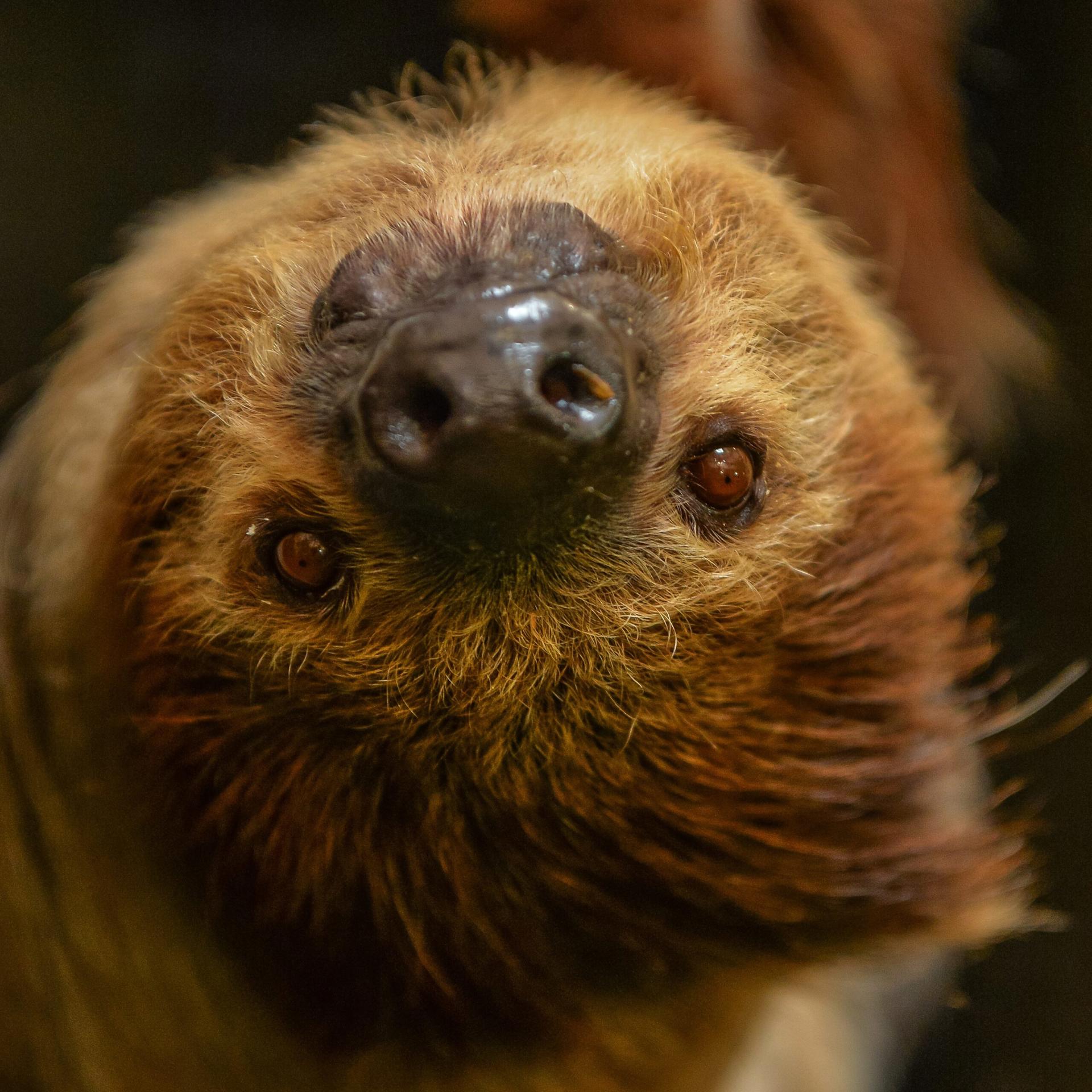
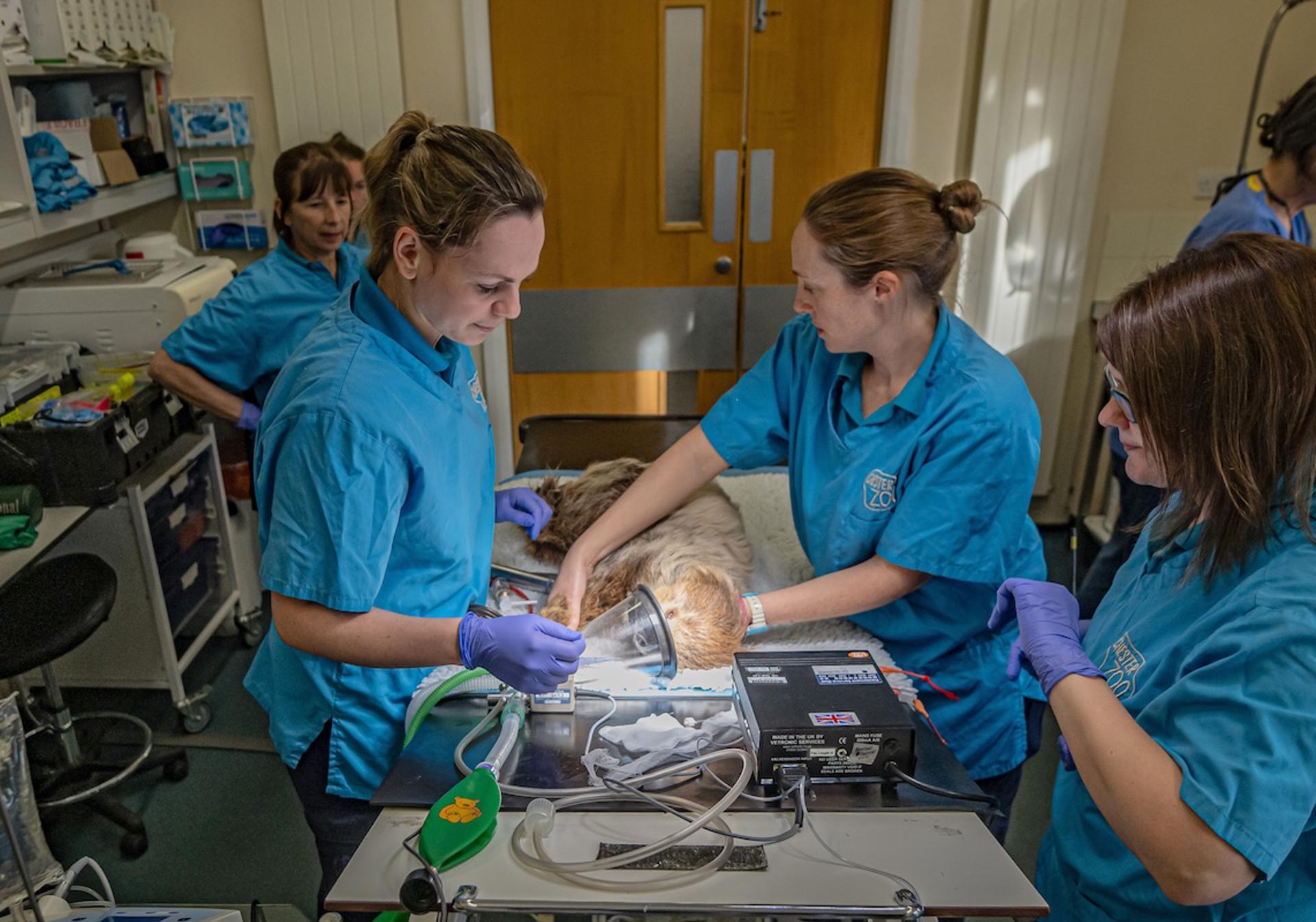
Rico, a 25-year-old male sloth, presented with a facial swelling. Observations from his keepers and zoo veterinarians established he had two root abscesses. Sloth teeth are unique. There was little to no literature on how to treat the affected caniniforms (highly specialised molars). The team was concerned the issue could affect Rico's eating patterns.
In addition, dental issues must be monitored through repeat check-ups, which is challenging with an undomesticated animal. It is not optimal to repeatedly anaesthetise a sloth for relatively brief procedures, so way had to be found to make Rico and his jaw accessible during health checks.
The Solution:
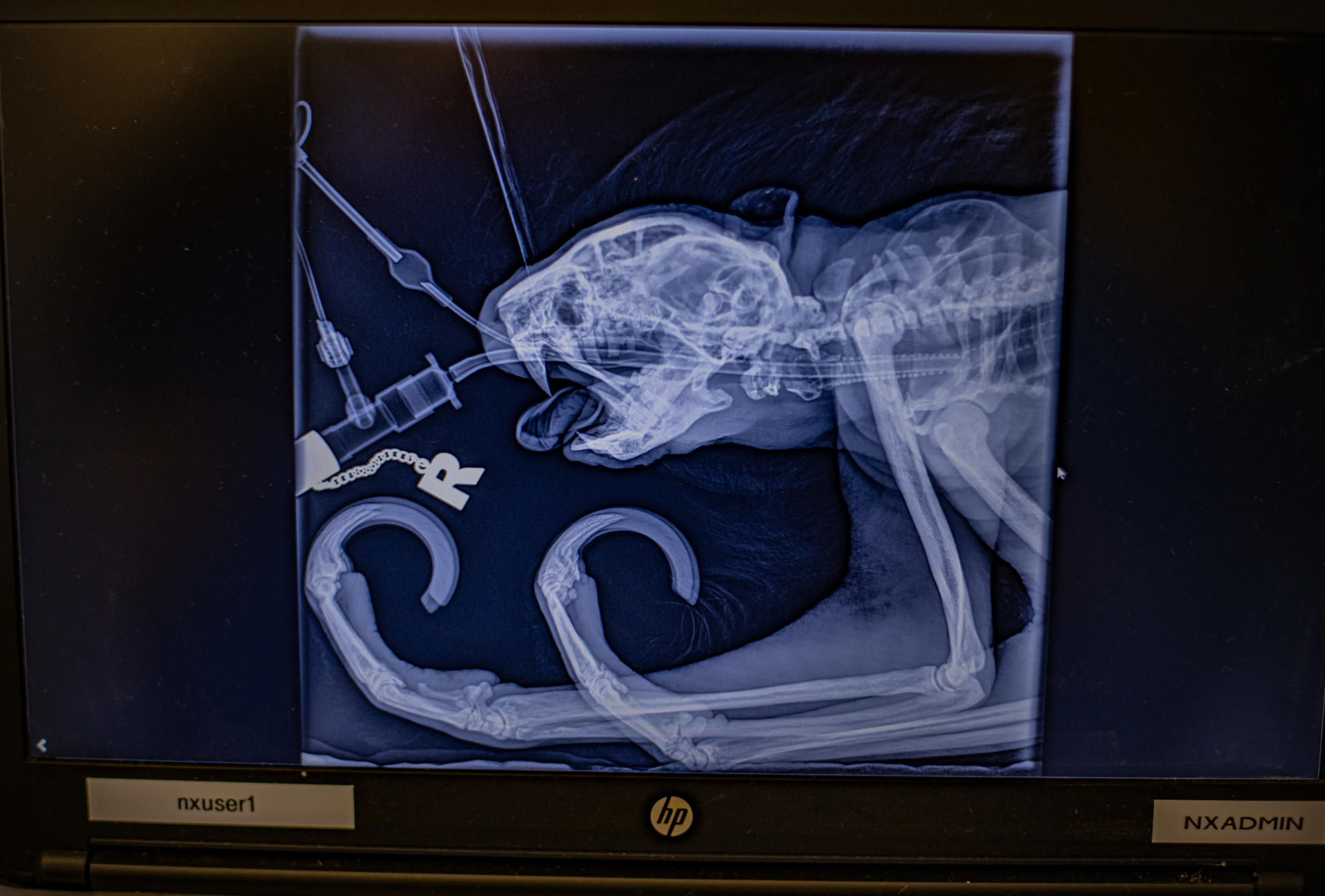
The Chester Zoo team called in experts from Newcastle University to carry out a specialised procedure. Traditional root canal methods would not work with a sloth's dental configuration. Instead, the dental team performed an apicectomy, accessing the tooth through the jawbone to remove the infected root tip and seal it. The operation was a success.
Furthermore, recall training led by the sloth keeper team allowed Rico to undergo regular check-ups, including conscious x-rays. Rico has learned to descend to an 'inspection' branch through a process of patient encouragement and rewards.
Alongside their practical experience, our veterinarian team is contributing to the scientific understanding of animal biology and the treatment of a wide range of species through publications and grey literature.
They also share their knowledge with the zoo, science and veterinary communities, when the opportunity arises, and have given presentations on various novel cases and treatments.
Members of the team have contributed to recent literature, such as:
- Amyloidosis in captive European eastern bongo, an exploration of the predictors of protein build-up within members of this Critically Endangered species
- Hepatic iron assessment using pinch liver biopsies in Asian glossy starlings, which evaluated the effectiveness of this biopsy method in passarines
- Histopathologic findings in 10 cases of mortality in Malaysian fire snails, which presents the findings of a series of snail necrospsies and makes recommendations for further study
- Hematological and biochemical parameters as prognostic indicators for successful rehabilitation in confiscated Temminck's pangolins, which outlines scientifically-informed monitoring methods that may be useful to improving survival chances for members of the species recovered from the illegal wildlife trade