Guiding the way for Bornean elephants
Across the landscape of Sabah, Malaysian Borneo, one of the world's most genetically distinct elephant populations faces an uncertain future.
Habitat fragmentation, increasing development and growing pressures on shared landscapes means that people and elephants are coming into contact more than ever before.
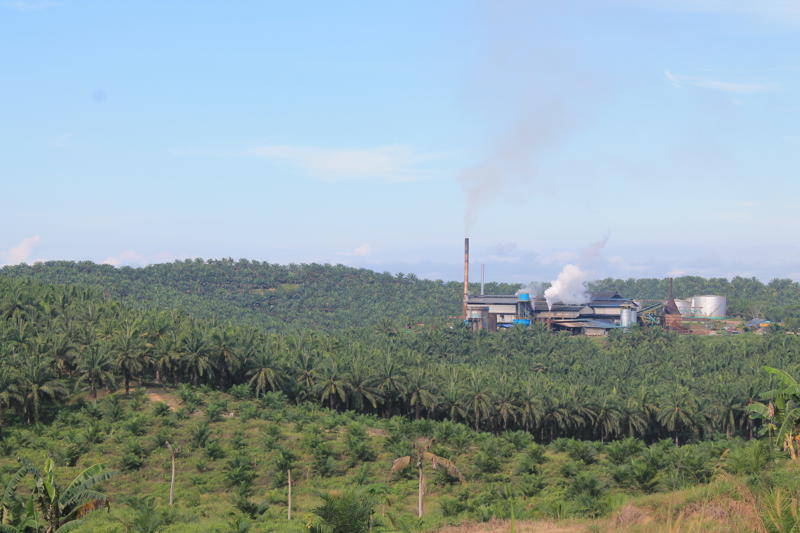
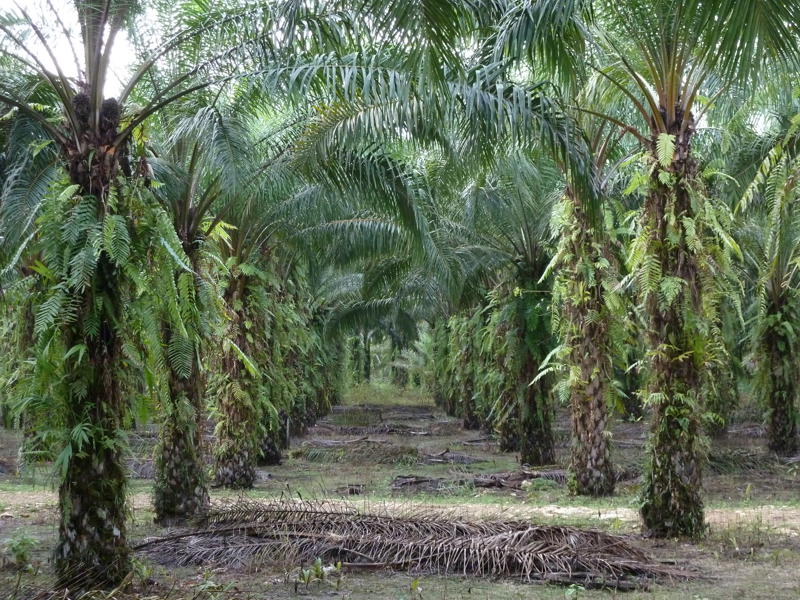
At the heart of efforts to address these challenges are Dr Nurzhafarina Othman, whose work with Bornean elephants spans more than two decades, and Dr Jacqueline Morrison, Senior Conservation Scientist at Chester Zoo. Together, they're developing a new approach to human-wildlife coexistence by creating elephant exit pathways through the Lower Kinabatangan region, which is surrounded by vast areas given over to palm oil cultivation.
The goal is simple but ambitious: help elephants move safely through a fragmented landscape while reducing conflict between wildlife and local communities. We spoke with both conservationists about the project and how finding ways for people and elephants to thrive has never been more important.
The challenge: sharing a landscape
The Lower Kinabatangan region is a key habitat for Bornean elephants, but it is also one of the most heavily transformed. Around 80% of the landscape has been converted for agriculture, meaning elephants, communities and businesses increasingly share the same space.
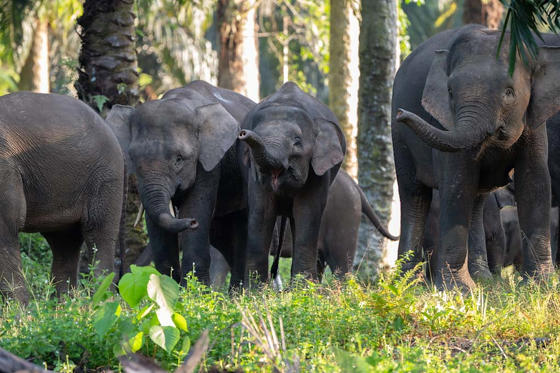
Elephants are wide-ranging animals that need to be able to travel vast distances for food, shelter and breeding. At the same time, people need land for homes, livelihoods and to grow food. When these needs overlap, conflict can occur.
For local communities and businesses, encounters with elephants can result in losing homes, damaged crops and lost income. For elephants, the risks include habitat fragmentation, injuries caused by mitigation measures such as trenches, and increasing pressure from roads, railways and other infrastructure developments.
Farina believes these challenges can only be addressed by considering both people and wildlife. "Conservation isn't only about understanding elephants. It's also about understanding people," she explains. "Different communities have different experiences with elephants. That's what makes conservation so complicated."
"The industry isn't going to disappear... Many of these people want to do more for wildlife. They just don't know where to start. We need to help improve what already exists."
Dr Nurzhafarina Othman
A key part of the project also involves working alongside oil palm plantations, supporting the farmers to identify and preserve the least damaging routes that allows elephants to move safely through the landscape. As Farina tells us, "Right now elephants can be pushed from one plantation to another, which confuses and provokes them." This results in a greater chance of injuries and crop and property damage occurring. In some cases, trenches are dug around the plantations to stop elephants getting in. An elephant can fall into a trench, injure itself and, in severe cases, succumb to its injuries.
Rather than seeing the industry as a problem, Farina believes meaningful change comes through collaboration. "The industry isn't going to disappear" she says. "Many of these people want to do more for wildlife. They just don't know where to start. We need to help improve what already exists."
At Chester Zoo, we recognise that agriculture is essential for supporting livelihoods and feeding a growing global population. That's why we advocate for sustainable agriculture, helping ensure food and crops are produced with as little impact on wildlife and the environment as possible. For over 15 years we’ve been working in partnership with conservation non-governmental organization based in Kinabatangan, Hutan. We’ve been supporting their work in maintaining, linking and the reforestation of habitats, and biodiversity surveys, as well as helping the people who rely on the landscape and encouraging more sustainable practices in palm oil production.
What makes Bornean elephants unique
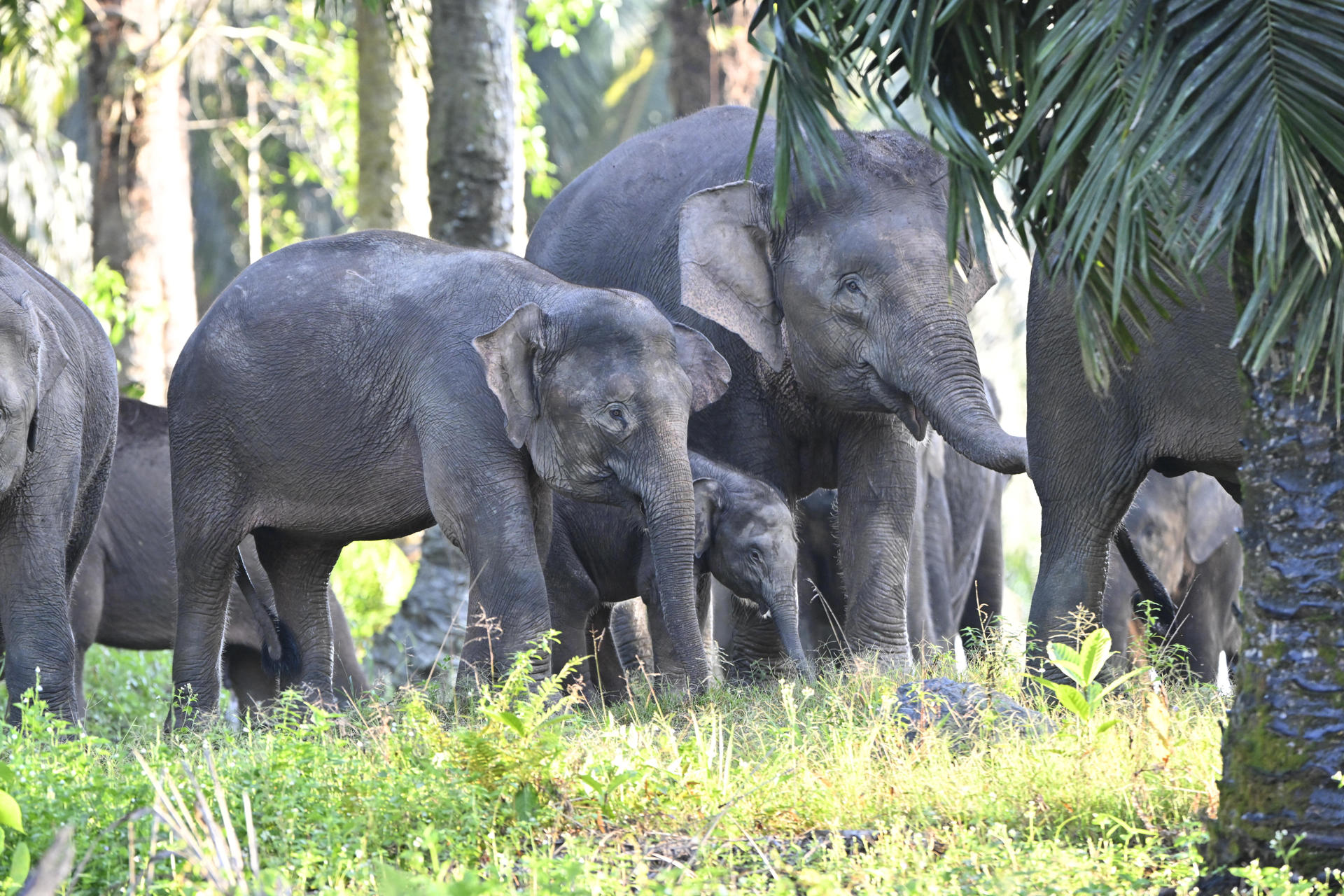
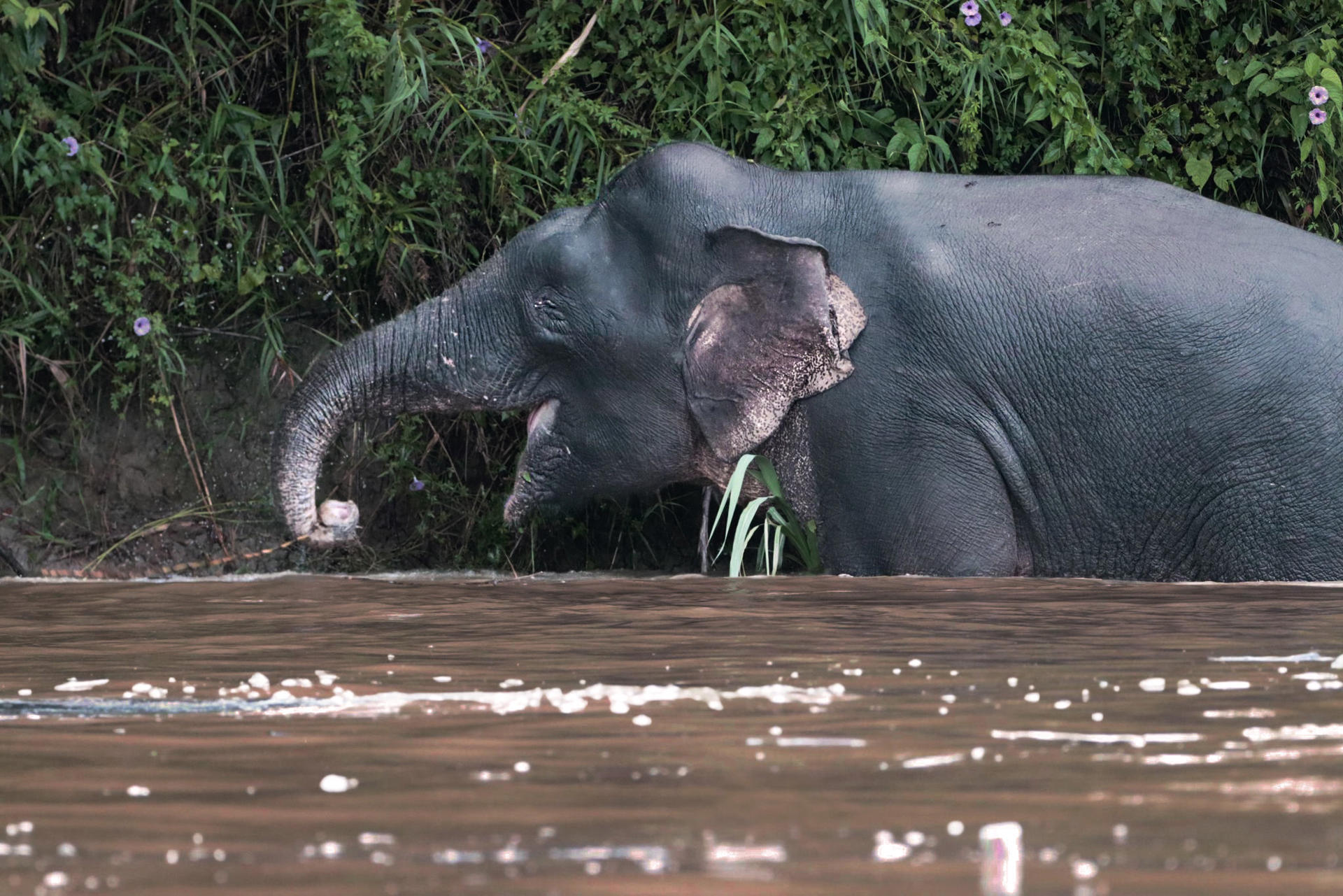
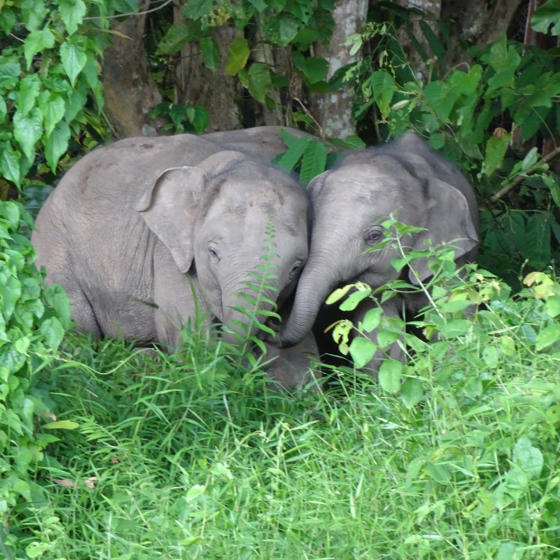
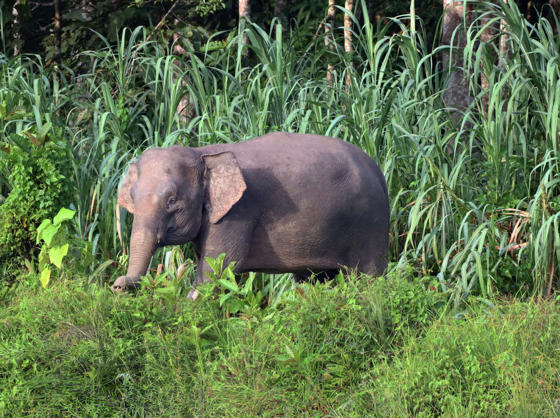
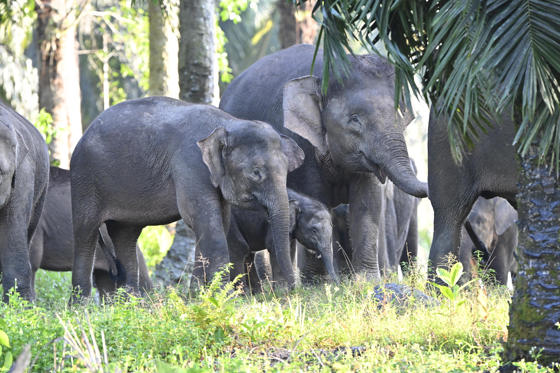
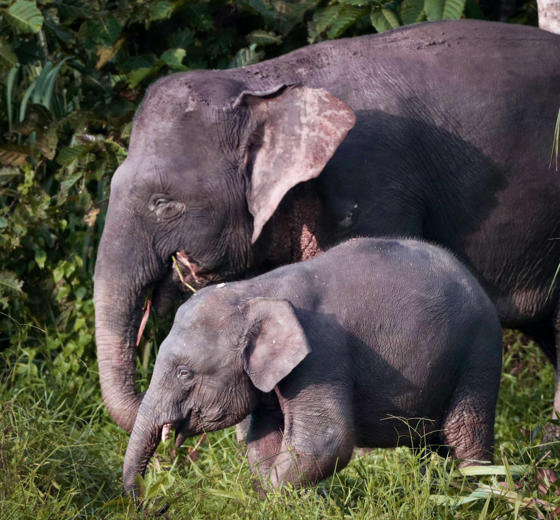
Bornean elephants are genetically distinct from other Asian elephant populations and are found nowhere else in the world. If driven to extinction, their loss would be irreversible.
"If we lose them, then we lose an entire subspecies of Asian elephant," says Farina. They also play a vital role in maintaining healthy ecosystems. "Bornean elephants are a keystone species," explains Jacqui. "They're ecosystem engineers. As they move through forests, they disperse seeds, create pathways and clearings, and help many other species thrive."
Farina says one of the things she loves most about these elephants is their individuality. "People often think an elephant is just an elephant," she says. "But they all have different personalities. Some are adventurous, some are curious and some are shy. They make decisions and adapt to survive."
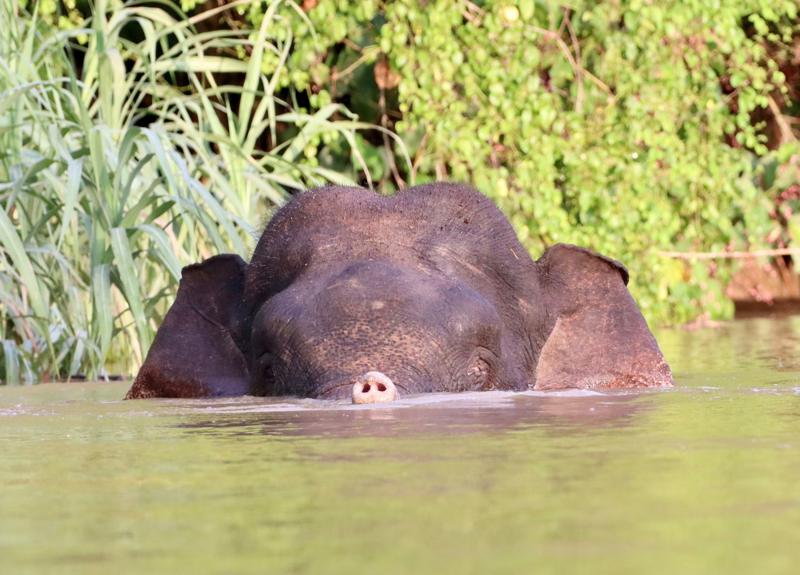
"Bornean elephants are a keystone species... ecosystem engineers... and help many other species thrive."
Dr Jacqueline Morrison
Creating pathways for coexistence
The exit pathway project aims to help elephants move more efficiently through agricultural landscapes, reducing the time they spend in plantations and lowering the risk of damaged crops and conflict.
Using information gathered from local communities and plantation managers, Jacqui is helping identify the most suitable routes through the plantations. "What we're trying to do is understand how elephants move through the landscape and identify the most efficient pathways between important locations," she explains.
Jacqui’s expertise in spatial analysis allows her to collect and study the raw data and use it to grid map these safe routes, as well as support the teams who will use these systems every day. Her work aligns directly with Chester Zoo’s commitment to improving landscapes for wildlife and supporting species recovery.
But the project is about much more than the pathways. Farina and her team are also working directly with communities, helping people understand elephant behaviour. "We want people to know what to do," she says. "Not to run or shout but understand how to respond confidently and safely.” For Jacqui, coexistence is ultimately about helping people and wildlife thrive together. "People have livelihoods and jobs, but elephants also need a future," she says. "It's finding ways to support both."
"People have livelihoods and jobs, but elephants also need a future... It's finding ways to support both."
Dr Jacqueline Morrison
Signs of progress
While the project is still in its pilot phase, Farina and Jacqui are already seeing encouraging signs. Perhaps most importantly, communities, conservation organisations and plantation managers are beginning to work closely together to find shared solutions.
For Farina, building these relationships is a significant achievement and an important foundation for long-term coexistence. One example of this comes from the language local communities use when talking about elephants. Historically, many people used the Bahasa Indonesia word Halau, meaning to ‘drive away’. Today, Farina increasingly hears another word: Iring, meaning to ‘guide’ elephants safely through an area.
"It might sound like a small thing, but it makes me so happy," she says. "When people start speaking about elephants more positively, it shows that acceptance is increasing bit by bit."
Communities are also beginning to take greater ownership of conservation efforts. In one area, residents have established a committee to work together on elephant mitigation measures, such as the maintenance of the fences, and support one another when elephants are nearby. "Before, people would say elephants belong to the government or conservation organisations," says Farina. "Now we're seeing communities’ step forward and help solve the problem themselves."
These early successes are helping to build the trust, cooperation and local ownership that will be essential as the project enters its next phase.
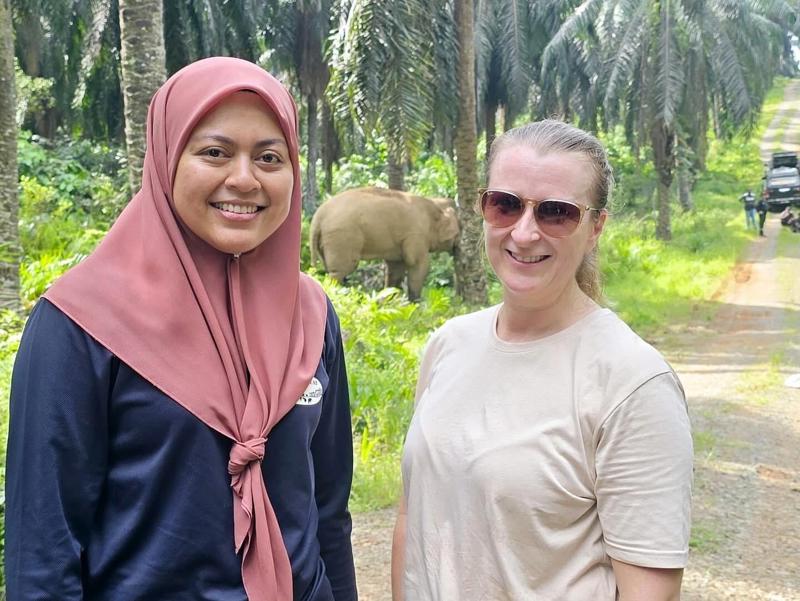
"The exit pathway is a symbol of unity."
Dr Nurzhafarina Othman
Looking to the future
Farina and Jacqui are now focused on getting the pathways implemented. In the next few months, Jacqui plans to visit Farina and her team to support with training in collecting the data and using the grid maps for the pathways.
But for Farina and Jacqui, success won't be measured by the number of elephants using an exit pathway. Instead, it will be measured by whether communities, conservationists and businesses can continue working together long after the project is underway. "For me, the exit pathway is a symbol of unity," says Farina. "Success is plantations talking to each other, agreeing on solutions and working together."
The team hopes that agreed pathways will provide a shared approach, helping communities and businesses respond more effectively when elephants move through the landscape. Jacqui shares the same vision. "The real success is building positive relationships between conservation organisations, local communities and commercial companies," she says. "It's about creating a process that people can continue long into the future."
While the project is currently focused on the Lower Kinabatangan region, both hope it could help create a future where people and wildlife coexist not only in Borneo, but in landscapes around the world facing similar challenges.
How you can support
Projects like this are only possible thanks to the support of Chester Zoo's members, visitors and partners – allowing conservationists, communities and wildlife find ways to thrive together.
Here are some of the ways you can show your support:
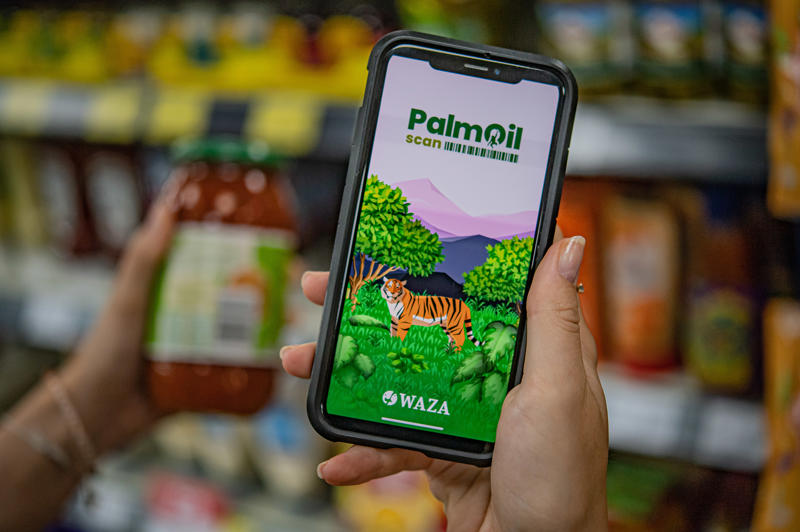
- Download the PalmOil Scan app
Check your favourite products and see how major manufacturers are sourcing their palm oil.
- Check products for certification labels
The Roundtable on Sustainable Palm Oil (RSPO) logo on packaging means the palm oil meets strict rules to protect forests and workers
- Every visit counts
By visiting the zoo, becoming a member, supporting our conservation work, you’re ensuring projects like this one can continue.