Winter wildlife at Chester Zoo
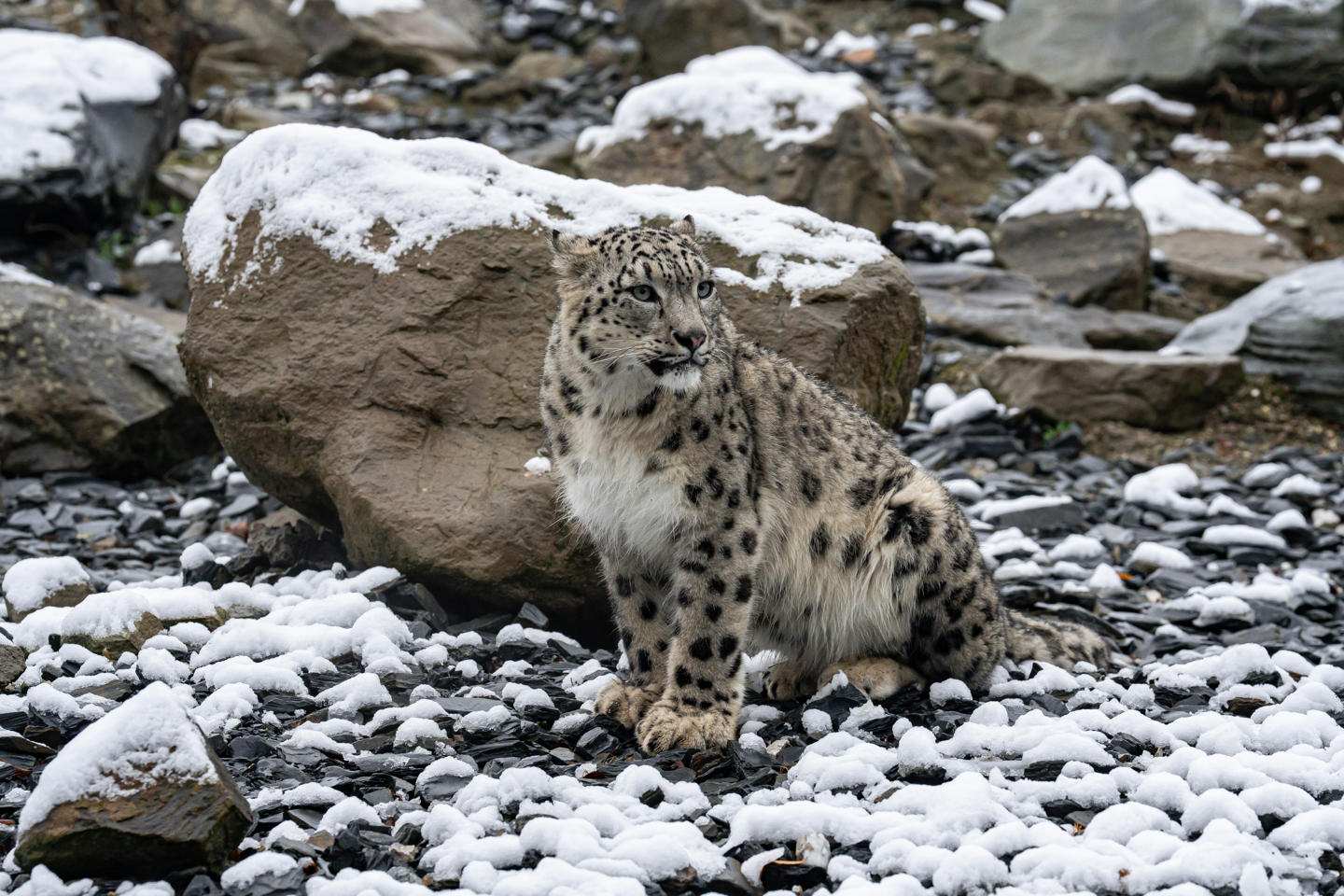
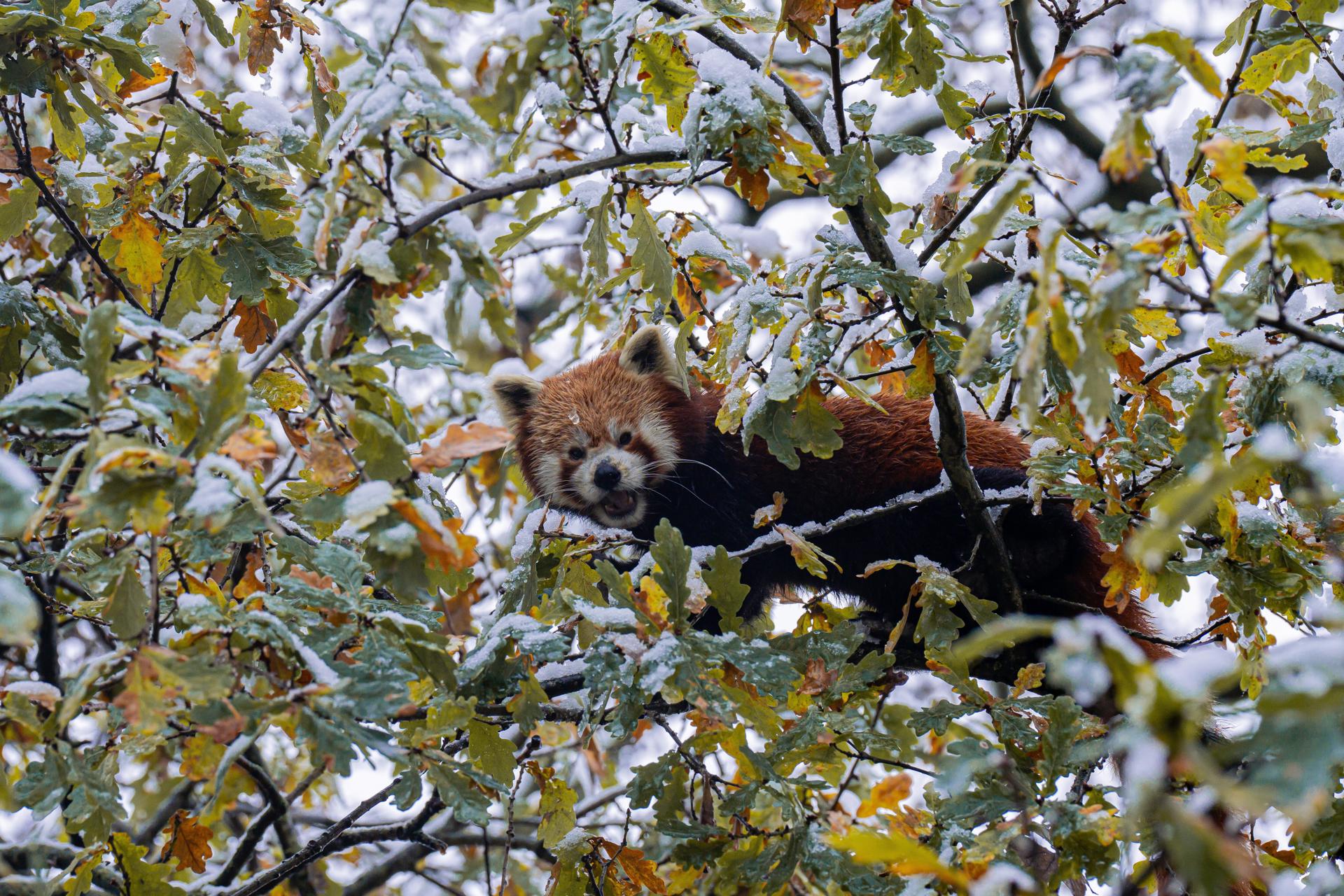
Some species are built for the cold - like snow leopards with fur up to 12cm thick, or red pandas who use their tails as blankets.
You'll often see them more active on frosty days than in the height of summer.
With quieter paths and fewer leaves on the trees, winter offers clearer views and better chances to observe natural behaviours across the zoo.
Here are just some of the species you’re likely to see on a winter visit.
Snow leopards
Watch for movement high on ledges or along the ridgelines of their habitat - winter weather doesn’t slow them down.
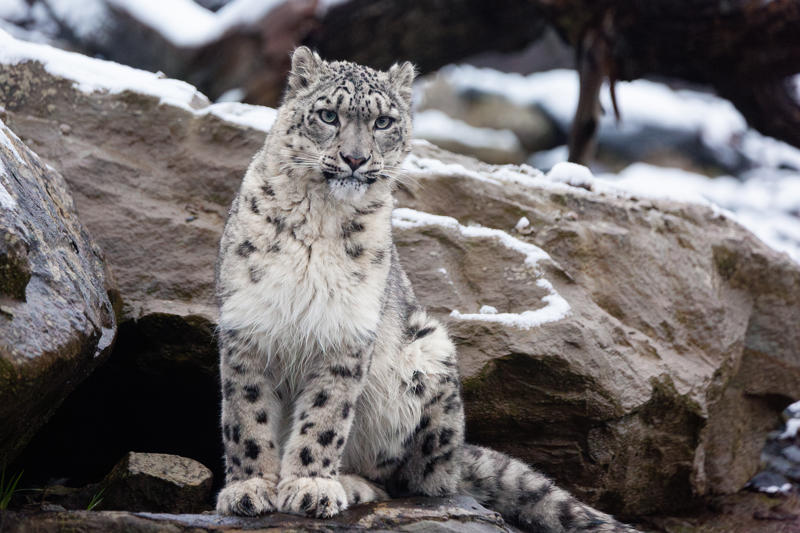
Built for extreme mountain weather, snow leopards have dense fur that traps body heat, wide paws that spread their weight like snowshoes, and long, fluffy tails for balance and warmth.
Even their breathing is adapted for high altitudes – enlarged nasal passages help warm the freezing air before it reaches their lungs.
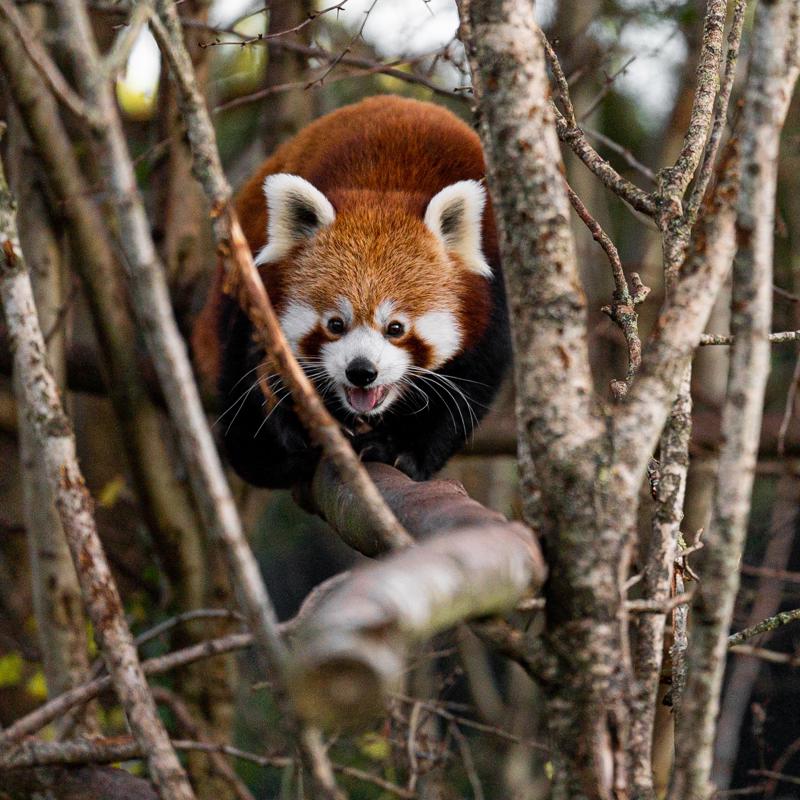
Red panda
Scan the tree canopy - early morning is a good time to see them patrolling their territory or curling up with that thick, bushy tail wrapped around them like a blanket.
In winter, with fewer leaves on the trees, they're also easier to spot.
Native to the eastern Himalayas, red pandas are most active when the air is cool and crisp, where their thick fur is designed for cold mountain climates.
Andean bear
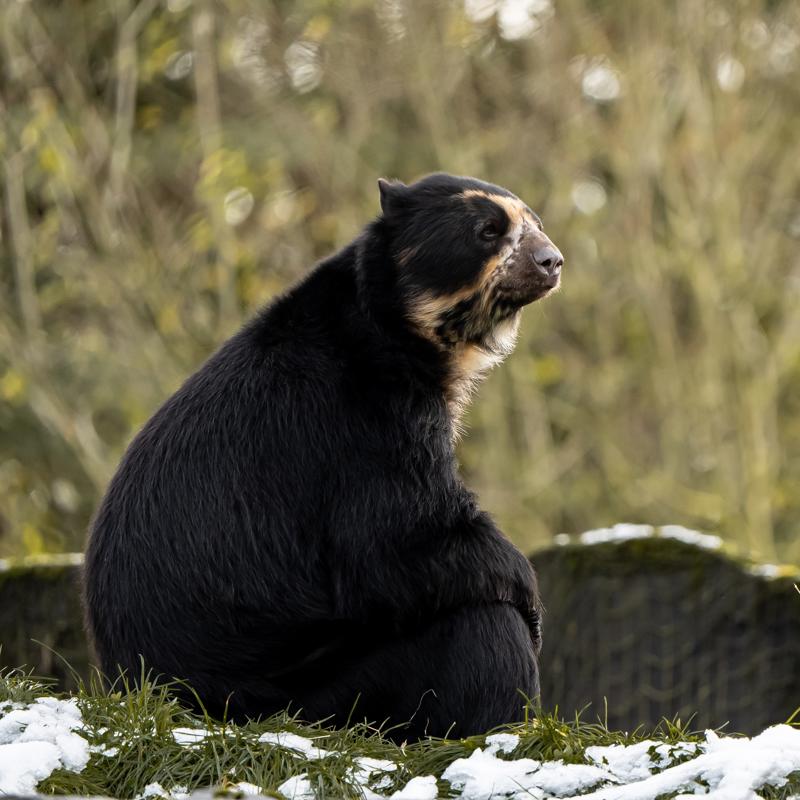
Frosty mornings often bring more activity. Look for climbing, foraging, or working through enrichment.
Andean bears are well suited to the cool, misty conditions of the Andes. With non-retractable claws for gripping trees and a dense coat for insulation, they’re adapted for elevations up to 4,750 metres.
Unlike some bears, they don’t hibernate - they stay active year-round.
Bush dogs
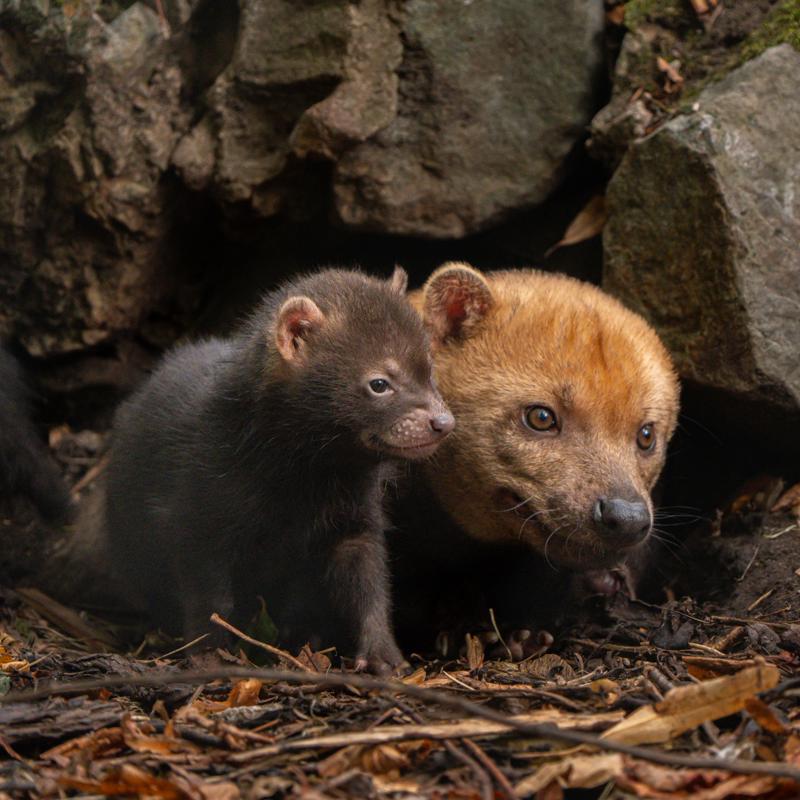
Winter’s quieter atmosphere makes it easier to hear their communication calls and spot their pack dynamics - especially now, with four new cubs exploring the habitat.
These small carnivores are surprisingly hardy. They’ve got dense, waterproof fur and partially webbed feet, making them well suited to colder, wetter conditions. Native to the forests and wetlands of Central and South America, bush dogs live and hunt in tightly bonded packs.
The cubs are already active, playful and full of curiosity - and this time of year gives you a better chance to see the whole pack.
Grevy's zebras
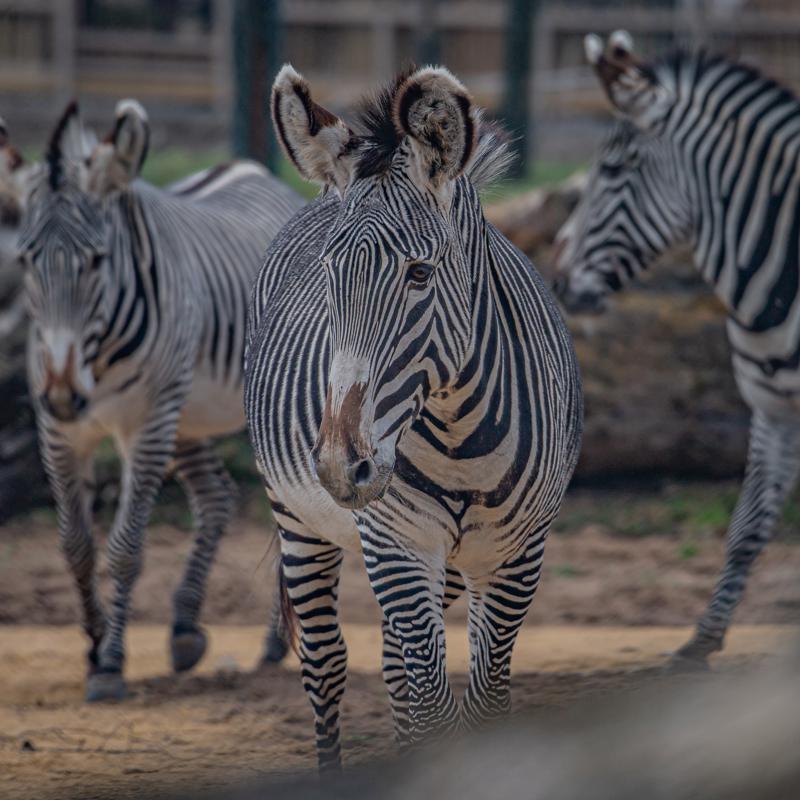
These are the largest of all wild equids, and they’re surprisingly well suited to colder conditions.
Grevy’s zebras are adapted for the semi-arid grasslands of Kenya and Ethiopia, where temperatures drop sharply at night. At the zoo, they stay outdoors throughout winter - grazing, socialising, and standing out brilliantly against frost-covered ground.
Their narrow black and white stripes offer striking contrast on cold, clear days.
Humboldt penguins
You can see them year-round at Chester Zoo, including throughout winter.
Humboldt penguins are native to the coastal regions of Peru and Chile, where they're adapted for temperate climates rather than extreme cold. Their dense, waterproof feathers and thick layer of insulating fat keep them warm in cool ocean currents.
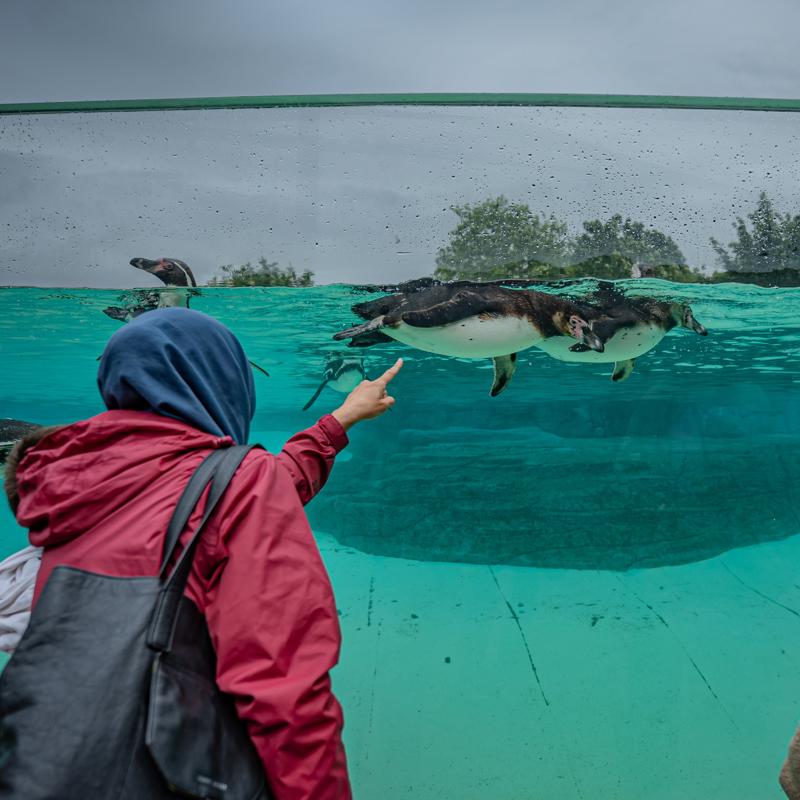
Watch them diving and swimming in their pool – the underwater viewing window gives you a close-up view of how they move through the water, using their wings like flippers to propel themselves at speed.
Caring for warmer-climate species
Lots of animals at the zoo are adapted to hot, dry environments – so we’ve got plenty of clever ways to keep them comfortable when the temperature drops.
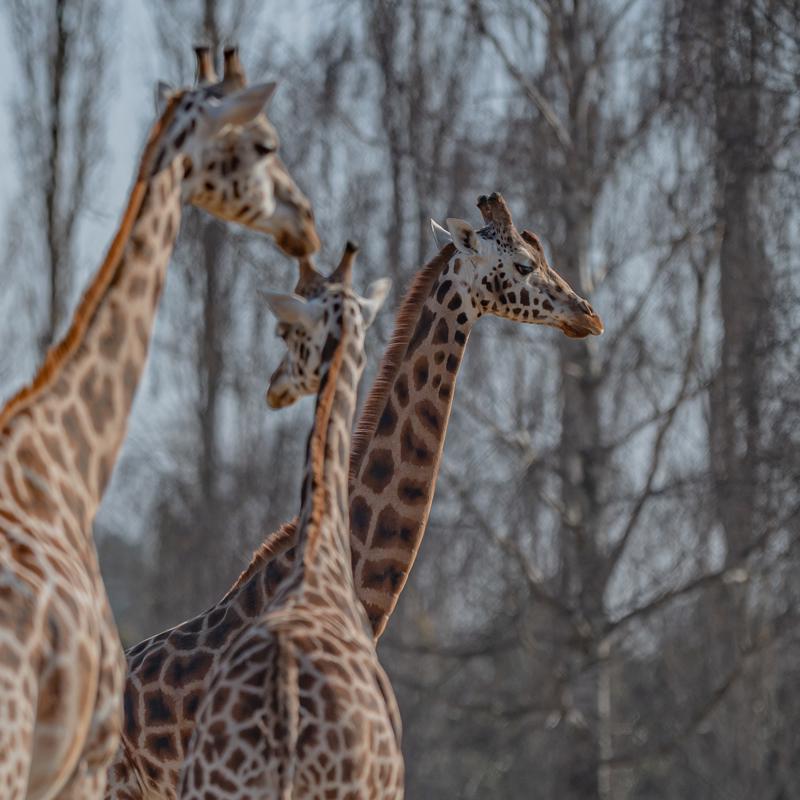
Species like Northern giraffes and Asian elephants have access to warm indoor habitats that stay open to visitors, so you can still see them up close on colder days.
Our meerkat habitat is built with sand, rocks and natural light from skylights to reflect their arid environment – and includes heat lamps to keep them warm in winter.
The rhino habitat is kept between 18 and 24°C using an energy-efficient air source heat pump system. Even with large open doors to the outdoor space, this setup helps maintain a comfortable temperature while reducing environmental impact.
Warm up indoors
After you’ve explored the frosty paths and spotted some of the species that thrive in colder conditions, head indoors.
We have over ten indoor habitats – each one built to reflect the temperature, humidity and landscape the animals are adapted to.
From Monsoon Forest to Tropical Realm, these warm, immersive spaces are perfect for exploring on colder days.
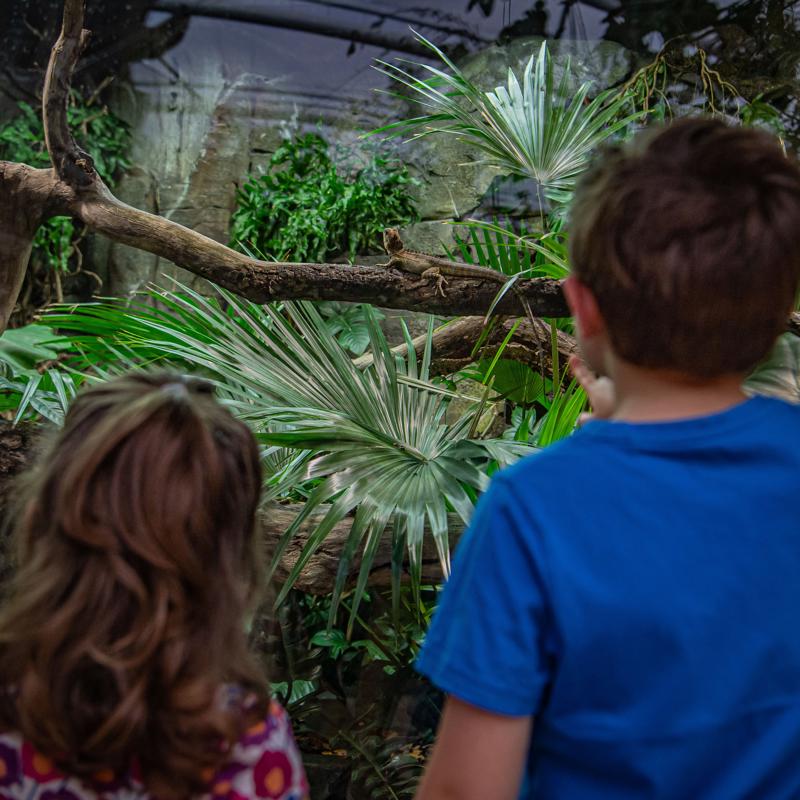
Wander through rainforest trails, listen out for free-flying birds, and look closely for frogs, lizards – even crocodiles.
They’re warm, colourful and open all year round, whatever the weather’s doing.