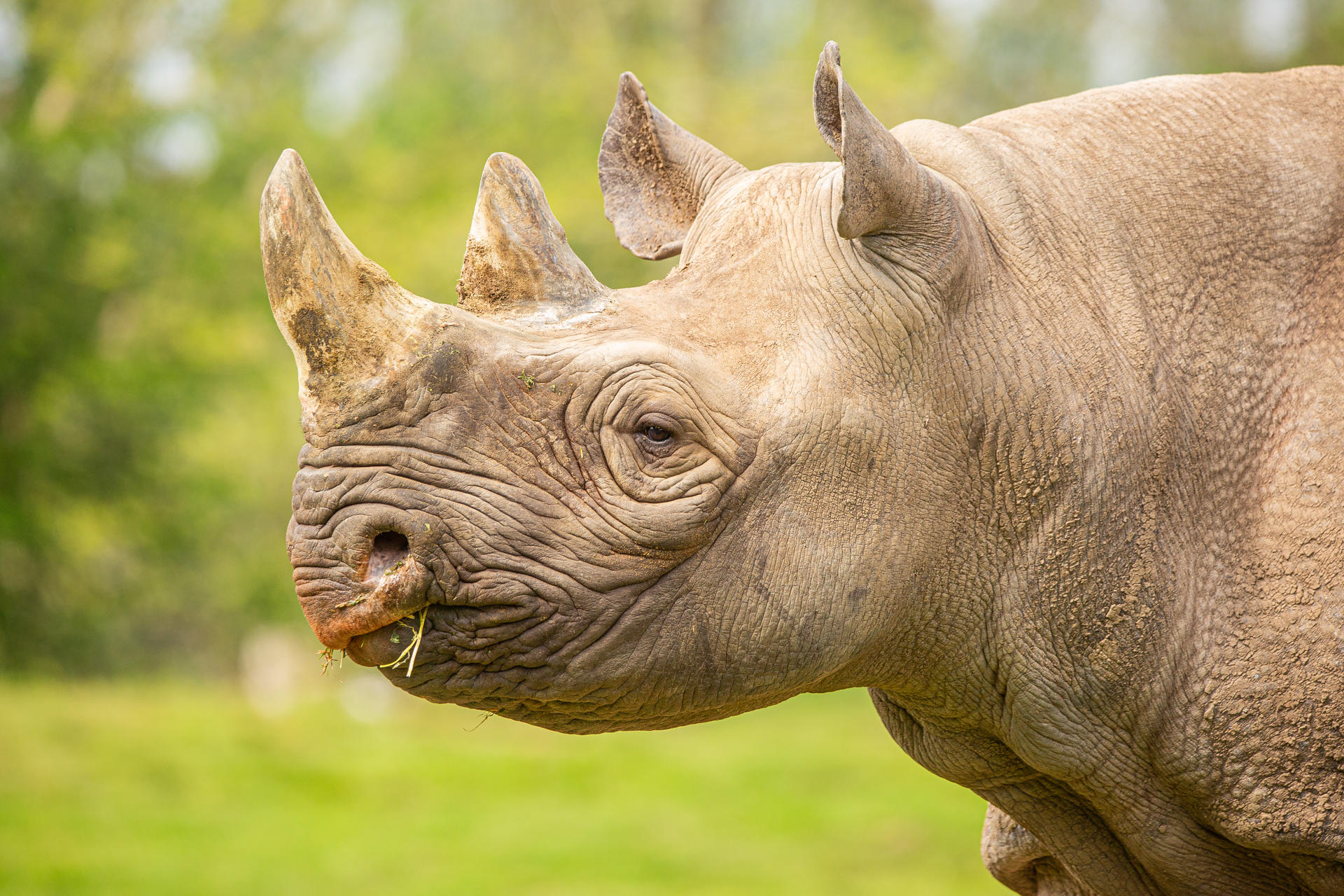
Eastern black rhino fact file video
This video fact file introduces learners to the unique adaptations and behaviours of one of the world’s most critically endangered mammals. It highlights the rhino’s pointed prehensile lip, which works much like a finger, helping them grasp leaves and branches when browsing. The video also explains that unlike white rhinos, black rhinos are solitary animals - yet they still communicate with each other through middens, or communal dung piles, using their exceptional sense of smell to detect which rhinos are nearby and whether females are ready to breed.
The resource goes on to explore the severe threats eastern black rhinos face, particularly poaching for their horns, despite the fact that rhino horn is made of keratin (the same material as human hair and nails) and has no proven medicinal value. Learners also discover how Chester Zoo contributes to conservation through a European breeding programme, including monitoring hormones in rhino dung to determine the best time for pairing individuals.
Learning Outcomes:
-
Understand the adaptations of eastern black rhinos, including their prehensile lip
-
Explore rhino communication methods, such as dung middens
-
Recognise the major threats facing black rhinos, including poaching
-
Learn how conservation breeding programmes support population recovery
-
Develop awareness of how science informs wildlife conservation
Curriculum Links:
-
Science: Adaptation, animal behaviour, ecosystems, reproductive biology
-
Geography: African habitats, human impact on wildlife, conservation challenges
-
Citizenship: Ethical consumerism, protecting endangered species, global responsibility
-
English: Listening comprehension and synthesising factual information