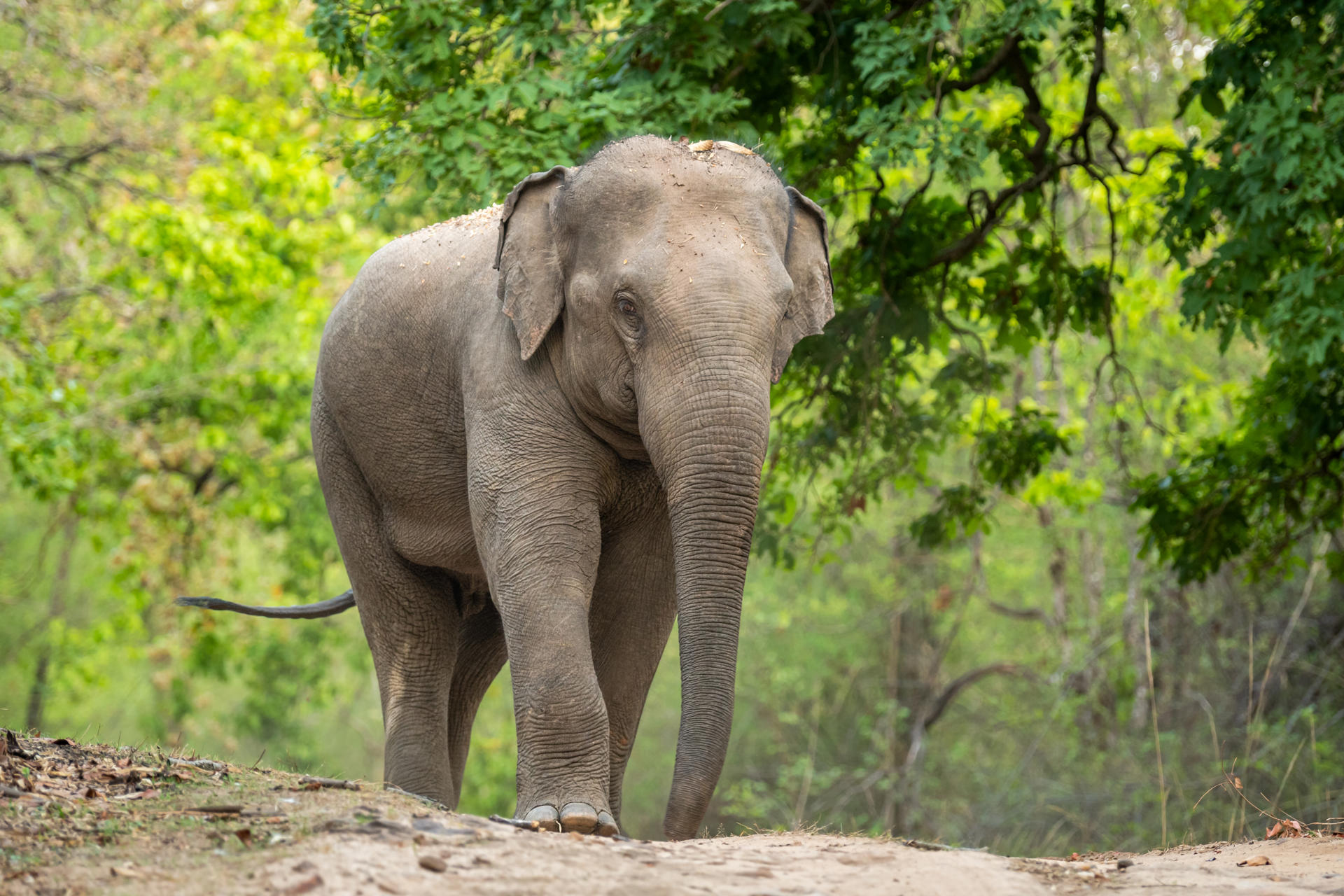
Elephants and the Ecosystem Video
This video video explains how elephants shape and maintain the landscapes they live in, highlighting their vital role within forests, savannahs, and grasslands. The resource shows how their movement, feeding behaviour, and physical strength create clearings, open dense vegetation, and allow sunlight to reach the ground, helping new plants grow. It also explores their ability to disperse seeds over long distances, with their nutrient-rich dung helping new forests and grasslands regenerate naturally.
The video also demonstrates how elephants uncover hidden water sources by digging into dry riverbeds, creating small waterholes that benefit a wide range of species. By illustrating how ecosystems would dramatically change without elephants, the resource emphasises that protecting elephants means protecting entire landscapes and the biodiversity that depends on them.
Learning Outcomes:
-
Understand why elephants are considered ecosystem engineers
-
Explore how elephants influence vegetation, landscapes, and biodiversity
-
Learn how seed dispersal and waterhole creation support other species
-
Recognise the wider importance of elephant conservation for healthy ecosystems
Curriculum Links:
-
Science: Ecosystems, adaptation, food webs, biodiversity
-
Geography: Habitats, landscape change, interdependence of species
-
Citizenship: Conservation awareness, global responsibility
-
English: Understanding and summarising informational texts