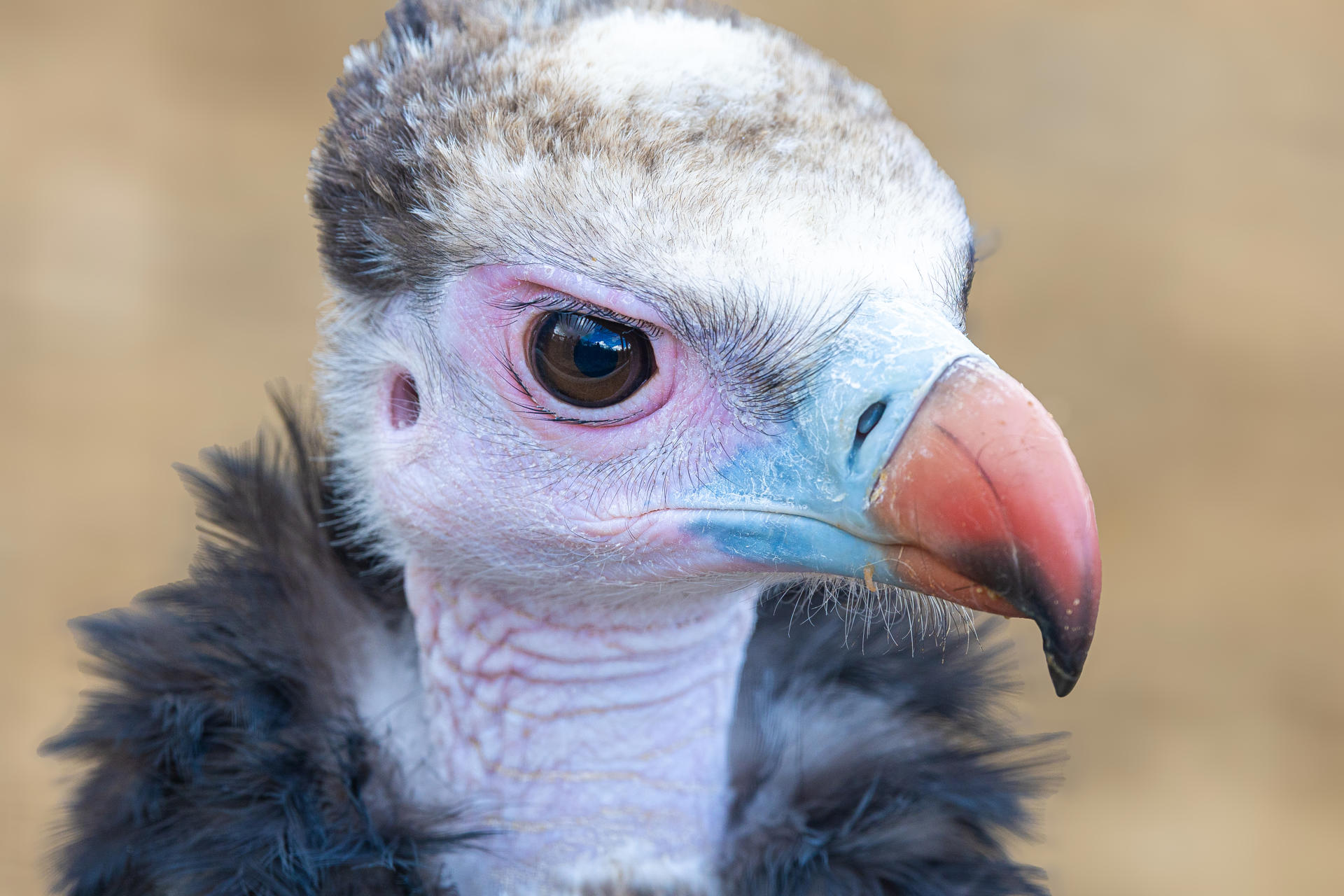
Vultures fact file video
This video introduces learners to this critically endangered African bird of prey and highlights its essential ecological role. The video explains how hooded vultures are adapted for life on the ground and in the air, from their specialised feet to their slender hooked beaks designed for scraping meat from bones. It also explores their nesting behaviour, slow reproduction rate, and long lifespan, helping learners understand why these birds are vulnerable to population decline.
The video emphasises the vital part vultures play in maintaining healthy ecosystems by consuming carcasses, reducing disease risk, and even digesting bones thanks to their highly acidic stomachs. It also addresses the severe threats hooded vultures face, including habitat loss, poisoning, and hunting for traditional medicine. The resource shows how Chester Zoo supports conservation work to protect vultures and encourages learners to consider sustainable actions that help safeguard wildlife and habitats.
Learning Outcomes:
-
Understand the physical adaptations and feeding behaviours of hooded vultures
-
Learn about vulture reproduction, lifespan, and nesting habits
-
Recognise the ecological importance of vultures as natural waste removers
-
Explore the threats faced by hooded vultures and why conservation is urgently needed
-
Develop awareness of global conservation challenges and sustainable living
Curriculum Links:
-
Science: Adaptation, ecosystems, food webs, animal behaviour
-
Geography: African habitats, human impact on wildlife, global conservation issues
-
Citizenship: Sustainable living, protecting endangered species, ethical responsibility
-
English: Listening comprehension and summarising factual information