Zoo Jobs: Habitat Designer Activity
This activity introduces young people to the role of a habitat designer and how zoo habitats are carefully planned to meet animal needs. Learners explore the idea that every animal requires access to food, water, shelter, and space, as well as species specific features. Using animal fact sheets, pupils are challenged to design a suitable habitat layout and label key features, helping them understand how animal welfare, behaviour, and natural habitats influence design decisions.
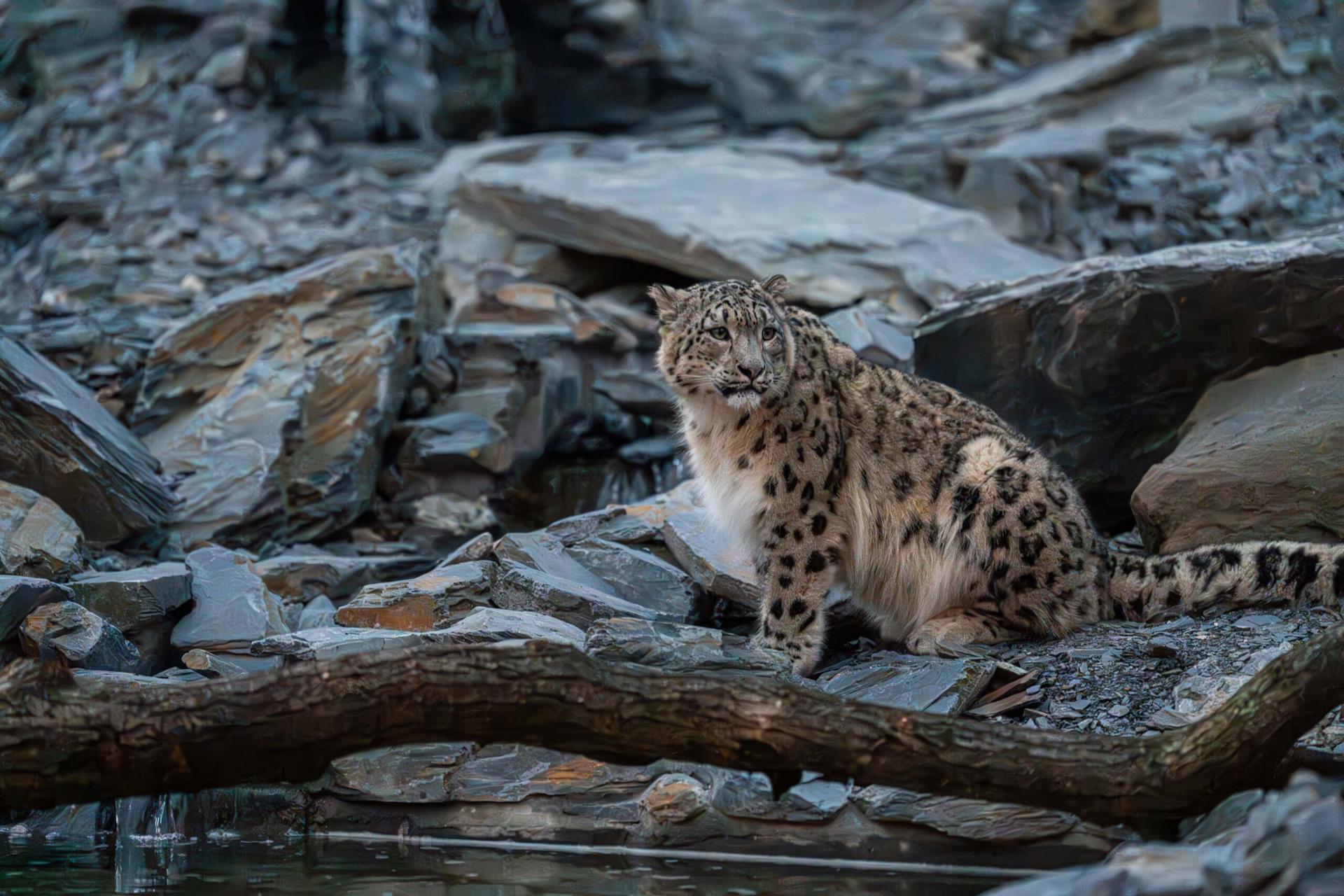
The resource includes example habitat requirements for species such as snow leopard, Sumatran orangutan, reticulated python, and American flamingo. Learners are prompted to think beyond the animals themselves by considering visitor viewing areas, keeper access, and feeding methods that encourage natural behaviours. This activity builds a realistic understanding of zoo design while developing creativity, scientific thinking, and empathy for animals.
Learning Outcomes:
-
Understand the role of a zoo habitat designer
-
Identify the basic and specialist needs of different animal species
-
Apply animal fact file information to design a suitable habitat
-
Consider animal welfare, keeper access, and visitor experience
-
Develop creativity and problem solving skills
Curriculum Links:
-
Science: Habitats, adaptation, animal needs, ecosystems
-
Geography: Natural environments, land use, human impact
-
Design & Technology: Designing for a purpose, planning and labelling
-
Citizenship: Animal welfare and responsibility