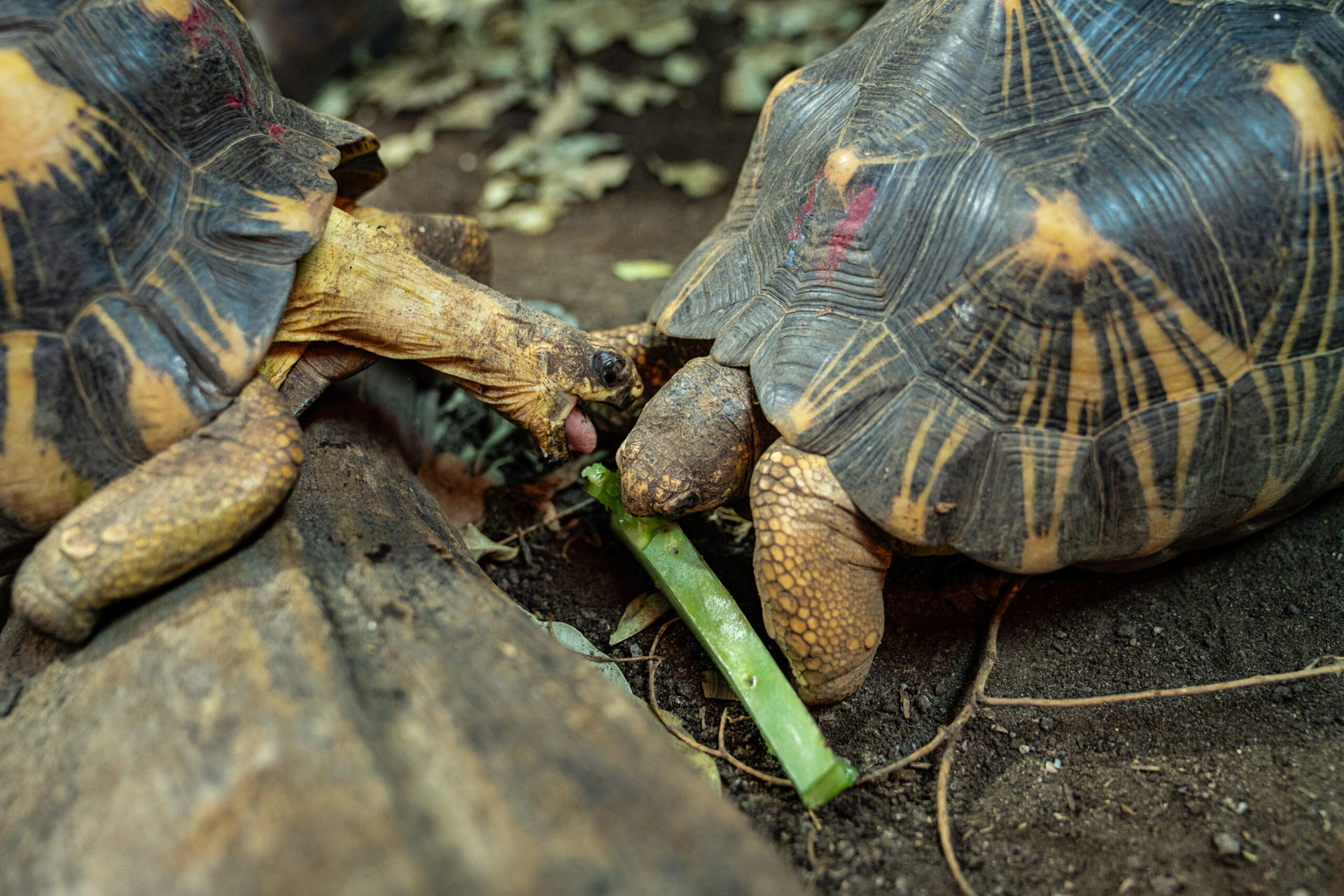
Zoo Jobs: Nutritionist Activity
This activity introduces young people to the role of an animal nutritionist and how zoo animals are given carefully balanced diets. Learners explore how different animals need different types and amounts of food depending on their size, species, and natural feeding habits. Using animal diet sheets, pupils are challenged to create a daily menu that meets an animal’s exact energy requirements, measured in kilocalories, while choosing appropriate foods that reflect what the animal would eat in the wild.
The activity also encourages learners to think about how animals are fed, not just what they eat. Pupils consider natural feeding behaviours, how food can be presented to encourage movement and enrichment, and how keepers know when a diet might need changing. With example diet sheets for animals such as capybara, tiger, and rhinoceros hornbill, the resource builds understanding of nutrition, animal welfare, and the science behind keeping animals healthy in zoos.
Learning Outcomes:
-
Understand the role of an animal nutritionist in a zoo
-
Learn how different animals have different dietary and energy needs
-
Use data to calculate and balance a daily diet
-
Explore how feeding methods support natural behaviours
-
Develop problem solving and decision making skills
Curriculum Links:
-
Science: Nutrition, animal needs, digestion, health
-
Maths: Addition, totals, data handling, calculations
-
Design & Technology: Planning and evaluating food choices
-
Citizenship: Animal welfare and responsibility