National Conservation Zoo
Opening times today: 10am - 4:30pm (Last entry at 3:30pm)
Explore our range of resources to help with teaching and learning at home and at school
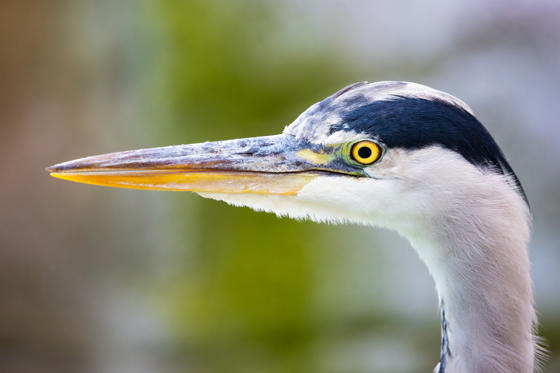
The grey heron fact file from Chester Zoo teaches young learners about the diet, habitat, and adaptations of this wetland bird. It also encourages awareness and protection of important ecosystems through simple conservation actions.
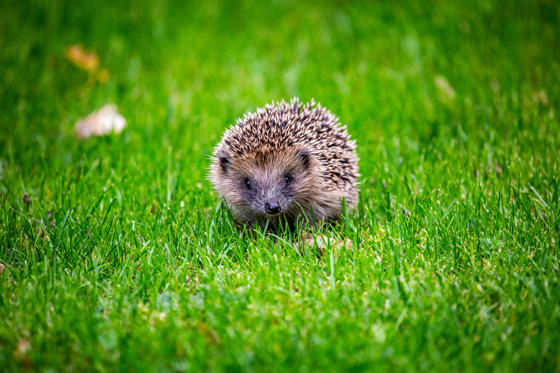
The hedgehog fact file from Chester Zoo introduces children to the UK’s native hedgehog, highlighting its habitat, diet, and unique physical features. The resource also encourages wildlife-friendly actions that support hedgehog conservation in local gardens and green spaces.
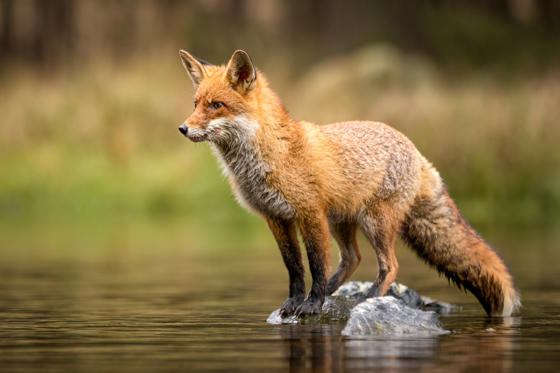
The red fox fact file from Chester Zoo introduces children to the UK’s most common wild carnivore, exploring its habitat, diet, and unique adaptations. It also highlights the importance of protecting green spaces to ensure the survival of foxes and other British wildlife.
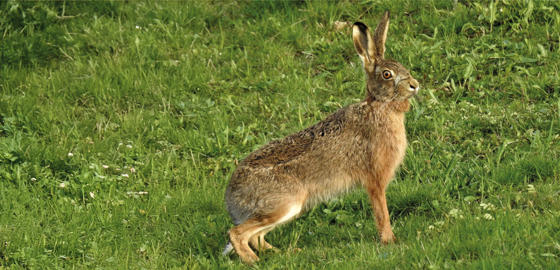
The Brown Hare Fact File from Chester Zoo introduces young learners to the habitat, diet, and behaviour of the UK’s fastest land mammal. It also encourages wildlife conservation by highlighting simple actions children can take to protect brown hares in their local area.
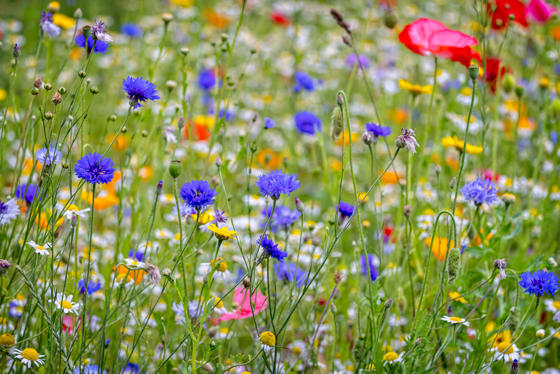
The Design a wildlife garden resource from Chester Zoo teaches children how to plan and create outdoor spaces that support local biodiversity. It combines ecological learning with creative design and recycling skills, helping learners take practical conservation action.
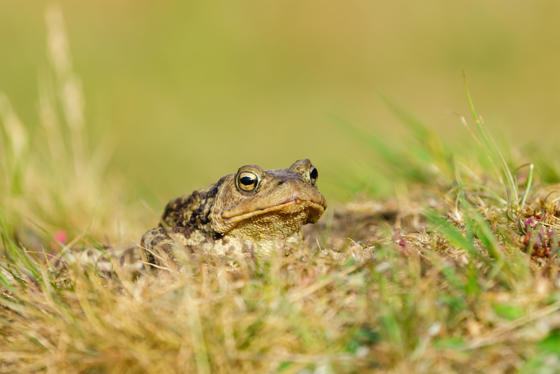
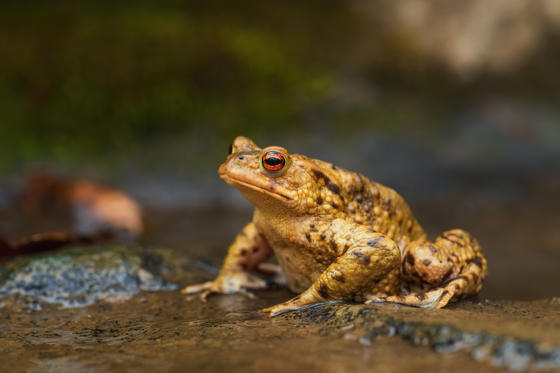
Learn how to help protect toads in the UK by watching Chester Zoo’s Register a Toad Crossing Video and supporting wildlife conservation efforts. Ideal for KS2-3 Science.
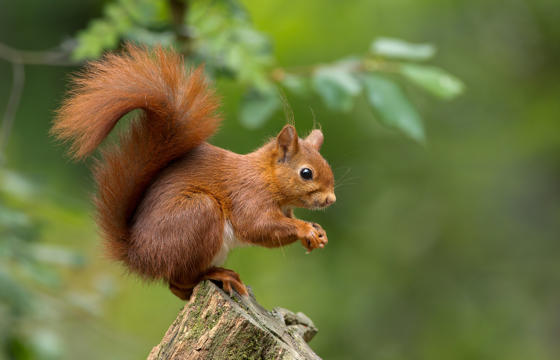
The red squirrel fact file introduces young learners to one of the UK’s most threatened native mammals.
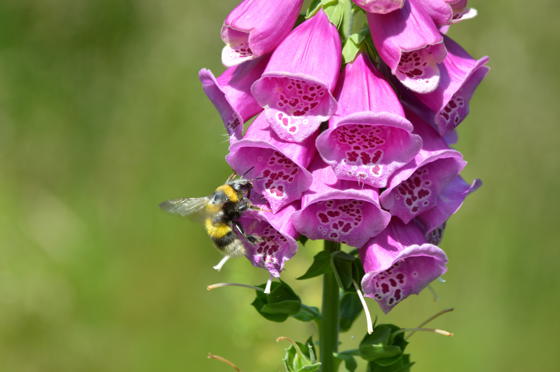
The Garden Bumblebee Fact File from Chester Zoo helps young learners discover the role of Bombus hortorum in pollination and biodiversity. This vibrant resource also encourages action for wildlife through wildflower planting and habitat creation.
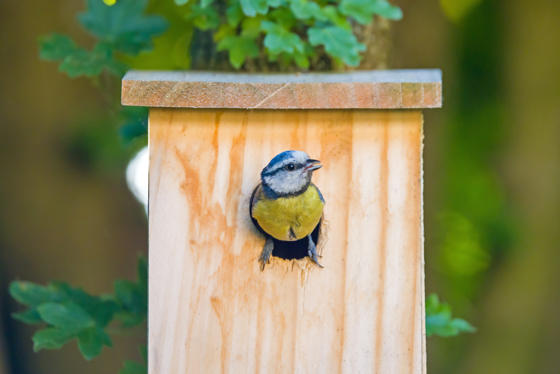
The How to build a bird box resource from Chester Zoo shows learners how to construct and position bird boxes to support species such as tits, robins, and starlings. It also provides tips on creating wildlife-friendly gardens to give birds safe nesting and shelter options.
The Take part in a survey resource from Chester Zoo teaches learners how to record and monitor wildlife using methods like transects and BioBlitz events. It also encourages children to submit their findings to conservation databases, helping to protect species and habitats.
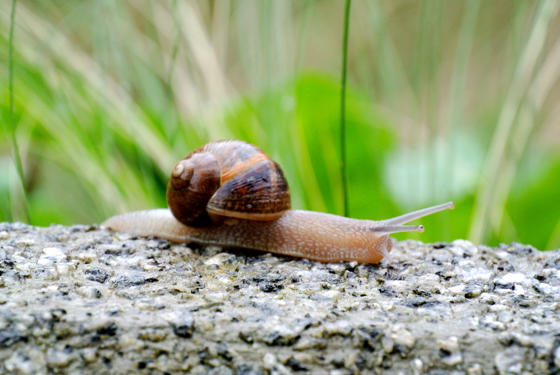
The garden snail fact file from Chester Zoo helps children explore the lives of these slow-moving invertebrates, including where they live, what they eat, and how long they live. It also highlights simple steps young people can take to support invertebrate conservation in their gardens and green spaces.
The Create a hibernaculum resource from Chester Zoo shows learners how to build a safe space for amphibians, reptiles, and other wildlife to survive the winter. It combines practical conservation skills with ecological learning, encouraging children to take direct action to support biodiversity.