Five thousand trees - and the fungi experiment that could change how Britain plants woodland
The new saplings growing on our estate will provide a big boost to biodiversity and plant science in the North West.
With Mersey Forest and the Environment Agency, we have created more than five hectares of new woodland in Cheshire, roughly the size of 40 Olympic swimming pools.
We've chosen to announce this milestone on the The International Day for Biological Diversity (May 22), but this is just latest step in an ongoing regional project to boost biodiversity and tackle climate change.
Teams have been carrying out winter planting to establish 5,200 native trees on Chester Zoo property, building on the nine hectares of woodland planting completed in 2024.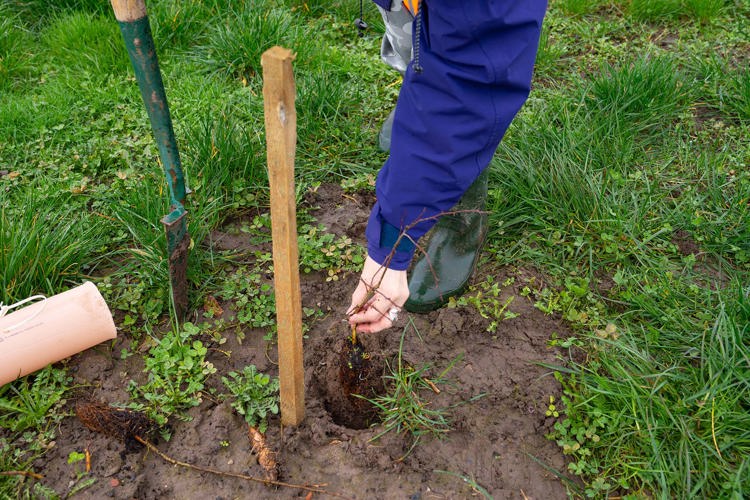
“It’s fantastic to be working in collaboration with Chester Zoo on another woodland creation project. We can’t wait to see this latest woodland become established and transform this area of the zoo’s estate.”
Lauren Taylor, Woodland Advisor for The Mersey Forest
Around 200 British tree species and woody shrubs, including pedunculate oak, downy birch, wild cherry and alder, have been planted on a section of the zoo’s land adjacent to the M53.
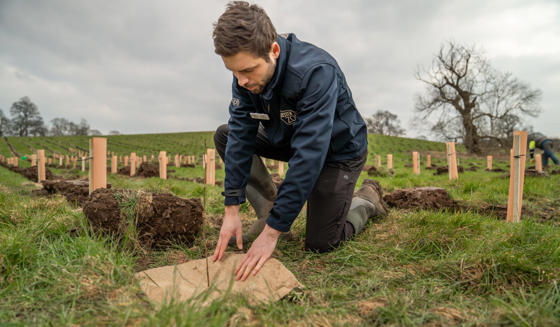
Uniquely, thousands of experimental pellets were buried alongside a third of the saplings as part of a research project to see if introducing special soil fungi helps trees establish and grow faster, particularly on degraded soils like the former farmland on the our estate.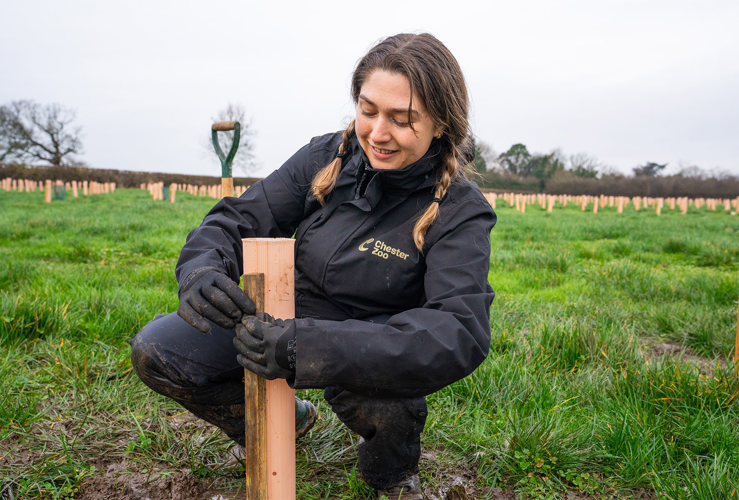
The pellets provide soil fungi that naturally bonds with tree roots and offers additional protection against soil-borne diseases. The results of the research might shape future planting projects.
Our estate is already home to iconic woodland species like tawny owls and brown long-eared bats, and providing more woodland will help them thrive.
Ruby Merriman, Estate Biodiversity Manager for Chester Zoo, said this was an important step toward the goal of managing 30% of our 265ha estate for biodiversity by 2030.
Creating larger areas of woodland across the estate increases nesting, roosting and feeding opportunities for wildlife, and the woodland glades will offer even more habitat for butterflies, birds, bats and more.
Ruby Merriman, Estate Biodiversity Manager for Chester Zoo
The project is funded through the UK Government’s Trees for Climate Fund and is managed by The Mersey Forest with additional support from the Environment Agency.
Volunteers from the Environment Agency helped to get the trees in the ground as part of their corporate volunteering days, alongside external volunteers coordinated through Networks for Nature.
We have helped create a living legacy: new woodland that will strengthen local biodiversity, store carbon, and protect our communities for generations to come.
Katherine Causer, Environment Programme Manager for the Environment Agency,
The project aligns with the Local Nature Recovery Strategy for Cheshire, The Mersey Forest Plan and the aims of the Chester Zoo-led Networks for Nature project, all of which are improving biodiversity in the region and helping meet national targets to combat climate change.