Africa's rarest antelope gets lifeline as zoo-bred males head to Kenya
Experts from Chester Zoo are leading efforts to return Africa’s rarest and largest antelope back to Kenya.
Fewer than 50 mountain bongos survive in the wild. Now, that number is about to grow.
Four males, carefully bred in European zoos, are to be transported to the Mount Kenya Wildlife Conservancy (MKWC) in a historic moment for one of Africa's most endangered species - and a landmark example of how modern zoos can pull a species back from the brink.
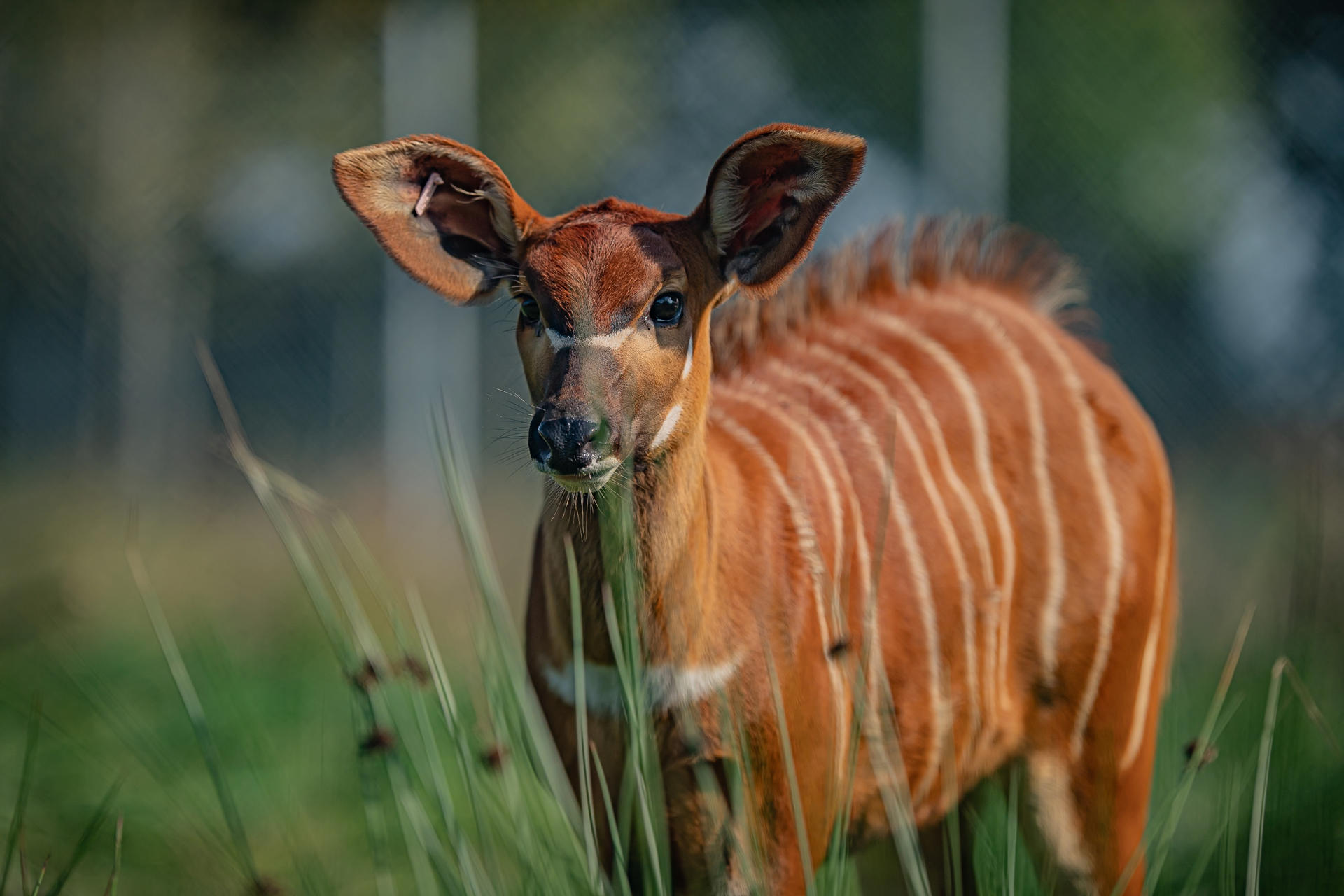
The mountain bongo is a striking antelope, recognisable by its rust red coat with bold white vertical stripes and long spiral horns, found only in the highland forests of Kenya. Habitat loss and poaching have reduced wild numbers to be estimated at fewer than 50, making it one of Africa's rarest animals.
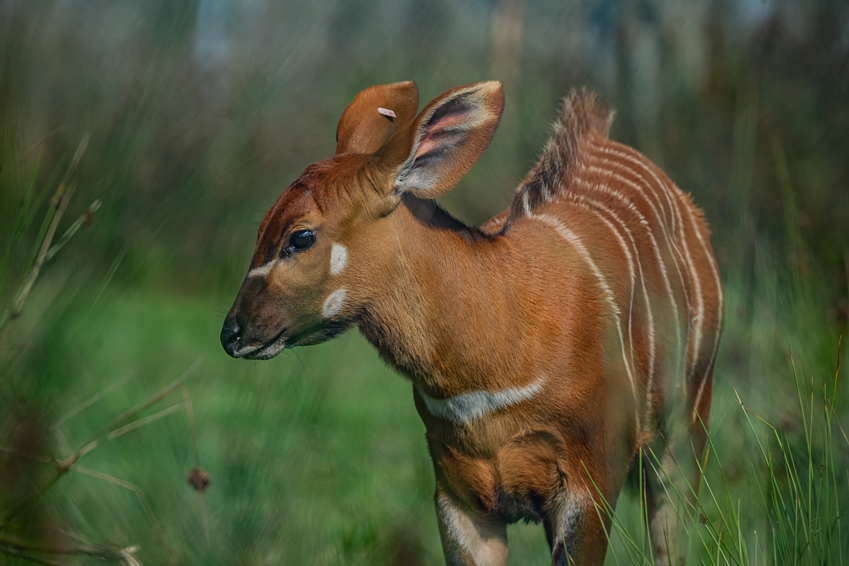
Experts here at the zoo have spent more than eleven years coordinating a breeding programme across European conservation zoos. The four males now selected - chosen on the basis of age, health and genetics - will be the first to ever be transferred from European zoos to Kenya as part of a rewilding effort.
"This is a truly historic moment for mountain bongo conservation in Africa and for the European zoos that have worked tirelessly to safeguard the species."
Dr Nick Davis, Mammals General Manager at Chester Zoo
Dr Davis, who is coordinator of the mountain bongo European breeding programme, continued:
"The mountain bongo is one of Africa's rarest mammals and perilously close to extinction. Thankfully though, the species is thriving in conservation zoos across Europe, with a number of important births in recent years helping to build a healthy, genetically strong population.
"As a result, we have carefully selected four males to provide a vital lifeline and help boost numbers at the Mount Kenya Wildlife Conservancy. Collaborations like this are absolutely essential if we are to prevent this magnificent species disappearing altogether. They demonstrate how modern, science-led zoos play an important role in bringing species back from the brink – and the future of the mountain bongo may now be much brighter because of it."
The four male bongo are currently undergoing rigorous health checks and quarantine at a specialist facility, Safari Park Dvůr Králové, in the Czech Republic before being flown to Kenya. On arrival at MKWC, they will be monitored closely and gradually become introduced to the existing breeding programme.
The conservancy has reached a milestone of 100 mountain bongos bred under human care, but its ambitions run considerably further.
"These males are a critical component of our rewilding programme. Having reached the milestone of 100 mountain bongos at Mount Kenya Wildlife Conservancy, our focus now is on sustained growth, with a long-term national target of establishing at least 750 individuals by 2050."
Dr Robert Aruho, Head of Conservancy at MKWC
Dr Aruho continued:
"The introduction of these genetically valuable males will strengthen our breeding structure, accelerate population growth, and play an essential role in building a resilient bongo population capable of supporting rewilding and long-term recovery in Kenya's forests."
Technology is also playing a growing role in protecting the species. In April 2024, we partnered with Kenya Wildlife Service and Liverpool John Moores University's Conservation AI team to develop the world's first AI-powered detection system for mountain bongos - cameras that provide real-time data on the animals' behaviour, movement and health without disturbing them.
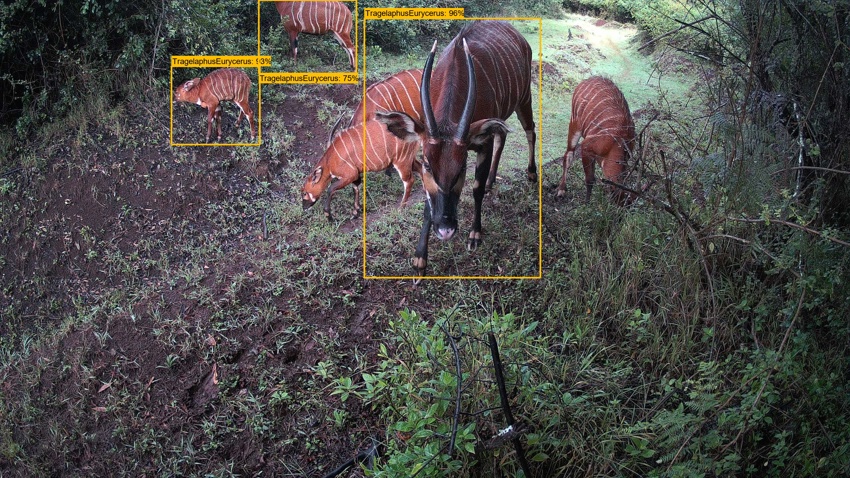
Stuart Nixon, Chester Zoo's Regional Field Programme Senior Manager for Africa, said:
"We're at the forefront of bongo conservation and have been involved in breakthrough discoveries, such as finding the lowland subspecies living in Uganda for the first time. Our newly developed AI-powered cameras are also revolutionising how the species is monitored in the wild, helping us protect them more closely than ever before. Combined with reintroduction efforts like this one, this work will change the tide for mountain bongos."
The repatriation is a collaboration between European Association of Zoos and Aquaria (EAZA), Kenya Wildlife Service and Mount Kenya Wildlife Conservancy - a model for how international conservation partnerships can rescue species from the edge of extinction.