Big butterfly survey launched
Conservationists say this survey will help protect Malagasy butterflies and forests
We're teaming up with Malagasy conservationists to uncover the secrets of an extraordinary forest.
The ongoing big butterfly survey is the first of its kind in the ecologically vital forests of the Mangabe protected area.
It will produce the country’s first official butterfly ID guide and will be the largest butterfly survey ever carried out in Madagascar.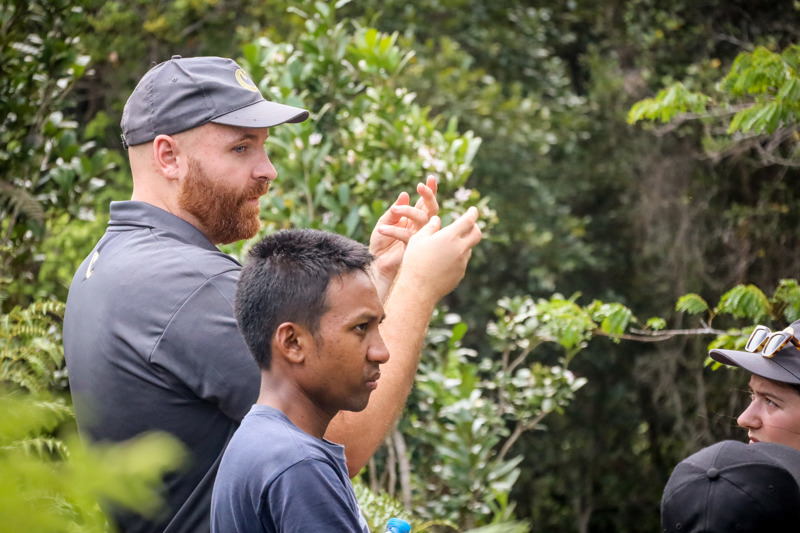
Very little is recorded about butterfly species in Madagascar. We took part in the first butterfly counts, kickstarting the survey. It’s an exciting project.
Charles Wheeler, Madagascar Project Manager at Chester Zoo
The team was thrilled to identify different species, as it was the first time their presence was confirmed in Mangabe, and perhaps in Madagascar.
Our conservationists, research and reforestation group Madagasikara Voakajy, and butterfly experts at the University of Antananarivo found 61 species during the first catch-and-release butterfly counts.
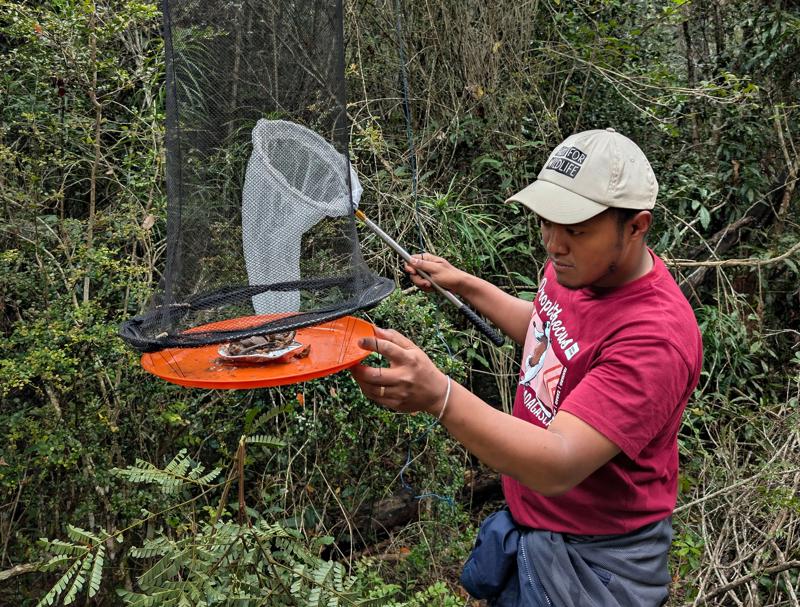
The team are using tent-like charaxes traps baited with rotting fruit to lure in butterflies so they can be photographed for identification. They are then released, unharmed.
As well as cataloguing butterfly biodiversity so species can be protected, and collecting information about the plants they need to survive, the survey is helping prove the importance of conservation efforts.
Butterflies are sensitive to change, and species need different host plants. They are great indicators of habitat health. Lots of butterfly species indicates lots of plant diversity.
Imogen Newens-Hill, invertebrate keeper at Chester Zoo
Butterflies are sensitive to change, and species need different host plants. They are great indicators of habitat health. Lots of butterfly species indicates lots of plant diversity.
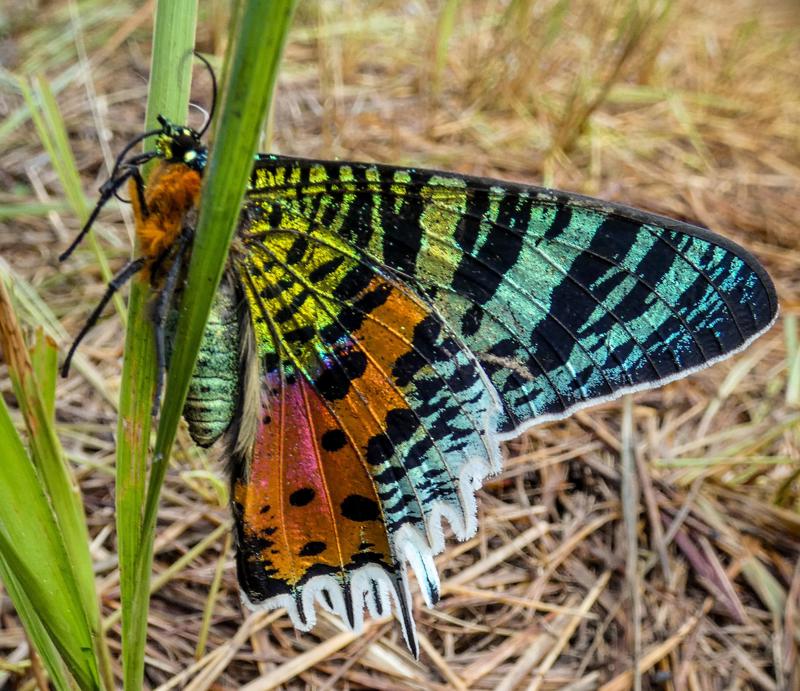
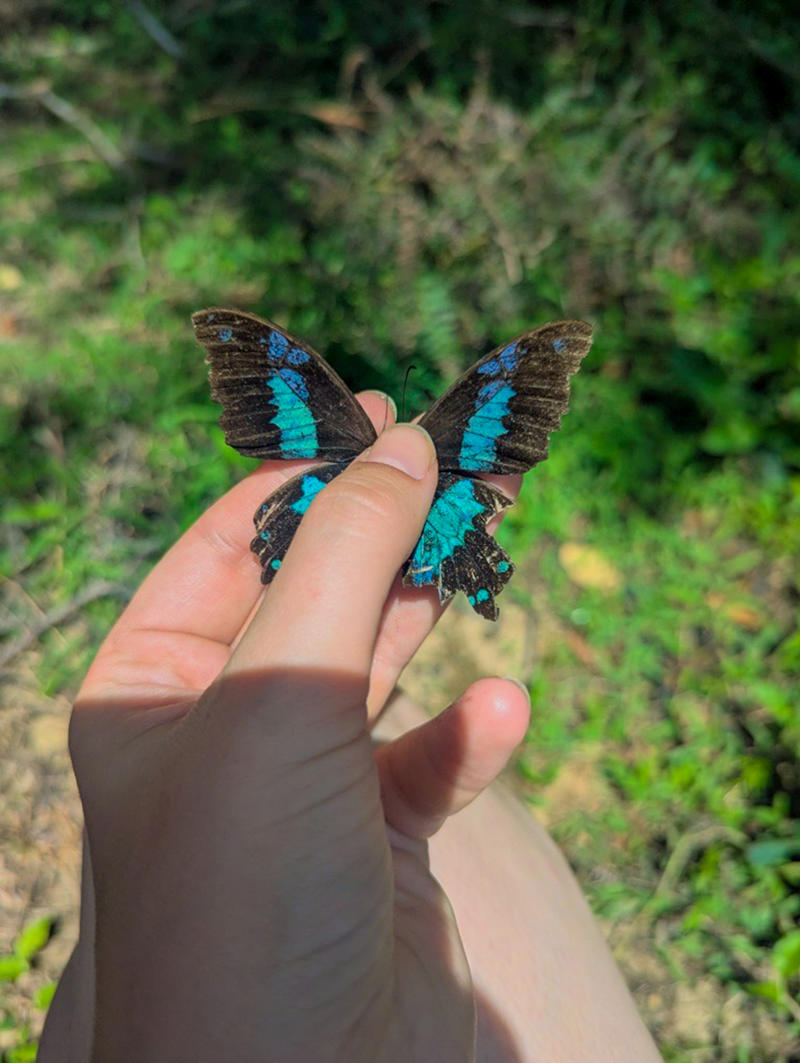
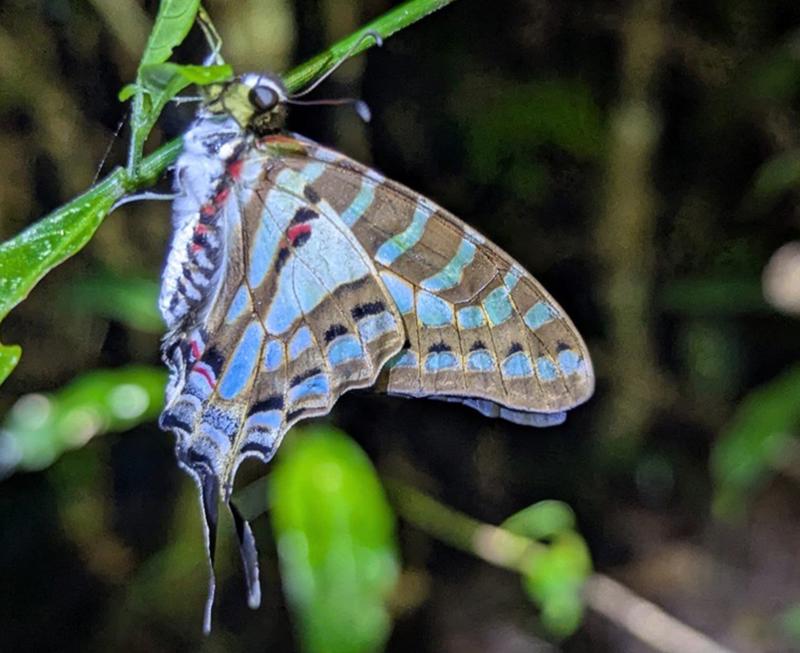
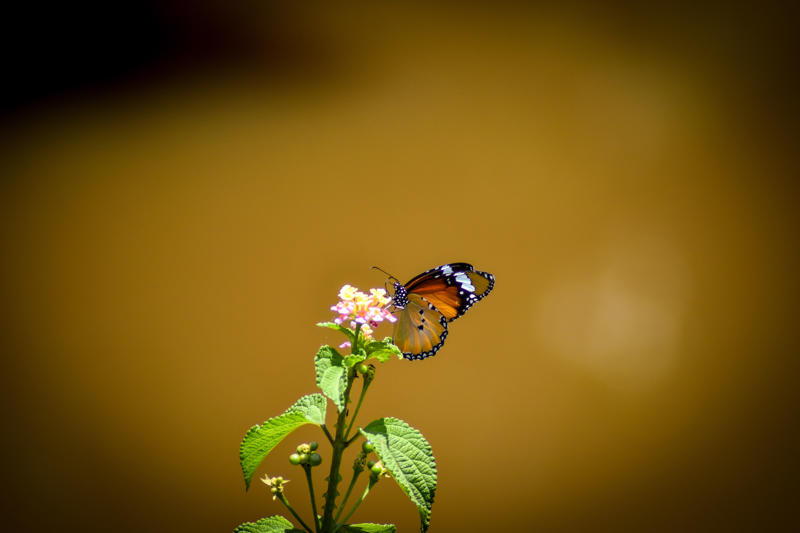
The early data confirms that butterflies are found more often and in greater diversity in replanted forest compared to areas where the forest has been stripped back.
Many butterflies recorded during the count are likely to only be found on the island, which sits 400km from mainland Africa.
Mangabe is revealing more than we ever imagined. In just two short fieldwork sessions, our butterfly list grew from around 47 species to over 60. Maybe there could be more.
Pierre Razafindraibe, Research Leader in Mangabe
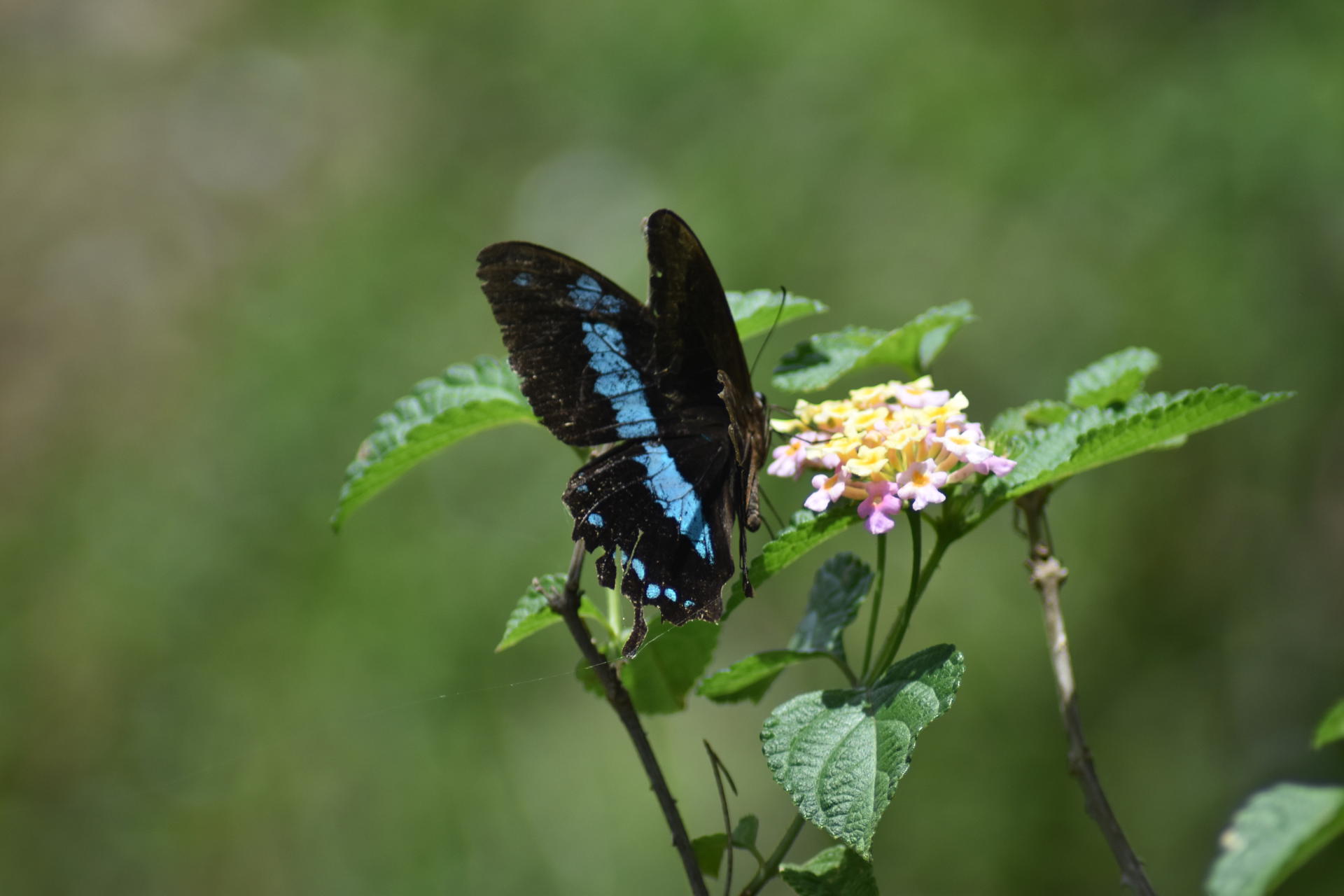
The team has identified several species like the Madagascan striped swordtail (Graphium evombar), the teardrop swallowtail (Papilio epiphorbas), and Aterica rabena (pictured).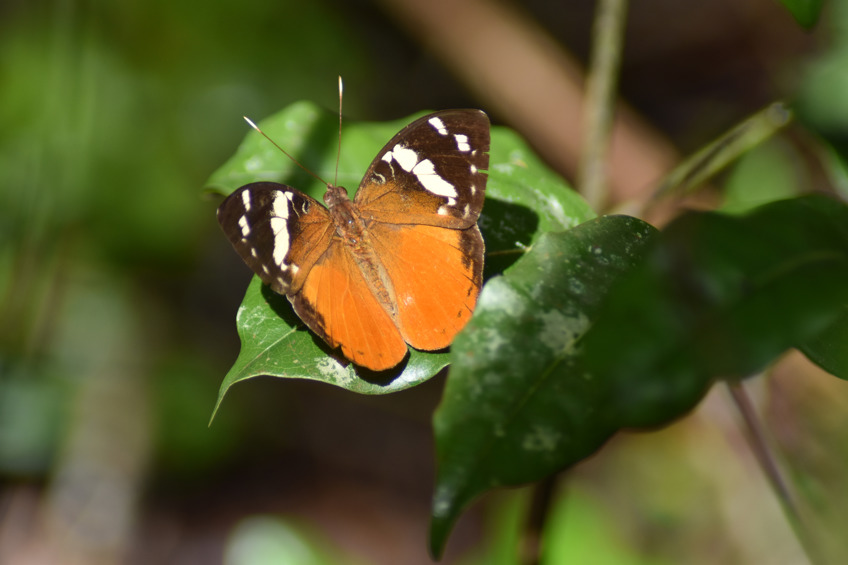
Madagascar has been hit by extensive deforestation, and many people in economically challenged communities turn to illegally taking butterflies from the wild to pin and sell them.
They aren’t doing this to deliberately harm these species. It’s because they are following traditions and trying to feed their families.
Through the butterfly count, we are already having conversations with local people about more sustainable alternatives like ecotourism.
The long term study is designed to take place alongside reforestation work, to capture habitat changes over the season, and to train the entomologists of the future.
Mangabe clearly stands out for its exceptional butterfly diversity. This collaboration has been invaluable, especially in coaching students from Ankatso in the field. This work is only gaining momentum.
Dr HDR Andrianjaka Ravelomanana, Entomologist Biologist, University of Antananarivo, Madagascar