Conservation breeding programme returns hundreds of endangered snails to the wild
Follow our journey from breeding the near-extinct Desertas Island land snails at the zoo, to releasing them on a remote island in the Atlantic.
We've reintroduced hundreds of tiny snails on a rocky Atlantic island after a zoo breeding programme pulled four species back from the brink.
The tiny molluscs have been returned to Bugio island on the Madeiran archipelago, helping to restore habitat and support biodiversity on land once grazed bare by feral goats, mice and rabbits.
We were asked by the Maderia government, alongside experts at ZooParc de Beauval in France, to step in when a handful of snails - from the last known wild population - were carefully transported to each zoo in an effort to save them from extinction.
Among them were 21 Geomitra coronula, believed to the last of their kind, which were found clinging to life beneath a single rock.
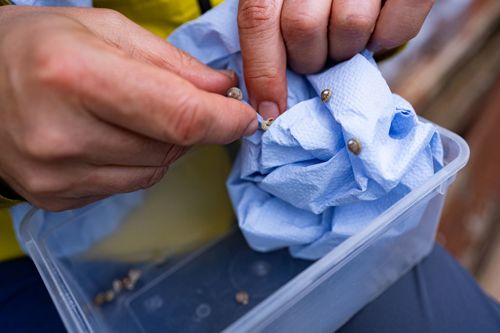
More than 300 of their descendants bred here at Chester Zoo have returned to the wild, alongside 270 specimens of Discula lyelliana bred by specialists in France.
“It had to be a rapid rescue mission for all four species of snail. Over the course of a few hundred years, people managed to destroy the islands’ woodland and introduced rabbits and goats, which prevented native plants from regrowing. Worse still, they accidentally brought mice with them. With no natural sources of drinking water on the islands, the mice quickly turned to the snails, whose bodies are made up of around 80% water, using them as a vital source of hydration. As a result, snail populations were wiped out." Tamas Papp, Assistant Team Manager for Invertebrates at Chester Zoo
“By the time the Madeira government contacted us for help, one of the species, Geomitra coronula, was so close to extinction that its entire global population could fit inside a single petri dish. We knew we had one shot to save them. If we missed this chance, that was it - they were gone.”
Tamas Papp, Assistant Team Manager for Invertebrates at Chester Zoo
Madeiran Government conservationists prepared for the snail release by removing the invasive species and restoring the island to pristine condition. These measures were also designed to protect at-risk sea birds.
Dinarte Teixeira, conservationist at the Institute of Forests and Nature Conservation, coordinated the snail rescue mission, identified suitable release sites on Bugio and Deserta Grande and is monitoring snail numbers. Our conservationists, alongside those at ZooParc de Beauval, relied on this information during the recent expedition.
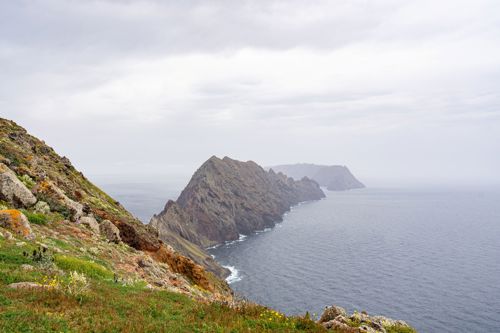
“The Desertas islands are the only place in the world where these precious snails can be found. For 100 years we thought they’d gone forever, but thanks to this team effort, these reintroductions are proving successful. We will keep monitoring the snails as the settle back into the wild."
Dinarte Teixeira, IFCN Conservation Biologist and Project Manager
Tamas, who personally carried the 300 Geomitra coronula to Bugio, said:
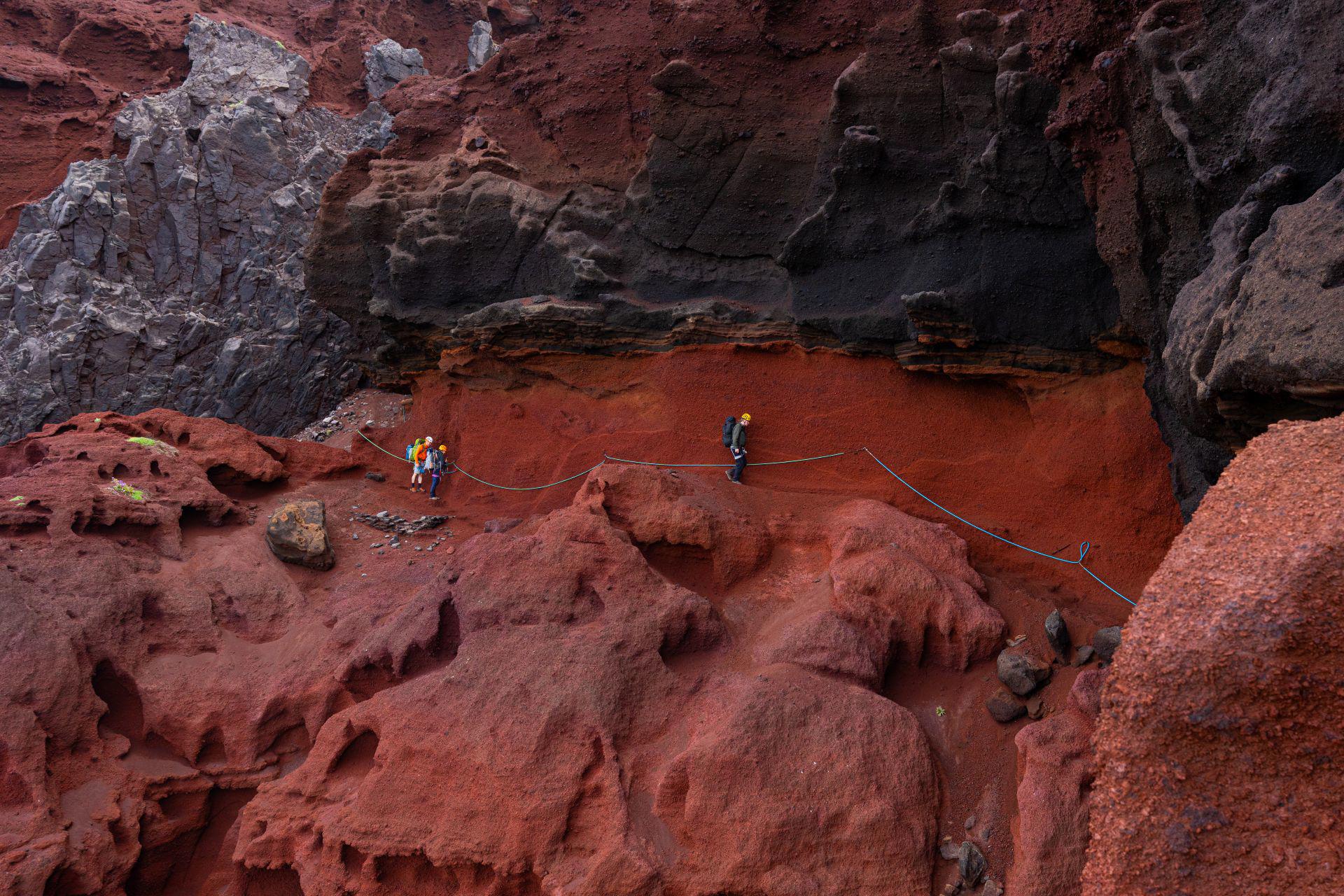
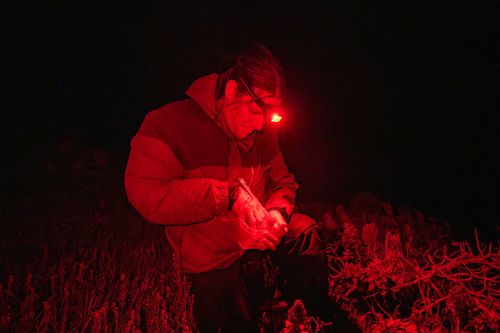
"It might be the trickiest reintroduction we’ve ever done. We had a short window due to rough weather, and there’s no jetty on the island. We had to jump straight into the water, climb out, put helmets and harnesses on, and start scrambling up the cliff face. It took us two hours to navigate less than two miles.”
The team had to travel at night, using red spectrum torches to find snail-friendly cracks in the rock, as the islands’ rare sea birds are sensitive to artificial light.
Our experts are now looking after all four species, Atlantica calathoides, Geomitra grabhami, G. coronula and Discula lyelliana in on-site breeding pods built to mimic their natural environment.
Nothing was known about their care, so specialists quickly established what the rescued snails would eat, which temperatures suited them best and about their breeding cycles.
“It’s a privilege to be approached to support these snails based on work we’ve done on other species, and it’s a testament to the teams that they’ve cultivated a skill set with snails that’s being recognised globally.
Iri Gill, Ectotherms General Manager at Chester Zoo
Iri continues:
“Our aim now is to build a network of institutions to support the conservation breeding programme. That means establishing breeding centres in Maderia, working closely with local communities and securing further support of the authorities. We’ve already put a call out across the European network of conservation zoos to get involved and the response has been fantastic. Now we’re looking at transferring animals to begin building a healthy, secure population for the future.”
Meanwhile, the ZooParc de Beauval team is breeding Geomitra grabhami and Discula lyelliana as part of the Desertas project. Given how precious the snails are, biosecurity is tight at both organisations.
“The snails have regular veterinary tests to verify that it’s safe for them to be released into the wild. Before the reintroduction, we choose individuals that are of age to breed - or close to - from various generations to offer diversity in the individuals released.
“These reintroductions are important milestones in this conservation programme. They prove that the work carried out by zoos is vitally important in securing a future for wildlife on our planet.”
Anaëlle Loiseau, Species Manager at ZooParc de Beauval
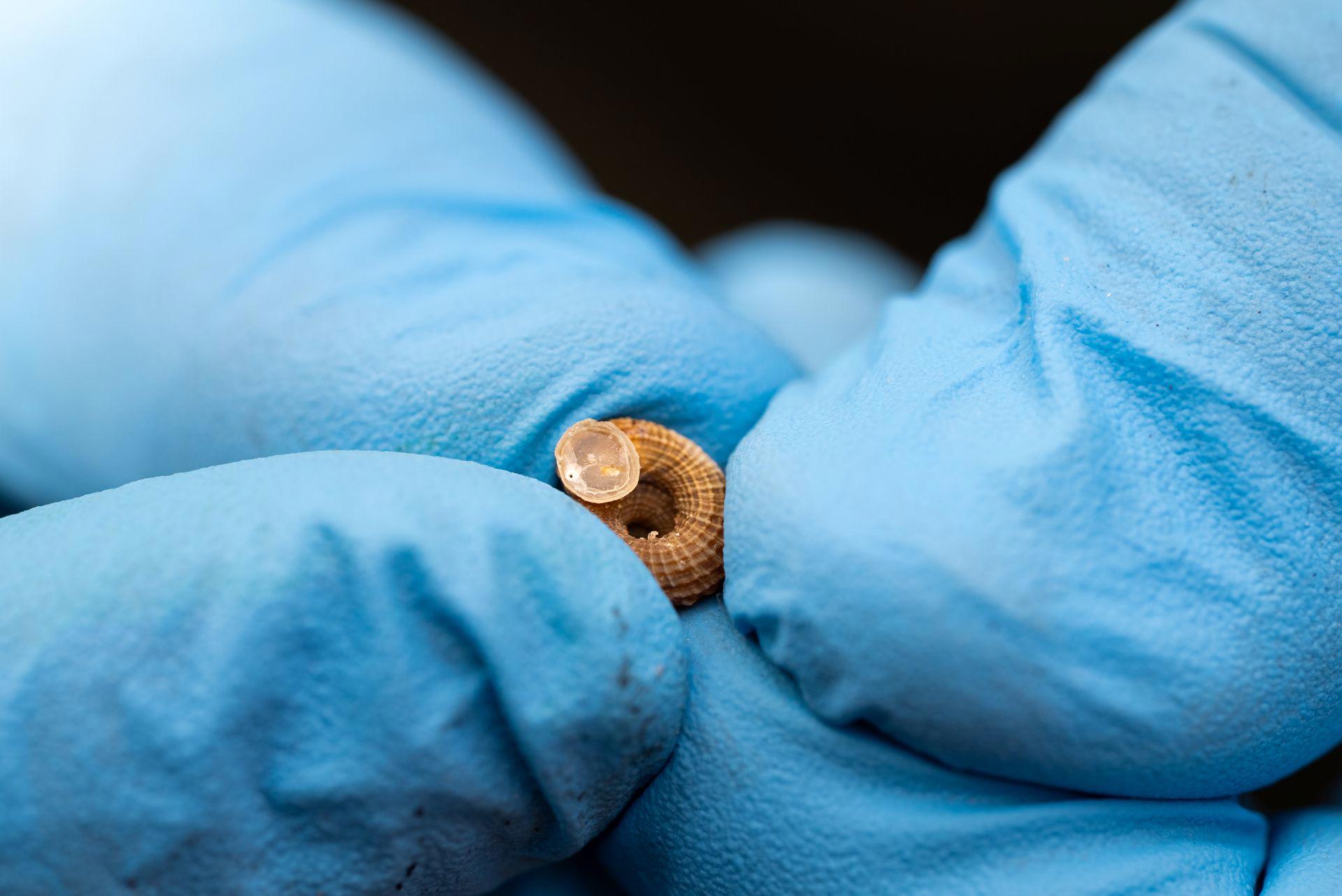
The released snails measure no bigger than 8mm in size, but they are important to the health of ecosystems as they eat vegetation and enrich the soil.
Conservationists believe their recovery will support the broader restoration of fragile island habitats.
Ms Loiseau said: “The snail populations are growing smoothly at the zoos and in the wild, and the wild survival rates are above expectations. This is a sign of hope for species that are the foundation of a full ecosystem.”