
We're welcoming a move to cut red tape on conservation transfers
After years of campaigning, Chester Zoo conservationists welcome a pledge to reduce barriers to moving animals and biological samples
Chester Zoo bosses have welcomed a UK-EU deal to cut the red tape on conservation transfers across the continent.
For more than half a decade, animal health-related trade barriers between the UK and the EU have put conservation breeding programmes and zoo science projects under significant stress, but today’s announcement signified a clear way forward, said Kirsten Pullen, Chief Conservation Officer of Chester Zoo.
She said:
“Chester Zoo has been a strong advocate for ensuring that the new UK-EU Sanitary and Phytosanitary (SPS) Agreement worked for conservation transfers.
“International breeding programmes rely on the movement of animals between accredited institutions, but additional animal health requirements introduced since the UK left the EU have made that work more complex and resource-intensive.
"We hope this will reduce unnecessary barriers to conservation transfers and strengthen the international conservation partnerships that are critical to preventing species from becoming extinct.”
While we'll need to see the detail of how the agreement is implemented, today's announcement is an important step forward.
Kirsten Pullen, Chief Conservation Officer
Initially, we feared the new SPS agreement, which is designed to break down trade barriers and speed up border checks for animal and plant products, would focus primarily on food and farming.
Meanwhile, serious delays in moving animals and scientific materials between the UK and EU have impacted zoos across the continent.
Until now, red tape meant many animals that were important to international conservation breeding programmes faced long waits before transfers or were unable to travel to partner organisations due to the increased complexity of paperwork and approvals.
This has affected our science work and conservation breeding transfers. For instance, Andean bear Bernie and Brian the Visayan warty pig, were scheduled to make moves to meet new mates, which would have helped bring their genetics into a new generation, but the transfers were seriously delayed.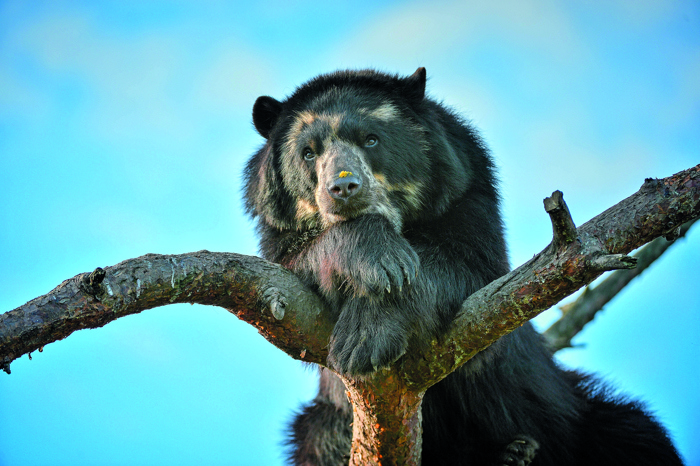
EAZA Ex situ Programmes (EEPs) are designed to maintain genetically healthy insurance populations of highly at-risk species.
We and other British zoos play important roles in many EEPs, but bureaucratic complications led to UK animals ageing out or missing important breeding windows, with a resulting loss of healthy genetics from the programme.
Before Brexit, there were on average 1,400 animal transfers between the UK and EU each year. This fell to just 211 in 2022 following the divergence of UK and EU SPS rules. Transfers that once took six to 12 weeks now take up to two years.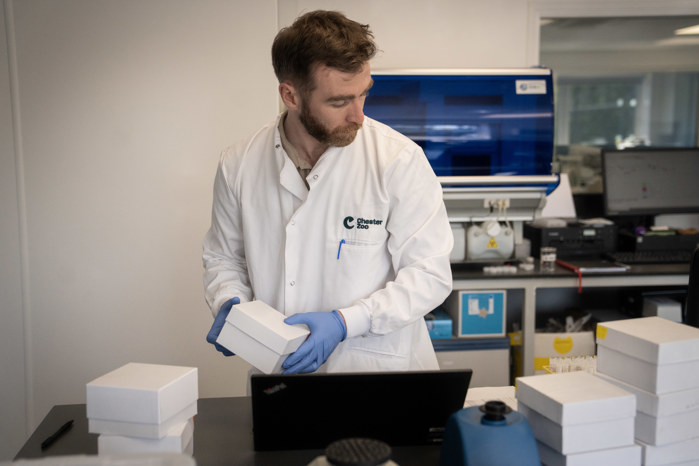
In addition, our lab takes in more than 400 biological samples from other zoos each month as part of conservation physiology diagnostic services. Since 2021, transfer processes have become deeply time consuming and sometimes unreliable, impacting long-term studies and restricting the science team’s ability to provide timely conservation breeding data and advice to partners.
Liaising with zoo colleagues from across the UK and Northern Ireland, our campaigners contacted more than 200 MPs and Peers, coordinated a joint CEO letter to the Prime Minister, secured parliamentary interventions, including from the Deputy Prime Minister, met with MEPs at the European Parliament and led a sector-wide social media campaign across the UK and Europe.
Jamie Christon, CEO of Chester Zoo, said:
“In 2025, we recognised the new Government’s commitment to strengthening relations with the EU as an important opportunity and spearheaded a sector-wide campaign to ensure conservation remained firmly on the political agenda.
“Today's announcement provides a clear and positive path forward. We now have that long-sought certainty that conservation transfers are part of the agreement and that barriers affecting international conservation programmes will be removed.
This will help strengthen the partnerships that underpin our work to prevent the extinction of hundreds of threatened species and secure a future for wildlife
Jamie Christon, Chief Executive Officer of Chester Zoo