'Extinct' snail officially saved with help from Chester Zoo conservationists
The greater Bermuda snail, once thought lost forever, has been declared safe from extinction - a landmark moment hailed as "once in a career" by the team behind it.
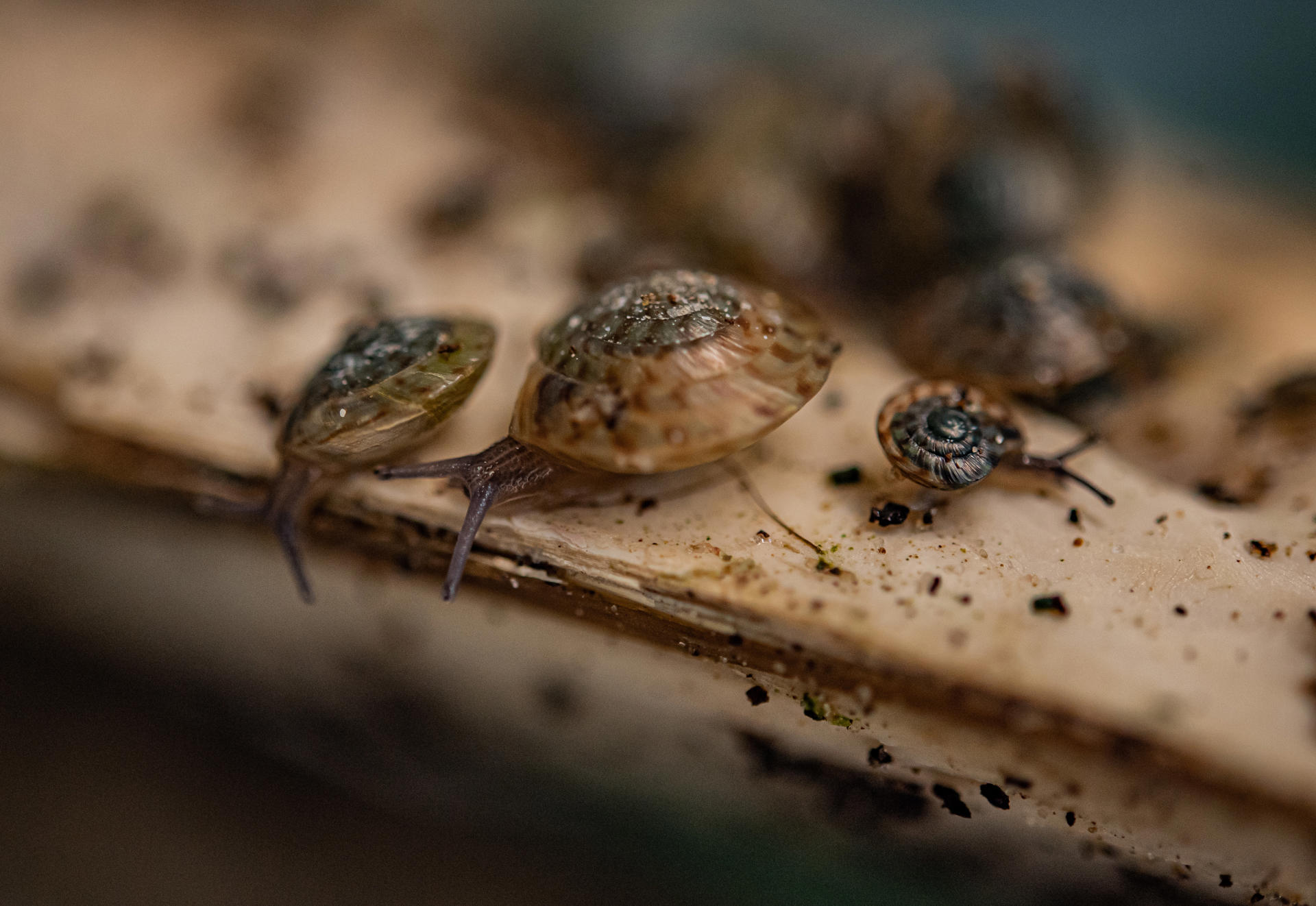
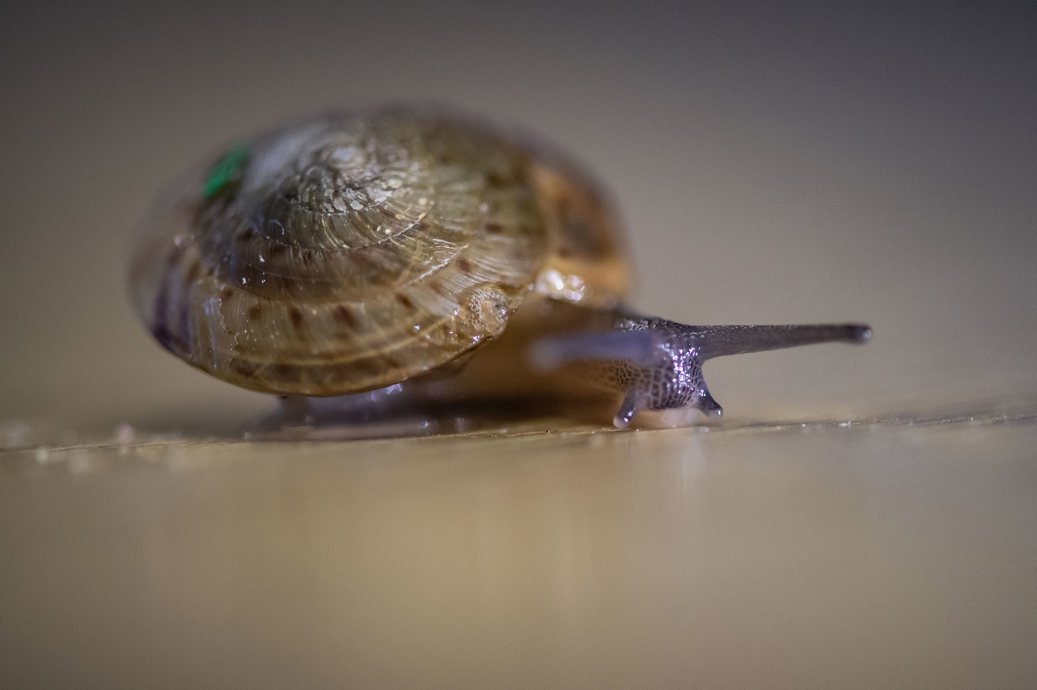
A button-sized snail once thought extinct has been officially saved after conservationists bred and released more than 100,000 into the wild.
The greater Bermuda snail (Poecilozonites bermudensis) was believed to be lost forever until a small surviving population was rediscovered in an alleyway in Bermuda’s capital, Hamilton, a decade ago.
Now, following an international effort, the species has been confirmed as safe and secure.
This landmark success was made possible by a partnership between the government of Bermuda, a conservation researcher from the Canada-based organisation Biolinx Environmental Research, and Chester Zoo, where thousands of snails were carefully bred before being returned to Bermuda.
Our expert team bred the snails in specially designed pods at the zoo and painstakingly released them in protected woodland habitats. Keepers adapted existing snail husbandry methods to find the best conditions for P. bermudensis to multiply. Their findings are now part of the first conservation breeding guide for the species.
It’s an incredibly good feeling to make a huge difference for a species, and something conservationists might get to say only once in their whole career
Gerardo Garcia, Animal & Plant Director at Chester Zoo
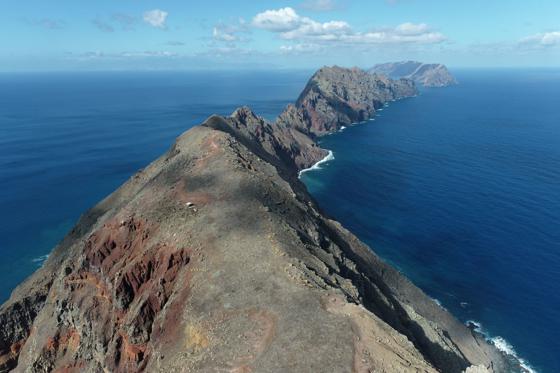
Six colonies of the released snails have successfully established in Bermuda, an archipelago situated in the north Atlantic Ocean, six hundred miles from the nearest mainland.
This was confirmed by an assessment of how the snails are faring, forthcoming in Oryx, The International Journal of Conservation.
Gerardo, who was among the team that bred the snails, continued:
"It is very rare for a team to be able to announce that, having brought animals into human care and released them, their work is done. The fact the snails are firmly established in six areas is massive."
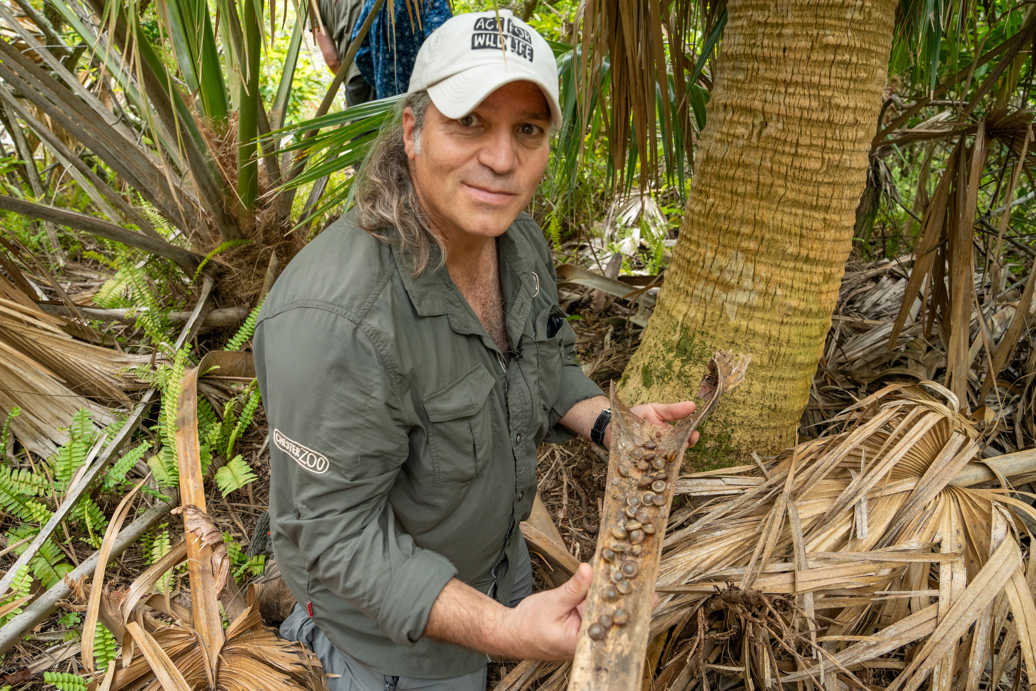
Endemic snails in Bermuda have been affected by habitat loss and climate change, and their decline was accelerated by the introduction of predatory ‘wolf snails’, and carnivorous flatworms which ate the much smaller native species.
Dr Kristiina Ovaska from Biolinx said:
“Bringing back the snails into their natural habitats is important for the conservation of this species and is part of restoring damaged ecosystems. The snails function both as prey for larger animals and as consumers of live and decaying vegetation, so they are vital for turning over nutrients within their habitat.”
The return of P. bermudensis was carefully planned. Reintroduction areas were selected and monitored in a process Dr Garcia described as ‘like a war game’, with expanding populations represented by flags on a map.
It has been extremely gratifying to be involved with this reintroduction programme. It is remarkable to think we only began with less than 200 snails and have now released over 100,000.
Dr Mark Outerbridge, a Wildlife Ecologist at the Department of Environment and Natural Resources in Bermuda