Fighting Extinction through Endocrinology
Our scientists have developed ways to test hormones without ever touching an animal - through 'smelly science'!
Science can support animal populations in the wild and in human care but checking and confirming fertility and pregnancies can be tricky in non-domesticated species.
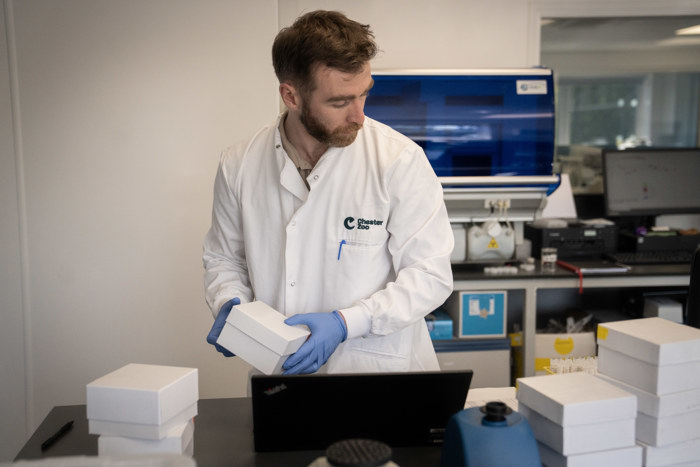
Our scientists have developed ways to test hormones without ever touching an animal, and it is all done through faecal sampling.
Since the early 2000s, our science team have used endocrinology testing of key species like okapis, sun bears and fossa, working with over 100 species to understand their biology and to support conservation breeding.
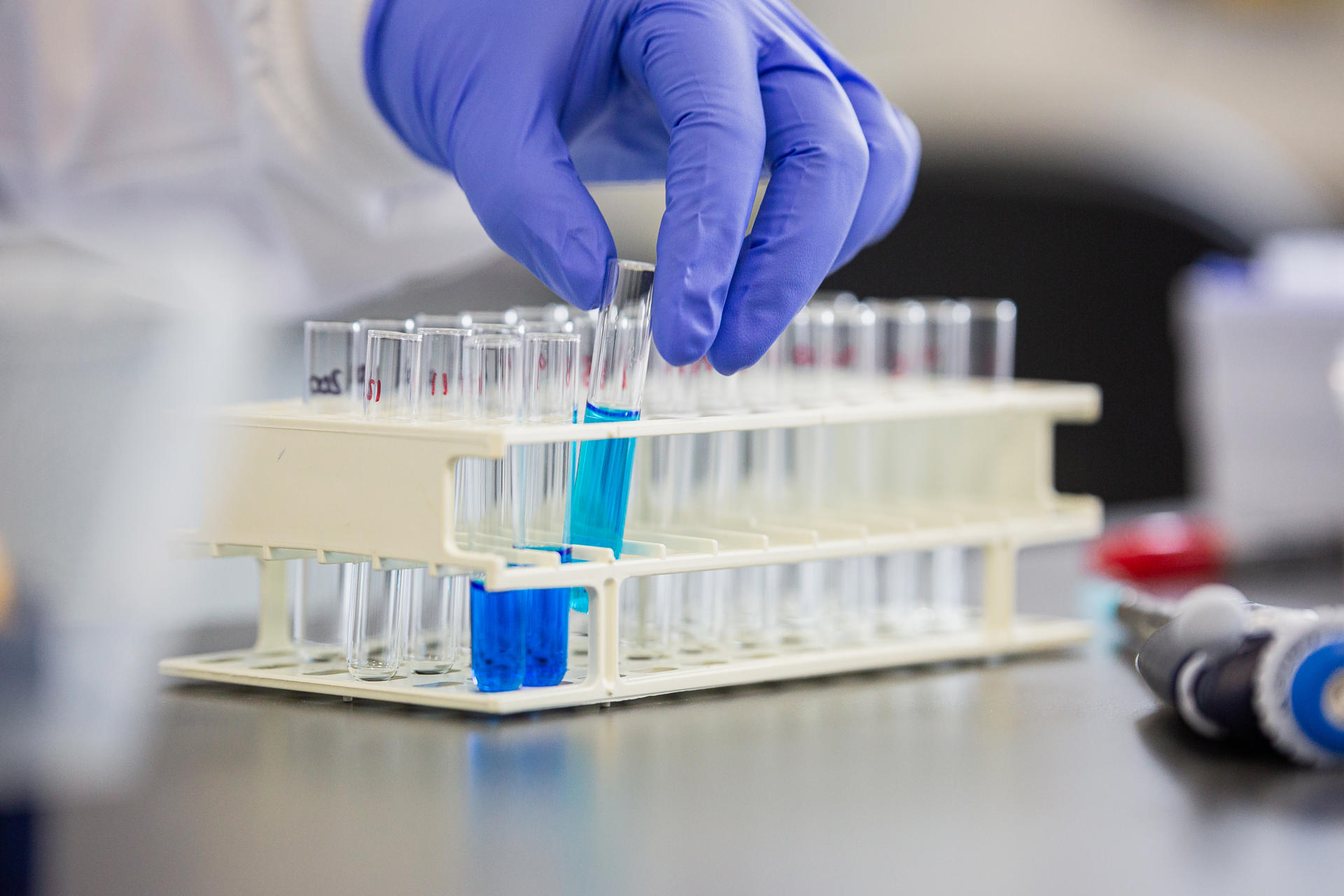
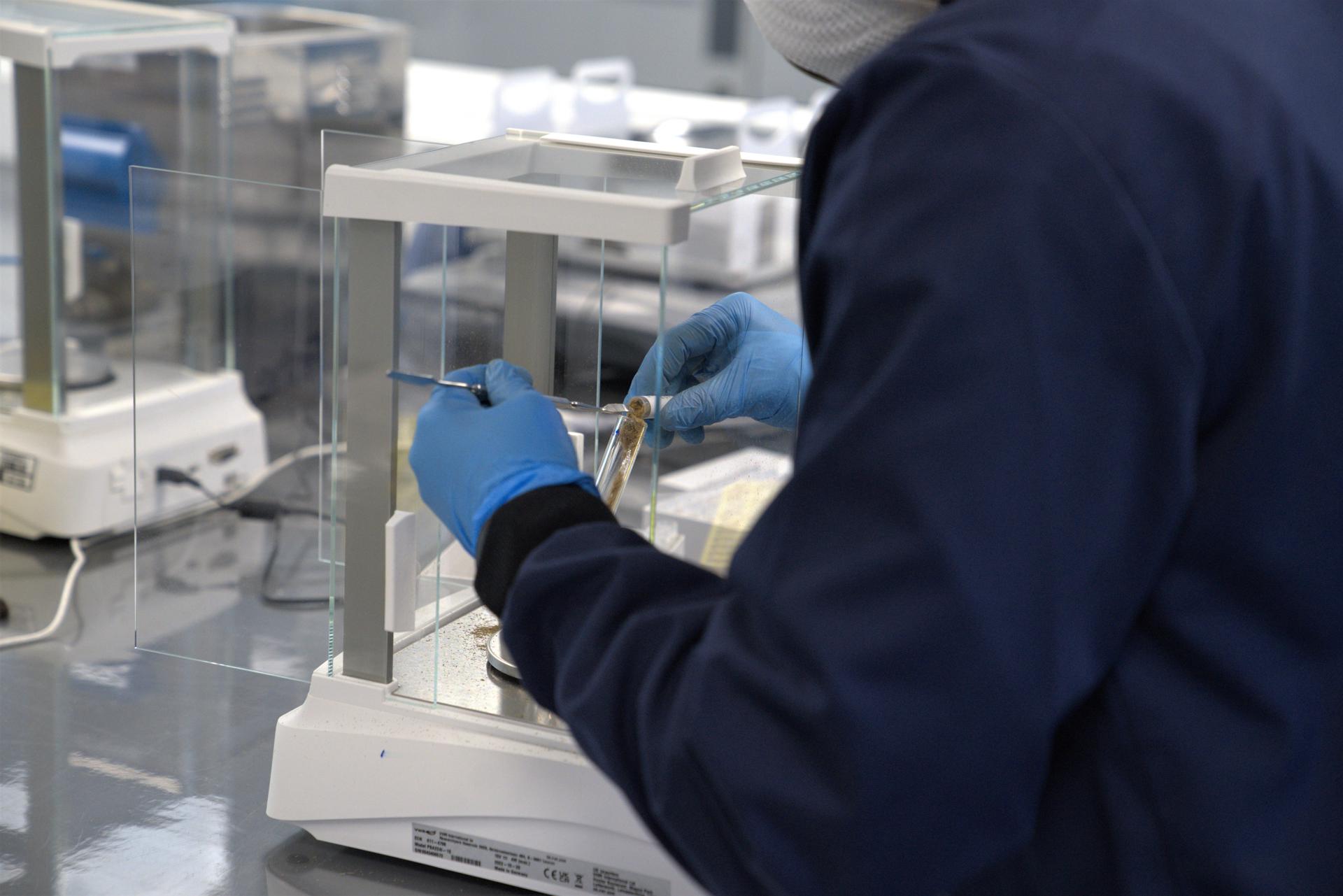
It involves taking dung samples, breaking them down and extracting trace chemicals to track fertility and pregnancy related hormones like progesterone and oestrogen. These are exactly the same hormones measured during fertility health tests in women, although the sampling methods are very different! 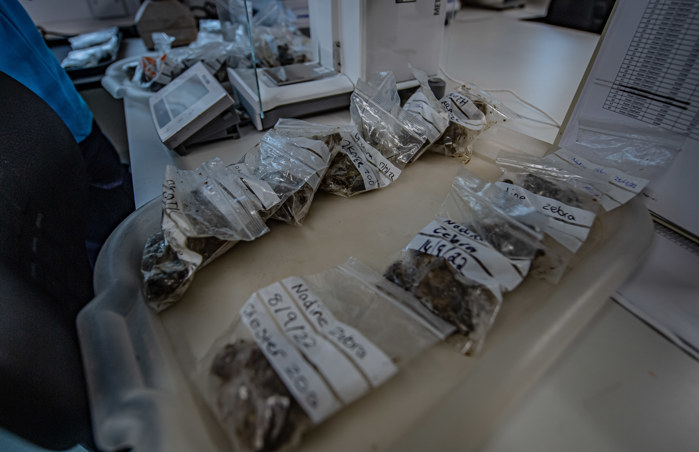
By analysing and tracking hormone changes, our scientists can build an accurate picture of a single animal’s fertility or confirm a pregnancy, so keepers can adapt diet and habitat for the expectant female.
It also helps build a better understanding of what it looks like on a physiological level when a species becomes receptive to mating or when they experience pregnancy.
This is useful in many ways. For instance, when we’re working with powerful species that are solitary before they come together to mate, like rhinos, these endocrinological insights allow us to better manage introductions safely and effectively.
This level of detailed knowledge is crucial to supporting a range of species in human care, all of them at risk in the wild. Habitat loss is a major issue for these animals.
Chester Zoo is involved in a host of European Endangered Species Programmes, helping maintain insurance populations of many species. Our endocrinology team supplies information on animals like:
• Critically Endangered black rhinos, at risk in the wild from habitat loss and poaching
• Endangered Grevy’s zebra under pressure in the wild because of competition with grazing livestock, vanishing water sources and hunting
• Critically Endangered northern giraffes, affected by deforestation, illegal hunting and drought
• Endangered tigers, which face threats from poaching, human-wildlife conflict and climate change, as drought and wildfires become more frequent in tiger territories
• Endangered anoas, whose numbers have dwindled due to logging of their forests and the loss of water sources
• Endangered Asian elephants, whose wild cousins have been devastated by habitat fragmentation, poaching, human-wildlife conflict and climate change
• Endangered bokiboky, whose Malagasy habitats have been damaged by logging or removed to make way for agriculture
By maintaining members of these species at the zoo, we’re making sure their precious genetics are preserved and new generations of rhinos, okapis and giraffes will be born. If numbers get too low in the wild, we can draw on the populations in human care to boost them – for instance, the descendent of a rhino looked after at Chester Zoo is now living in Rwanda. 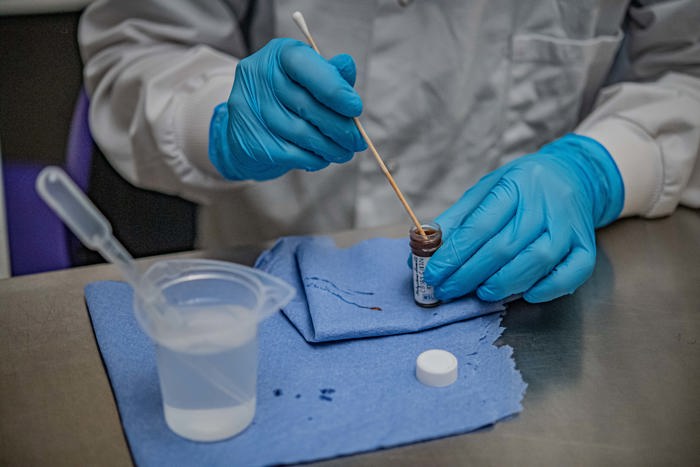
Since we started testing at the zoo, our endocrinology work and facilities have expanded. In 2024 we opened new labs and we now process roughly 400 samples collected here, and hundreds more sent in by zoos and sanctuaries across Europe, each month. In 2025, we collaborated with over 50 other zoos.
Since 2021 we have processed roughly 10,000 Asian elephant faecal samples from here and other zoos, enabling us to confirm 13 pregnancies! We’re also conducting vital research with ten previously under-studied species, so we can use this knowledge to support their conservation.
These methods are now being used to support animals in the wild too: read about our endocrinology work with rhinos in Kenya here: or find out more about conservation physiology here.