Five highly endangered secretarybird chicks hatch at Chester Zoo
Bird experts at the zoo have achieved the first-ever breeding of a secretarybird in our 95-year history.
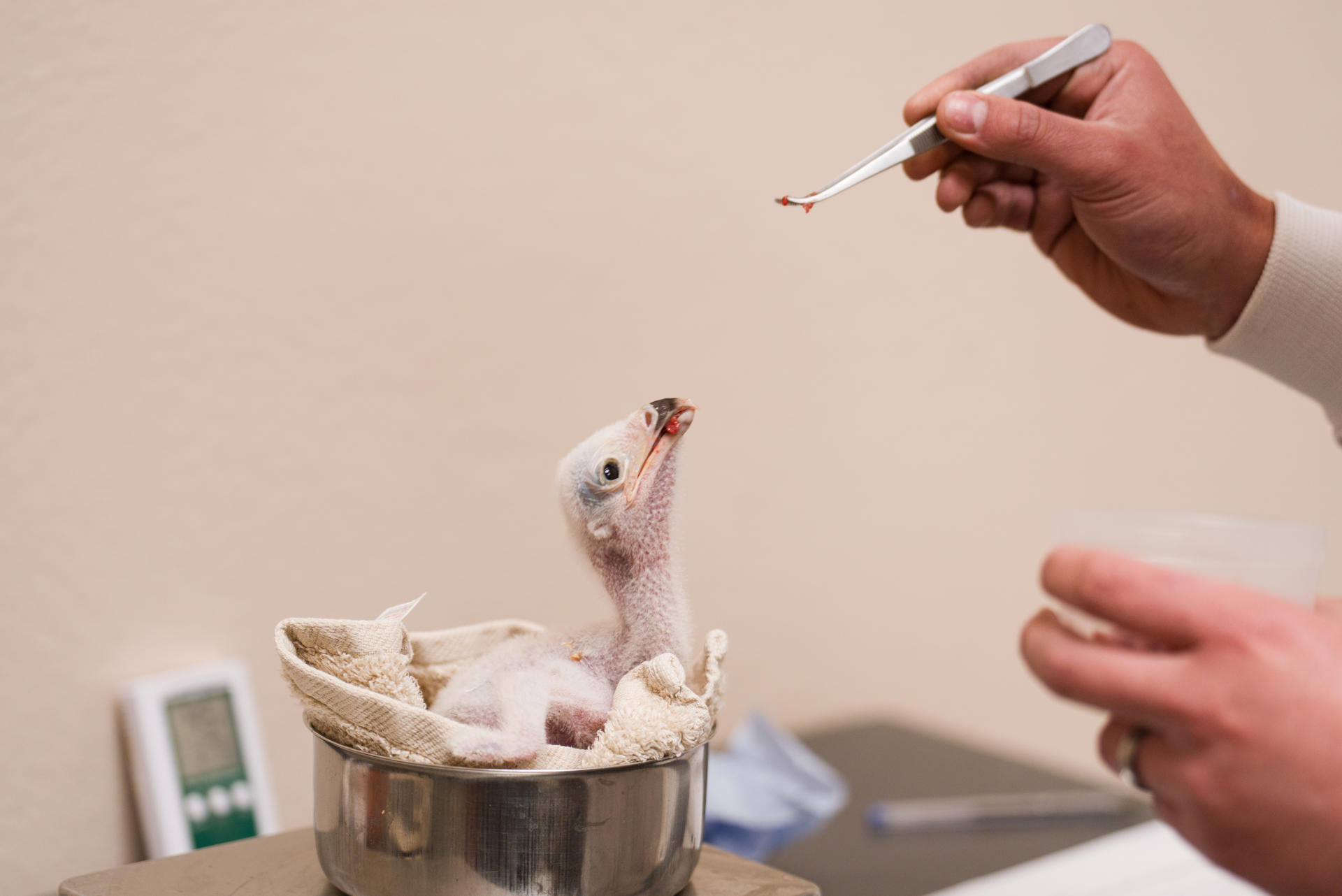
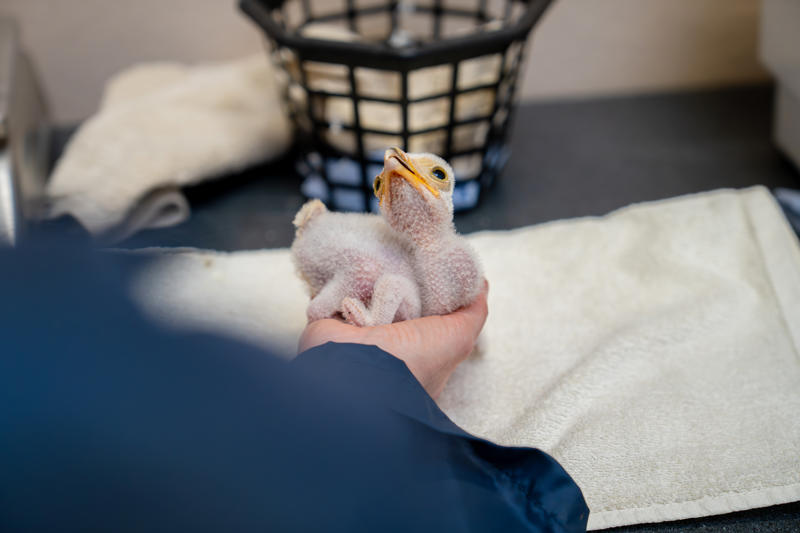
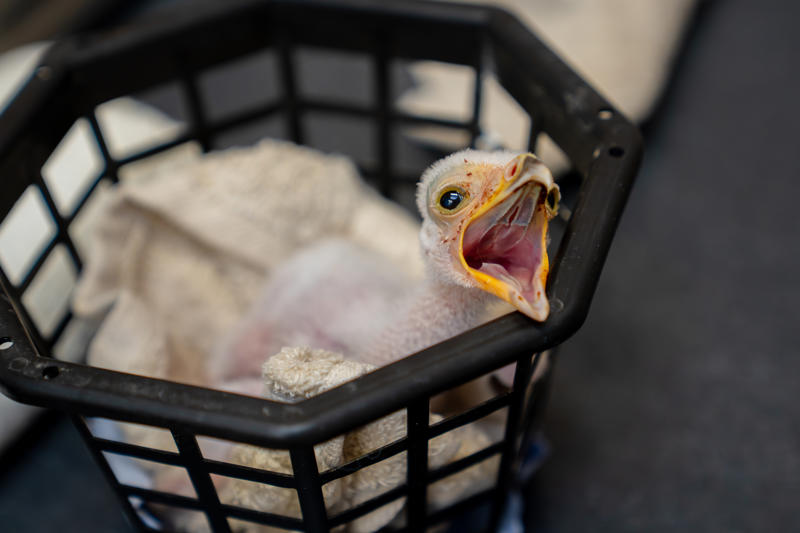
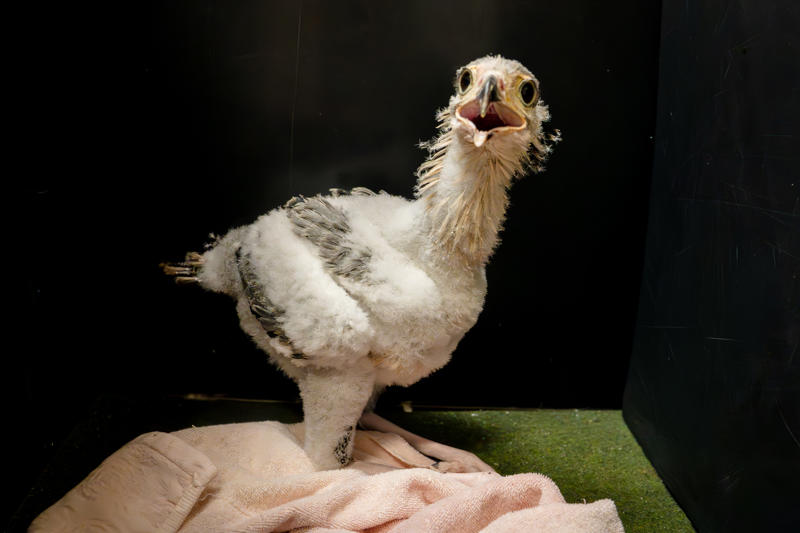
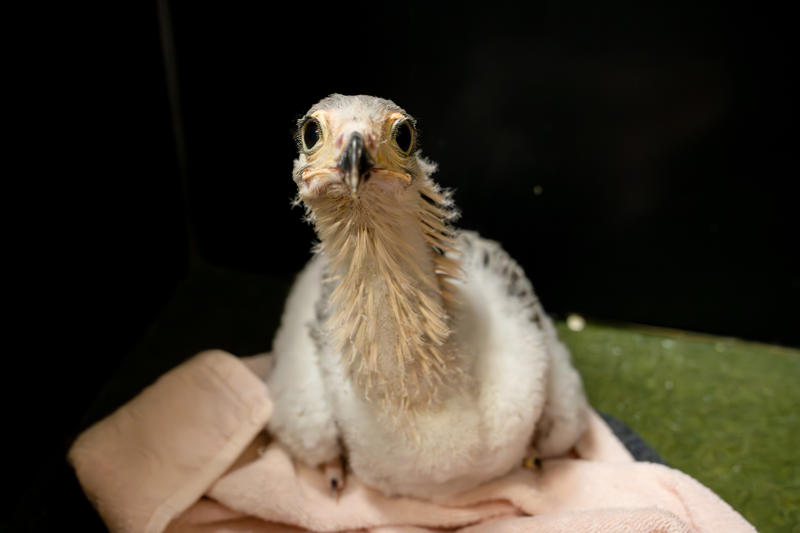
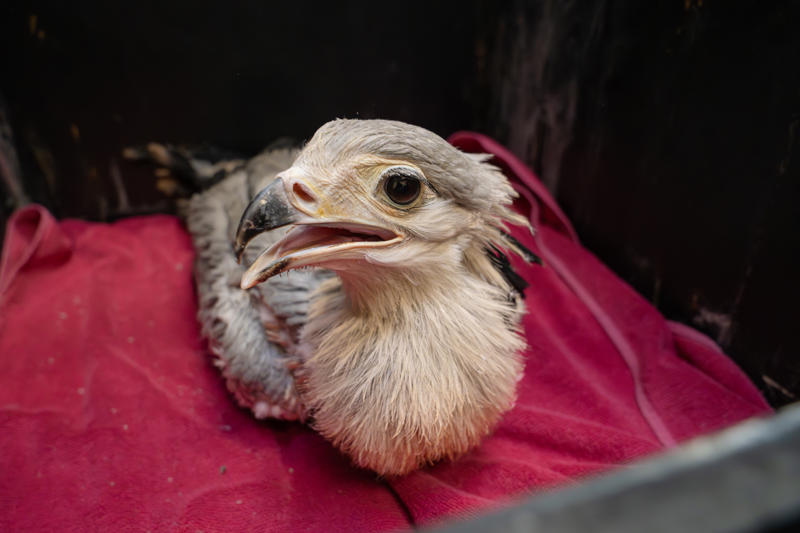
Five secretarybird chicks have hatched at Chester Zoo in a landmark breeding breakthrough that we hope will help secure the future of the endangered species.
The arrival of the chicks marks the first time secretarybirds have bred at the zoo in our 95-year history.
The chicks hatched to parents John and Jolene, who arrived at the zoo as part of coordinated international efforts to safeguard the future of one of Africa’s rarest birds of prey.
Our national conservation zoo is one of only a handful of UK zoos caring for secretarybirds. Across the entire European conservation breeding programme there are just 79 birds and, in the last 12 months, only three other chicks have hatched elsewhere.
Our experts believe the techniques developed here in Chester could now help other conservation zoos boost breeding success across Europe.
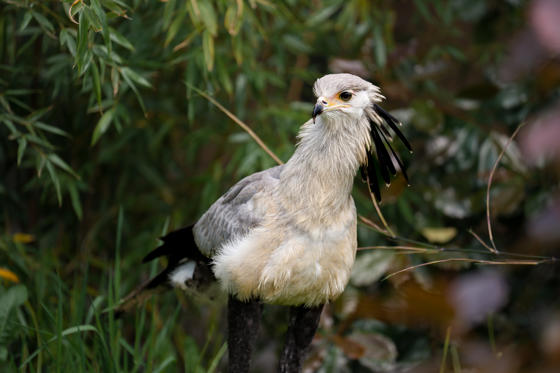
Secretarybirds are among the world's most unusual birds of prey. Unlike eagles and hawks, they can also hunt on foot, striding across African grasslands on long, thin legs in search of prey. Their scientific name, Sagittarius serpentarius - meaning "the archer of snakes" - reflects their remarkable ability to hunt and kill venomous snakes by stomping on them.
"Seeing five healthy chicks hatch in such a short space of time is an incredible achievement for everyone involved."
Jamie Cartwright-Stock, Bird Keeper at Chester Zoo
Jamie continued:
"Since John and Jolene arrived at the zoo only a few years ago, we’ve spent a considerable amount of time learning everything we can about their courtship behaviours, breeding biology and exactly what conditions they need to reproduce successfully. We've refined every aspect of their care in a special behind-the-scenes breeding facility at the zoo to reach this point - it really feels like we've reached a major breakthrough.
"We still have so much to learn though, particularly about how secretarybirds are reared and how the youngsters develop. Given how precious those first chicks were, we decided to hand-rear them and document every stage of their development, recording everything we learned so it can now be shared with other conservation zoos and strengthen the breeding programme globally. Since then, John and Jolene have gone on to hatch and successfully rear three more chicks themselves."
In recent decades, secretarybird numbers have declined dramatically as vast areas of Africa's grasslands have been lost to agriculture and urban development, reducing both their habitat and the prey they rely on to survive. Today, it’s estimated that as few as 6,700 birds remain in the wild.
As numbers continued to plummet, the species was uplisted in 2020 to the ‘endangered’ status on the International Union for Conservation of Nature’s (IUCN) Red List - the second highest category of conservation concern before extinction in the wild.
"Every chick hatched in conservation zoos is becoming increasingly important for the future of this remarkable species. With five new chicks, we’re playing a leading role in the conservation of these incredible birds."
Andrew Owen, Head of Birds at Chester Zoo
Andrew continued:
"Secretarybirds have disappeared from parts of Africa where they were once common, making breeding successes like this more important than ever. By monitoring and sharing everything we learn about these chicks, we can help improve breeding success across the entire safety-net population in zoos. Combined with efforts to protect habitats in the wild, that gives threatened species like the secretarybird the best possible chance of long-term survival."
The breeding breakthrough comes just a year after we opened our Heart of Africa zone, the largest zoo habitat in the UK, which is home to more than 50 threatened African species and supports our wider conservation work to protect wildlife across the continent.