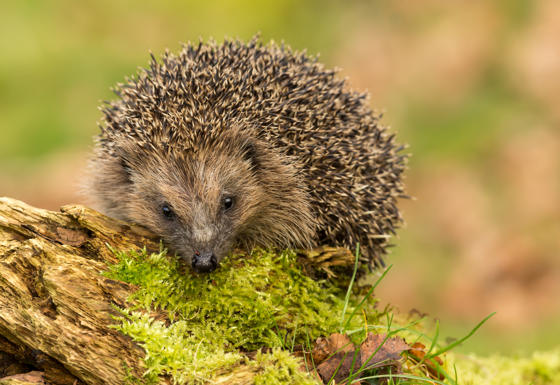
Garden cam reveals hidden lives of UK hedgehogs
New study finds food plays a major role in where hedgehogs choose to visit.
A major study led by Chester Zoo has uncovered new insights into how hedgehogs use gardens – and the impact of feeding them.
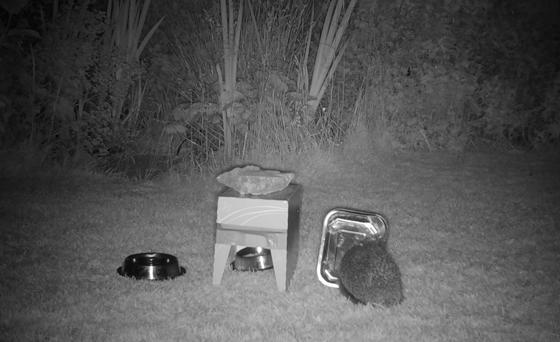
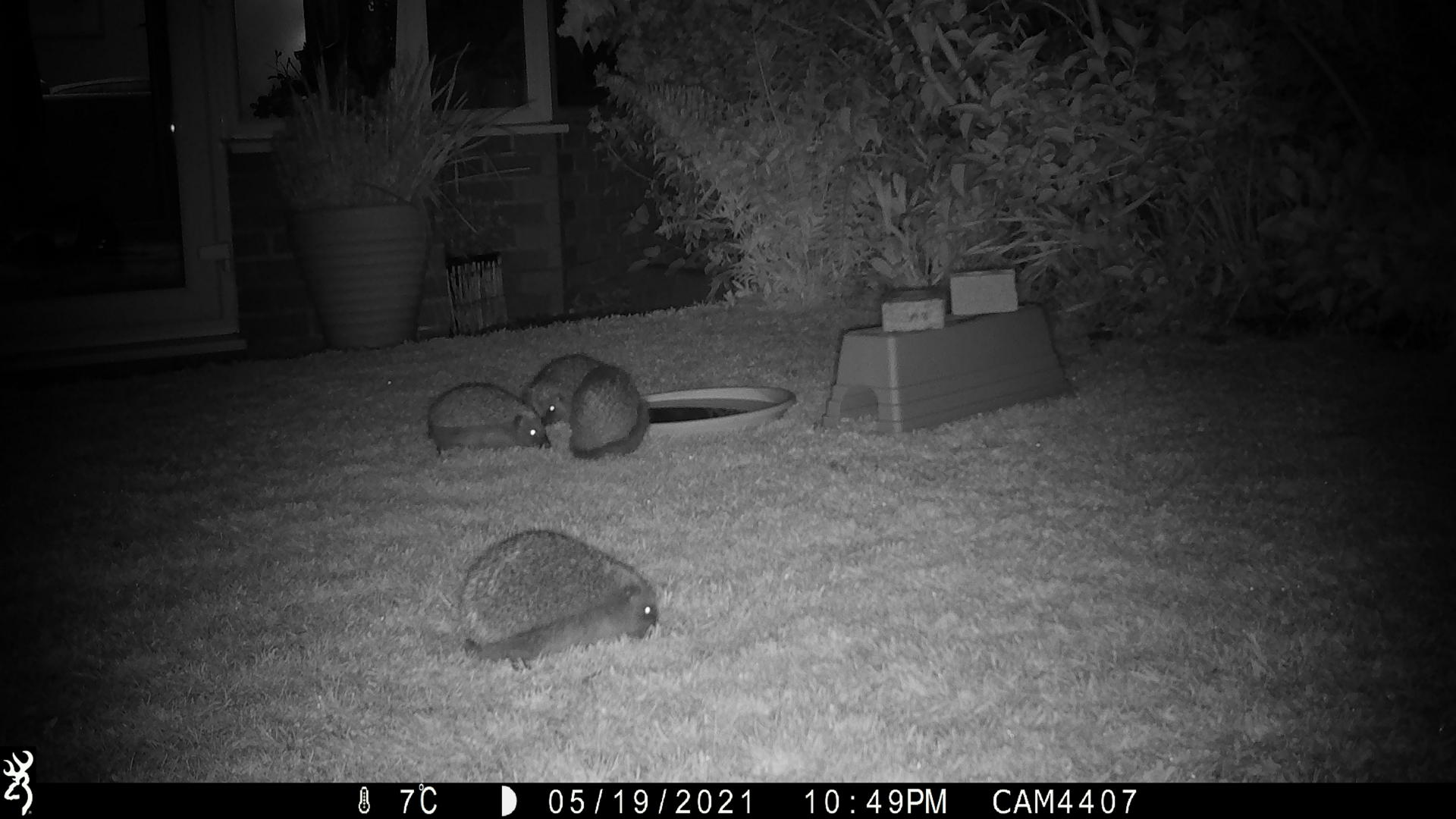
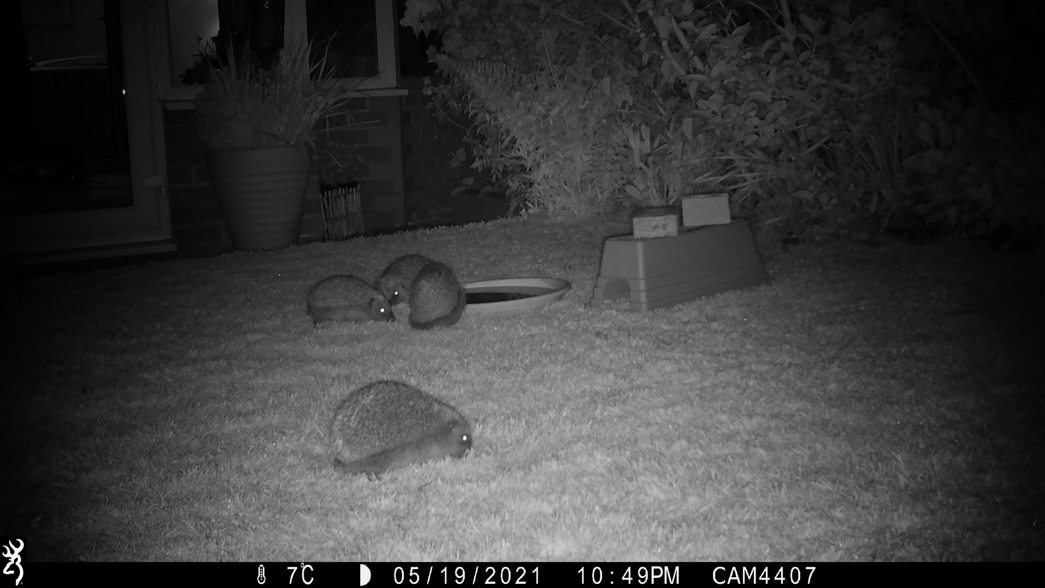
More than 400 households across Cheshire took part by setting up motion-sensitive cameras in their gardens. The result? Thousands of images capturing the elusive movements of one of Britain’s most loved, yet vulnerable, wild mammals.
The study, carried out in collaboration with Nottingham Trent University, forms part of our Hedgehog Watch project and is believed to be one of the largest garden wildlife camera studies in the UK.
Hedgehogs were recorded in 57% of gardens, showing how important private green spaces are for the species.
In fact, researchers found that food had the most significant impact on hedgehog activity:
- 78% of gardens offering hedgehog food recorded visits
- 53% of gardens with bird food on the ground saw hedgehogs
- Only 46% of gardens without any food had hedgehogs present
- But just 28% of the gardens surveyed were actively leaving out food for hedgehogs.
While feeding may attract hedgehogs, experts warn it’s not always straightforward.
Supplementary food clearly affects where hedgehogs go. But it can also increase disease risk, alter hibernation patterns, and even encourage unnatural interactions between species.
Kelly Hitchcock, PhD student at Nottingham Trent University and Chester Zoo’s Conservation Scholar.
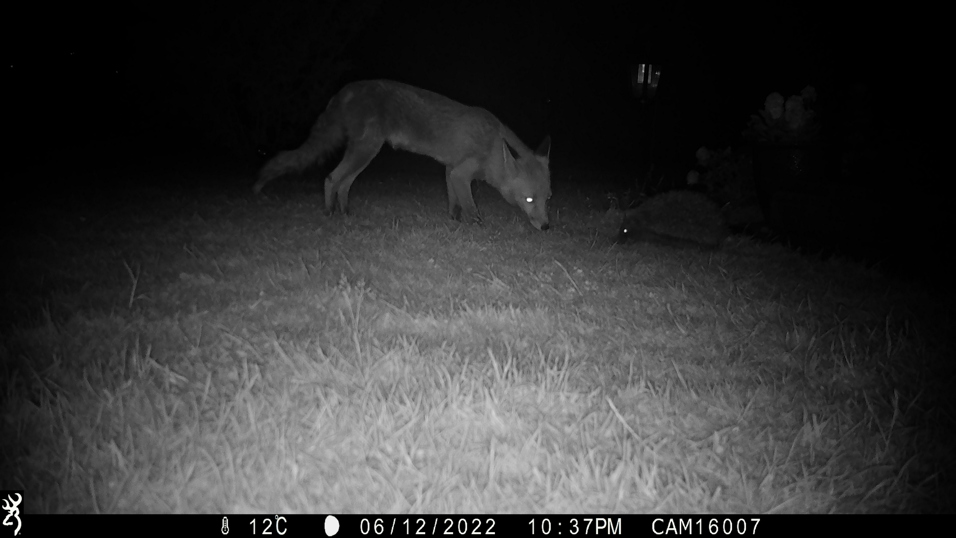
In one striking example, trail cameras captured hedgehogs and foxes feeding from the same bowl - an unusual sight, and one that may raise concerns for hedgehog safety.
The study also assessed ponds, flower beds, overgrown areas and other wildlife-friendly features. These were less influential than food, but researchers say they still play an important role.
“This study gives us valuable insight into how hedgehogs behave in urban spaces,” said Kelly.
“But it’s just one part of the picture. Gardens that include shelter, water and wild corners remain crucial for biodiversity.”
Gathering footage from private gardens is often difficult, but this project shows what’s possible when communities get involved.
We couldn’t have done it without the public. This was a huge, collaborative effort that revealed behaviours we rarely get to see.
Leah Williams, our Lead Conservation Scientist in Population Biology.
Many participants were surprised to discover they had hedgehogs visiting at all - particularly as the animals are nocturnal and often unseen.
“It’s a lovely way to connect with the wildlife just beyond your doorstep,” Leah added.
Take action for hedgehogs
Want to make your garden hedgehog-friendly? Try these simple tips:
- Leave a small gap in your fence to create a ‘hedgehog highway’
- Avoid pesticides and slug pellets
- Provide shelter with logs, leaves or wild corners
- Seek expert advice if you plan to provide food
The study is published in the journal Urban Ecosystems and will help guide future research into hedgehog conservation, including how they coexist with foxes and badgers.
Help protect UK wildlife
Run for Nature is back on Sunday 29 March 2026.
Take part in our 5k, 10k, or children’s Zoom run and raise vital funds to protect at-risk species right here in the UK – including hedgehogs, harvest mice and otters.