Meet Rana: Rare babirusa piglet born at Chester Zoo
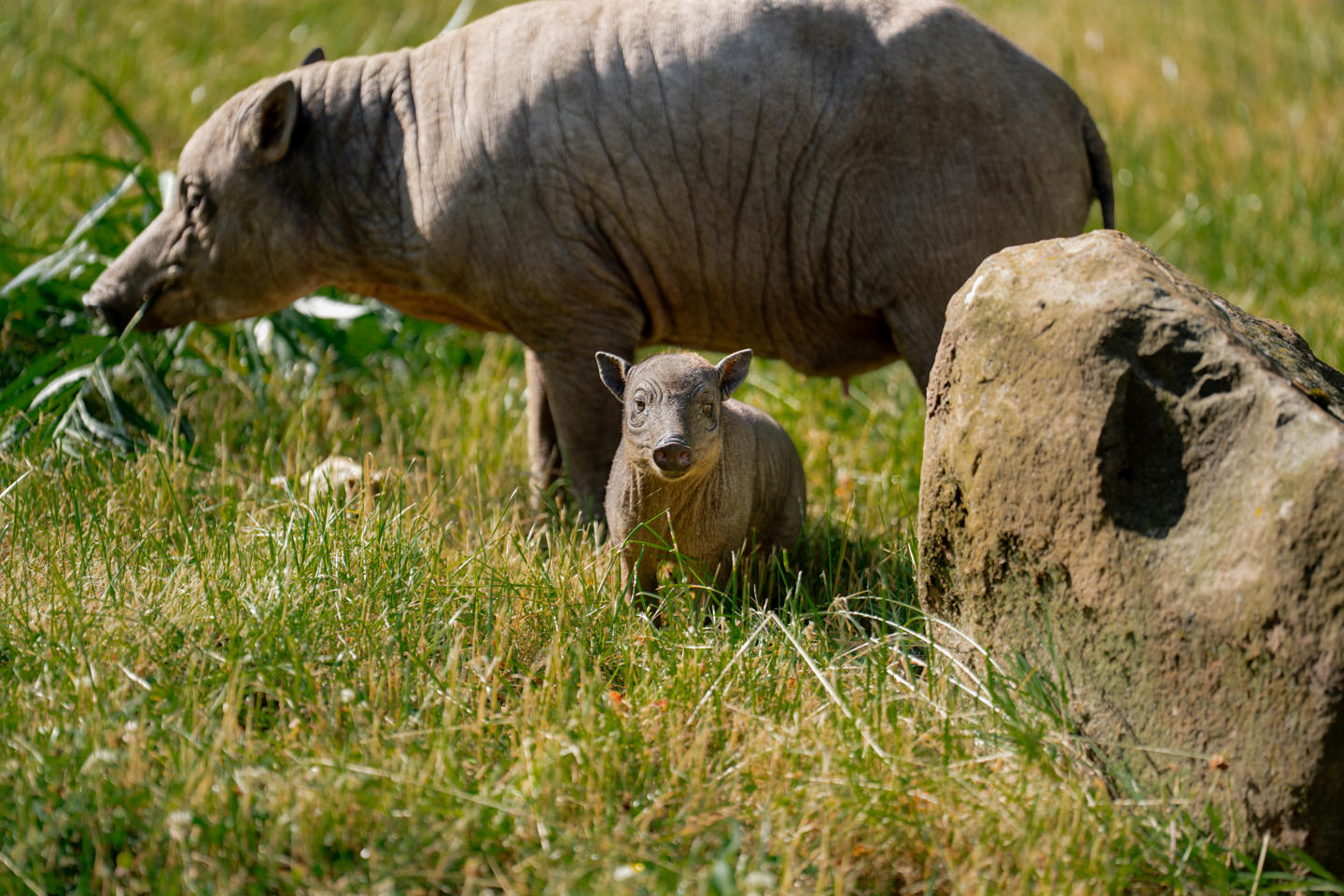
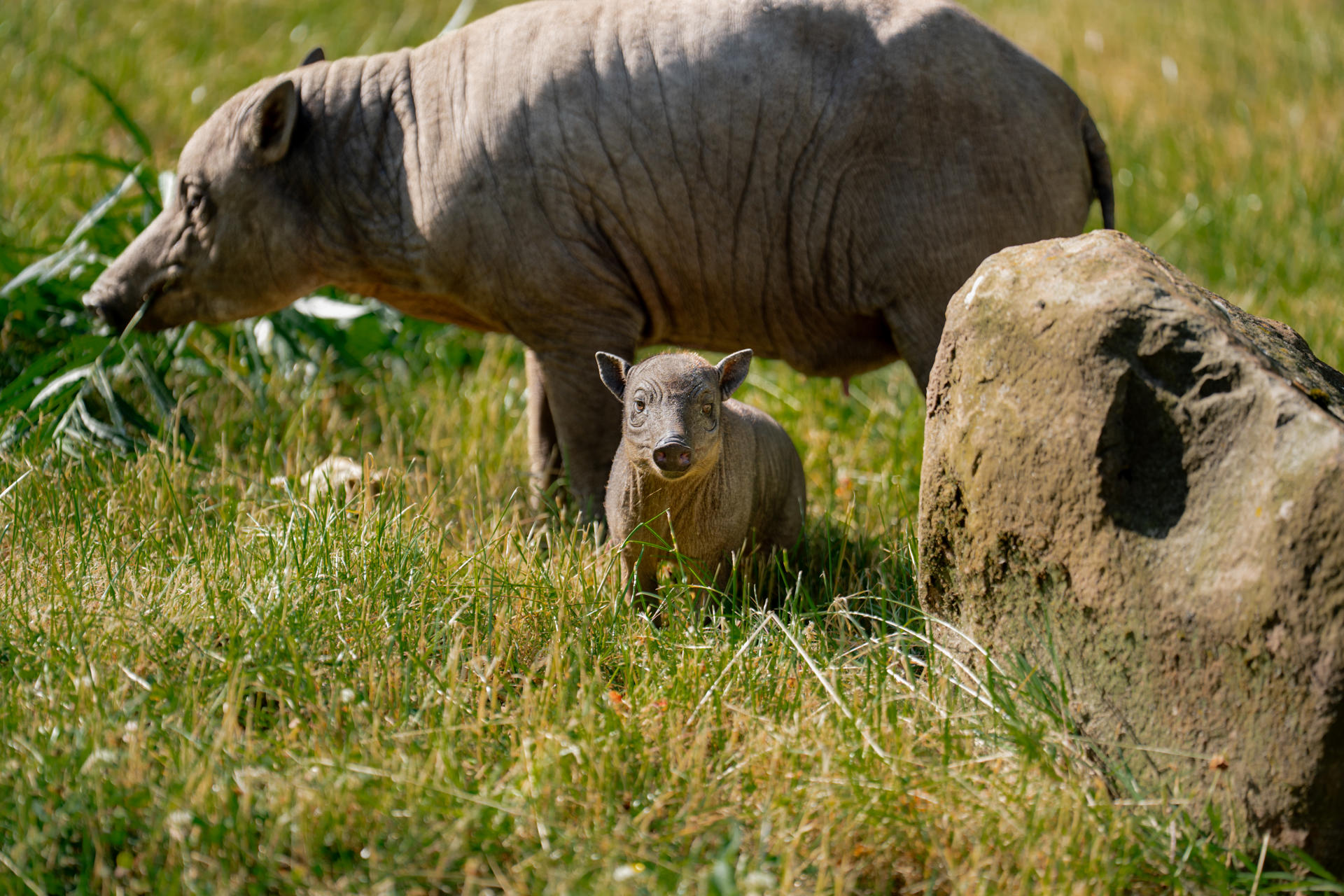
We've welcomed a rare babirusa piglet at Chester Zoo, giving hope to a species found on just four Indonesian islands and increasingly threatened in the wild.
Little Rana is a babirusa, a species found on just four Indonesian islands. Until recently, they were considered Vulnerable to extinction by the International Union for the Conservation of Nature (IUCN), but they will shortly be uplisted to Critically Endangered.
A special new arrival
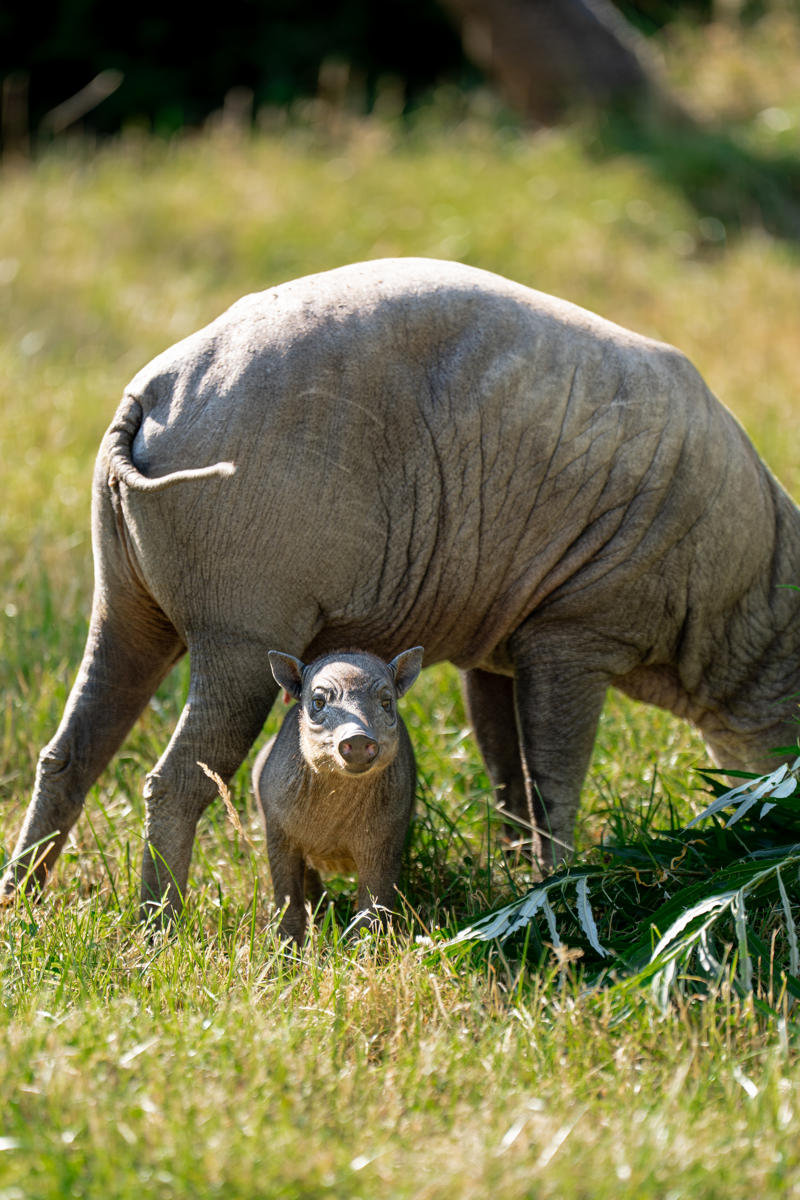
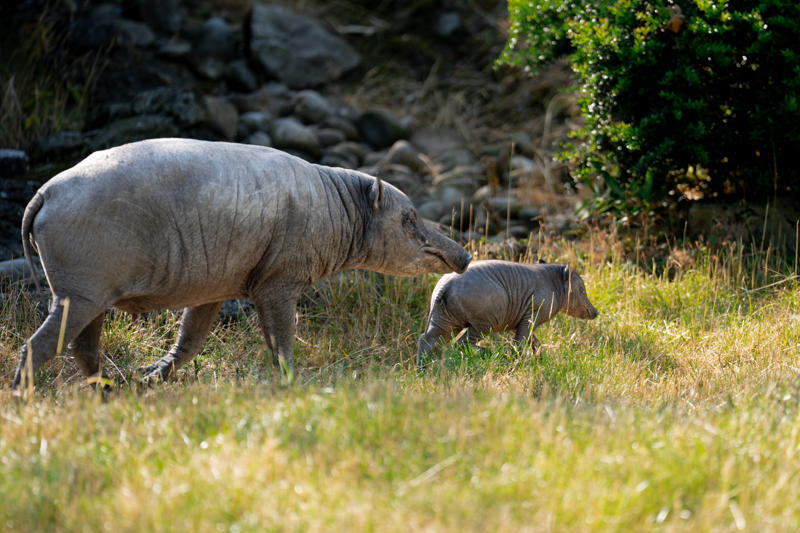
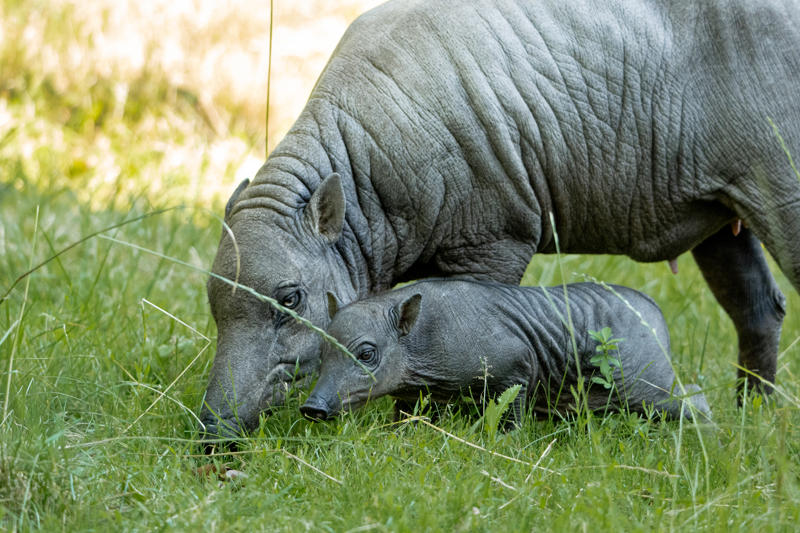
Babirusa piglets typically weigh between 300 and 500 grams. Rana is the fifth piglet born to mother Matano, who was herself born at the zoo 11 years ago and now has descendants living in zoos across Europe.
Babirusa pregnancies are unusually predictable, with almost every birth at the zoo has arrived after exactly 161 days of gestation. Keepers began counting down once Matano was seen with male Bamm Bamm early this year, later giving her a quiet, private space and extra bedding to prepare for the birth.
Unlike most pigs, babirusas typically have just one or two piglets at a time rather than large litters. This is one reason their numbers recover slowly when wild populations are hit hard. New mothers are also highly sensitive to disturbance, so keepers kept an eye on Rana and Matano remotely via a baby monitor until the pair were ready to be seen in public.
“This is the first babirusa birth we've had here for a few years, and Rana is a very special little lady. When she was born, she was tiny - about the size of a grapefruit, with legs. She's grown a lot and is doing really well."
Hannah Owens, Assistant Team Manager at Chester Zoo
Hannah continued:
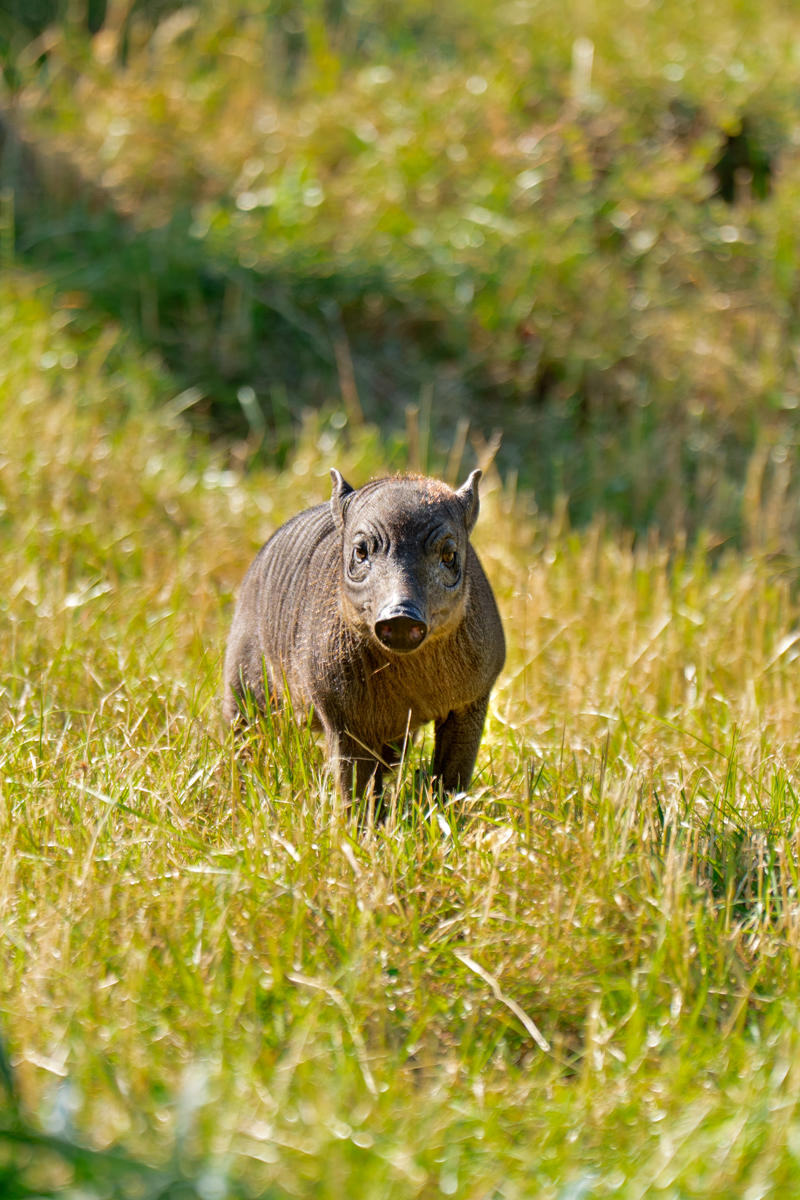
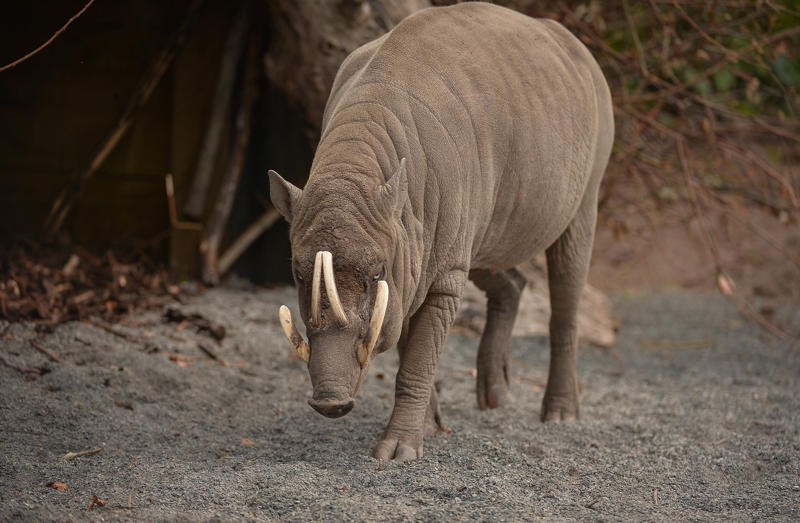
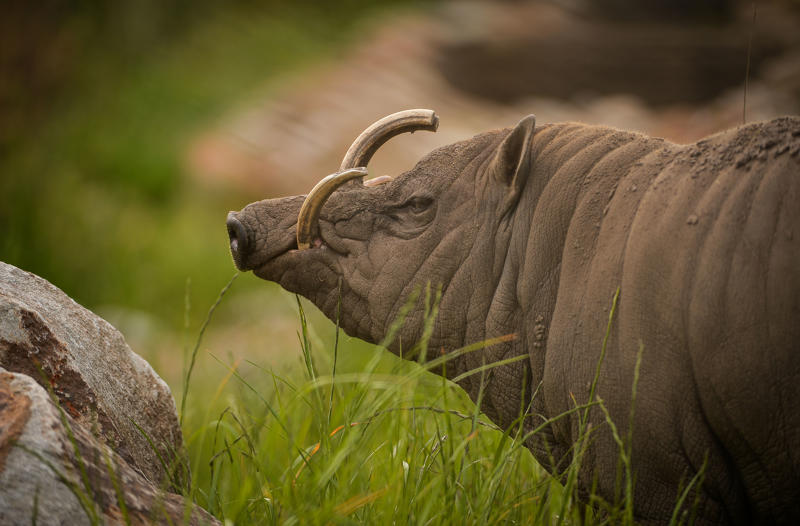
“Babirusas are unique. Their name means 'pig-deer' in Malay, because of their distinctive look. They're much less hairy than other pigs - Rana had ginger fuzz when she was born, but that's gone now. Males are the only pigs whose upper tusks erupt through the snout bone and curve back towards their face.”
Threats in the wild
Since African swine fever reached the islands around five years ago, wild populations have gone into rapid decline, and experts fear the disease could push babirusas towards extinction if action isn't taken.
Babirusas have long faced other threats to their survival. For many years, they were targeted by hunters for meat across Sulawesi in Indonesia. Today, they are also under pressure from the loss of the rainforest habitat they depend on, as land is cleared for farming and development.
As their future in the wild becomes increasingly uncertain, zoo breeding programmes like ours play an important role in safeguarding the species against extinction.
Amy Humphreys, Programme Coordinator at Chester Zoo, is part of Action Indonesia, which is contributing to the Indonesian government’s new plan to save babirusas in the wild.
She witnessed the catastrophic drop in babirusa numbers reflected in a recent camera trap study set up in Sulawesi with Chester Zoo’s support. The study only recorded two instances where babirusas were photographed across the whole of 2023 and 2024.
“We are in a race against time to understand what’s happening to the population. Babirusas are important to island ecosystems as they drop seeds as they forage, helping forest regeneration, and they are a key indicator species for overall ecosystem health, but their situation is bleak."
Amy Humphreys, Field Programme Coordinator at Chester Zoo
Amy added:
“We risk losing a truly unique species, one that’s an important part of Indonesia’s cultural and natural heritage and one of the oldest pig species still living. Because of all this, Rana’s arrival is worth celebrating. Her birth is a chance to shine a light on babirusas and show people why they deserve protection.”
What we're doing to help
Our conservationists work with partners to protect wild babirusa populations through the Action Indonesia Global Species Management Plans - helping design camera-trapping projects to monitor babirusas on Sulawesi, working with partner organisations to locate and protect surviving populations, and sharing conservation breeding expertise that has helped Indonesian colleagues breed at least 17 babirusas towards national cooperative breeding targets.
What you can do to support us
Every visit to the zoo helps support our vital conservation work, both here and around the world. From booking a ticket to picking up a cup of coffee or a cuddly toy during your day out, every purchase contributes to protecting threatened species like the babirusa.
There are lots of ways to support our work, including making a donation, becoming a Patron, adopting an animal, or simply visiting the zoo. Together, your support helps us care for endangered species, fund conservation projects in the field, and inspire future generations to act for wildlife.