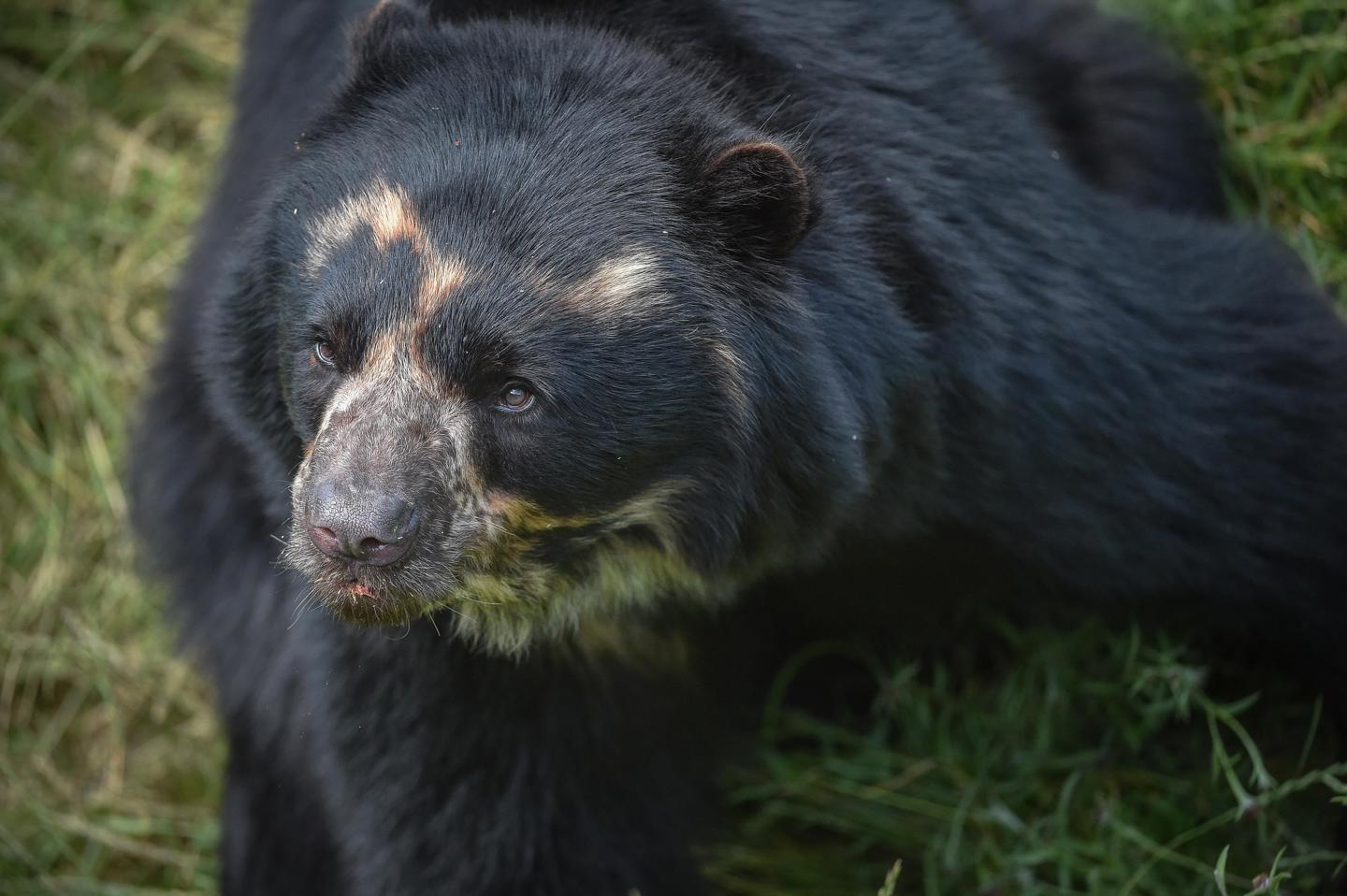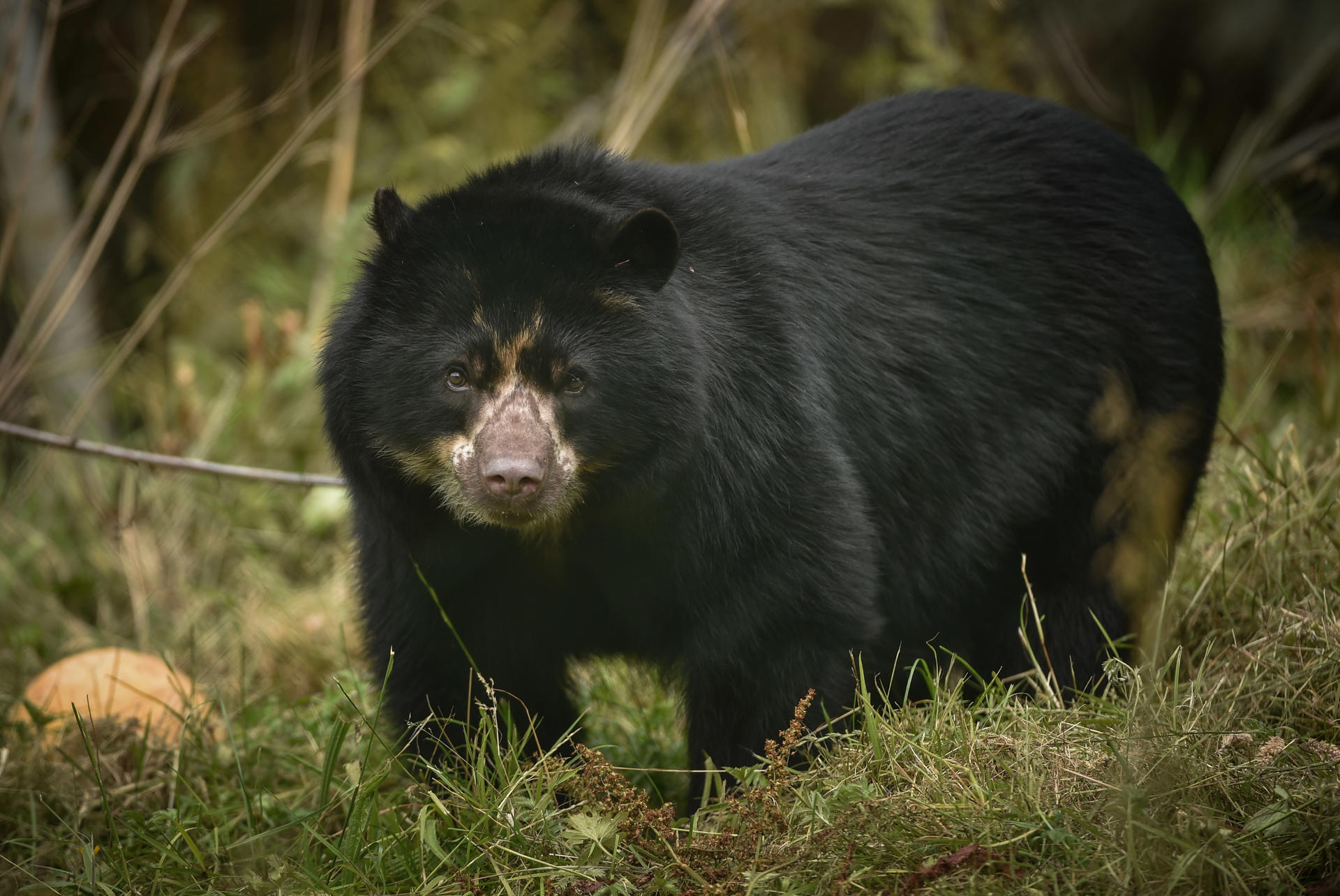
One week to help save the highly threatened home of Andean bears
From April 22-29 we're urging animal-lovers to donate through Big Give, a match-funding platform that will double every pound given, to help give Andean bears a future.
Chester Zoo supporters have one week to raise £20,000 and help secure a future for real-life Paddington bears.
We're urging animal-lovers to take part in Big Give’s Earth Raise fundraiser between April 22-29 to protect the fragile forest home of Andean bears.
Over this week, every donation will be match-funded to support the zoo’s ongoing Andean Carnivore Conservation Programme, which protects bears, jaguars and other at-risk species living in the precious but highly threatened Inter-Andean dry forests of Bolivia.
Big Give is a national, annual fundraising campaign dedicated to helping charities that are playing a vital role in tackling pressing conservation issues.
Andean bears are Vulnerable according to the IUCN Red List of Endangered Species, and share their habitat with Endangered tapeti rabbits and Critically Endangered Bolivian chinchilla rats.
"Andean bears are the largest land-based carnivore in Latin America and are the inspiration behind the beloved Paddington Bear books. As seed distributers and trail-makers, they are important to the health of their habitats."
Paul Bamford, Regional Field Programme Senior Manager for Latin America
Paul continued:
"But two thirds of Andean bears live outside legally protected areas. They survive alongside marginalised communities that have been pushed to rely on sources of income that damage bear habitats, including cattle farming. By working with communities to safeguard the bears, we safeguard the landscape, too."
Andean bear habitats have shrunk dramatically over the last century. Cattle farming causes soil erosion and depresses forest growth, which is a major problem in a region that has lost 94% of its original forest cover.
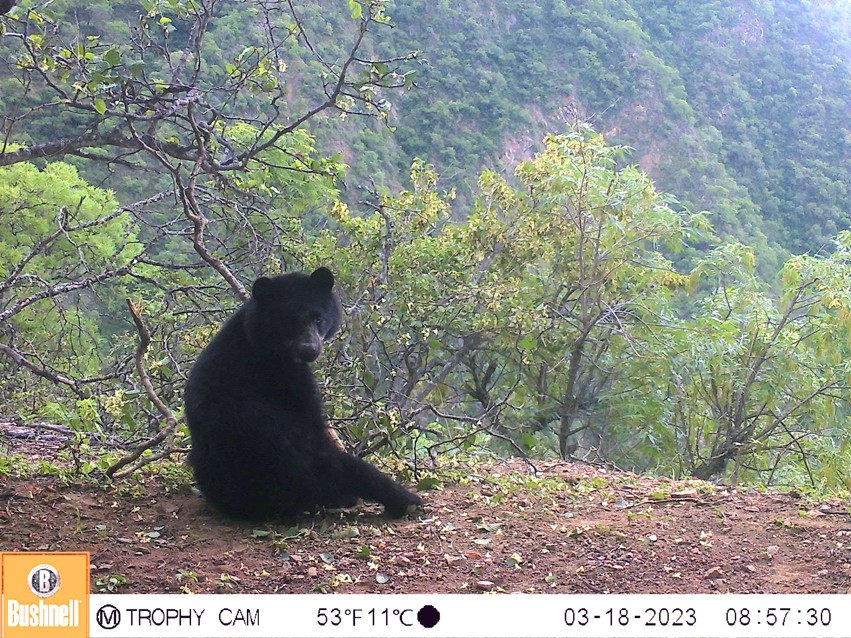
In addition, Andean bears are shy and gentle giants, preferring a mostly vegetarian diet, but they are sometimes killed in retaliation for unexplained livestock losses.
The Andean Carnivores Conservation Project monitors bears and carries out vital wildlife research in the Tarija region of Bolivia. It also supports communities to adopt forest-friendly income streams, relieving pressure on the local ecosystem.
Chester Zoo field conservationist Ximena Velez-Liendo, a bear expert based in Bolivia, has been working to conserve the landscape and promote positive human-carnivore coexistence for decades.
"I’ve spent my entire professional life working with bears, and it has been amazing to see this project evolve. We’re helping people and wildlife survive and thrive."
Dr Ximena Velez-Liendo
Dr Velez-Liendo became a passionate advocate for carnivore conservation the moment she saw her first wild bear. Since the Chester Zoo-backed project launched 10 years ago, her research has uncovered a previously unknown bear population, tracked the presence and movements of key mammal species, and has built an increasingly detailed picture of the dry forest ecosystem.
She continued:
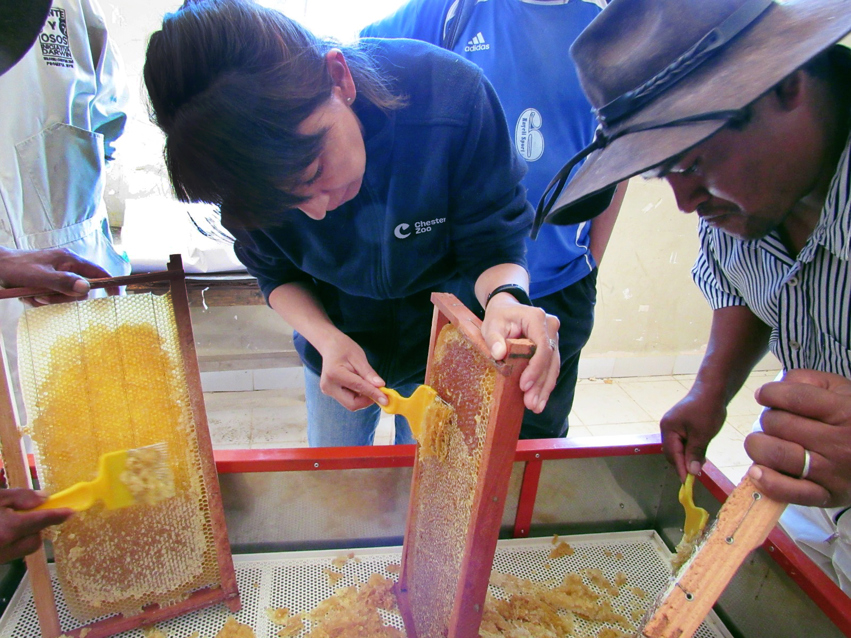
"The project is about practical action as well as research. We now support honey and coffee producers to farm in ways that benefit bears and communities. People receive more dependable income streams, and improved soil conditions means better crops and faster forest regeneration.
"Last year, we harvested our first coffee and shared it with the very communities who live alongside the bears. None of this would be possible without the support of people who care about bear conservation."