Rare birds thriving after zookeepers and a feathery foster parent stepped in to save them
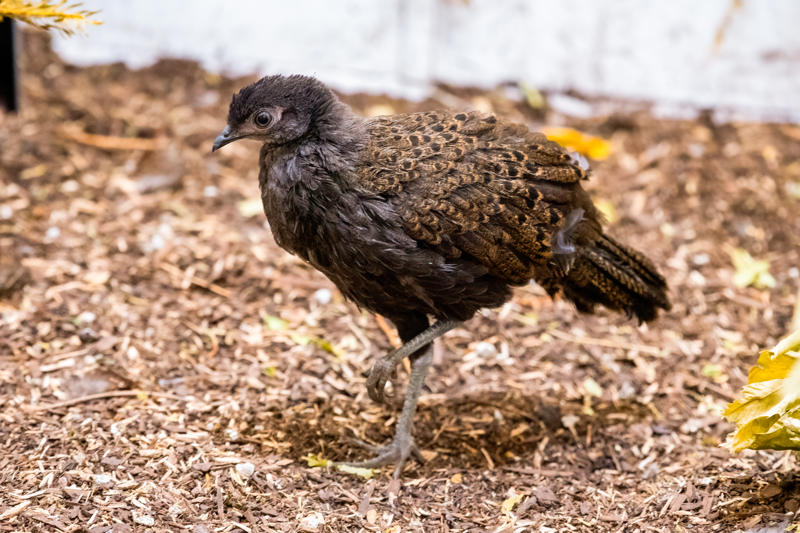
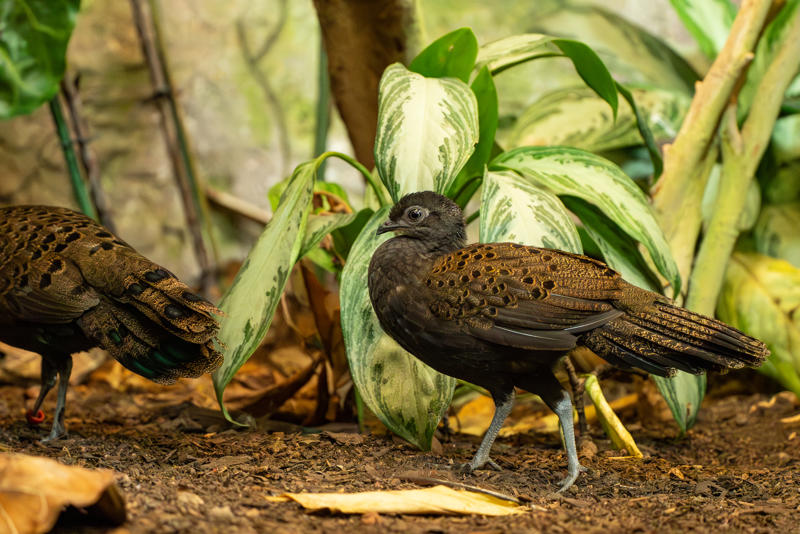
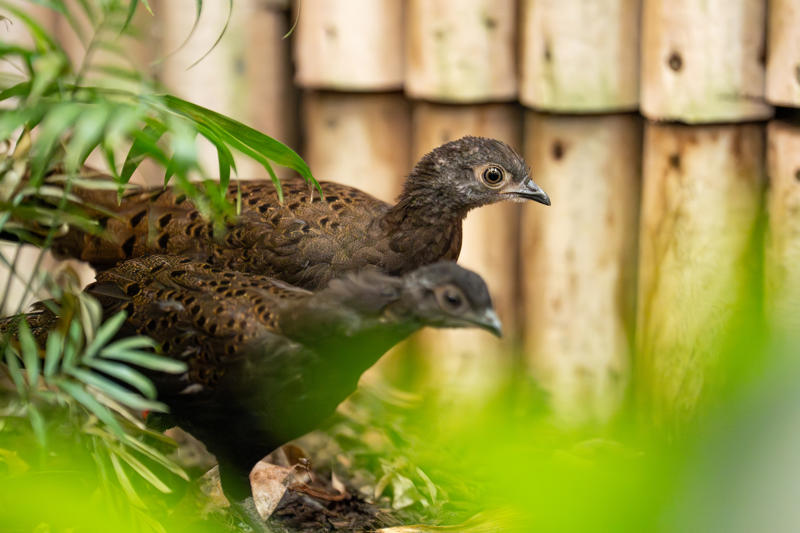
The only Malay peacock-pheasant chicks to hatch in a European zoo this year are thriving at Chester Zoo following an unusual start to life.
Two of Europe’s rarest zoo-dwelling birds are now thriving here at Chester Zoo, thanks to a feathery foster-parent and a tiny hot-water bottle made from a rubber glove.
The Malay peacock-pheasant chicks are the only individuals from their endangered species known to have hatched in a European zoo this year.
Just 15 individuals are recorded in the European zoo population, according to EAZA, the European Association of Zoos and Aquaria, while as few as 2,500 Malay peacock-pheasants may remain in the wild, with drastic habitat loss driving their population to the brink.
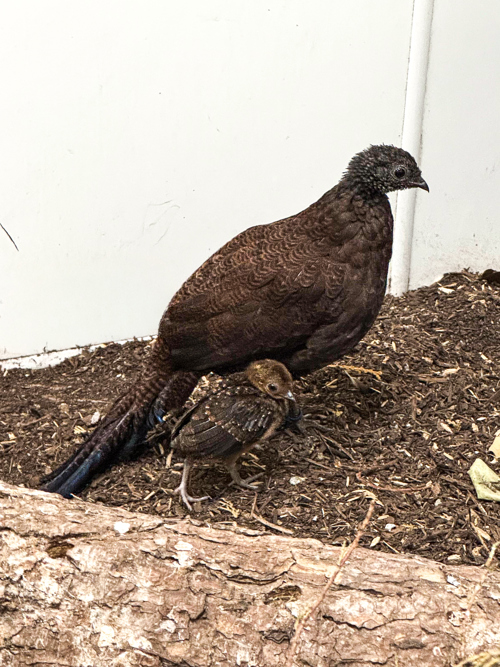
Aware of the importance of every chick, bird keepers here at the zoo stepped in when the mother failed to sit on her first egg. To give the hatchling the best chance, they transferred the egg to a bronze-tailed peacock-pheasant - a closely related species - to incubate it.
"Not all bird behaviours are instinctive, so it can sometimes take bird parents a few tries to get things right. The Malay peacock-pheasant mother wasn’t sitting on her nest, and the first egg was so precious we had to step in."
Leanne Lowton, Lead Birds Keeper, Chester Zoo
Leanne is experienced in hand-rearing chicks, but young birds can struggle to pick up natural behaviours if they are closely nurtured by humans.
Leanne added:
“We didn’t want this chick to grow up not knowing how to be a pheasant, so we looked after the egg in our incubation centre and then gave it to a broody bronze-tailed peacock-pheasant, a very similar species to the natural parents. She is a very experienced mum, and she incubated the egg perfectly.”
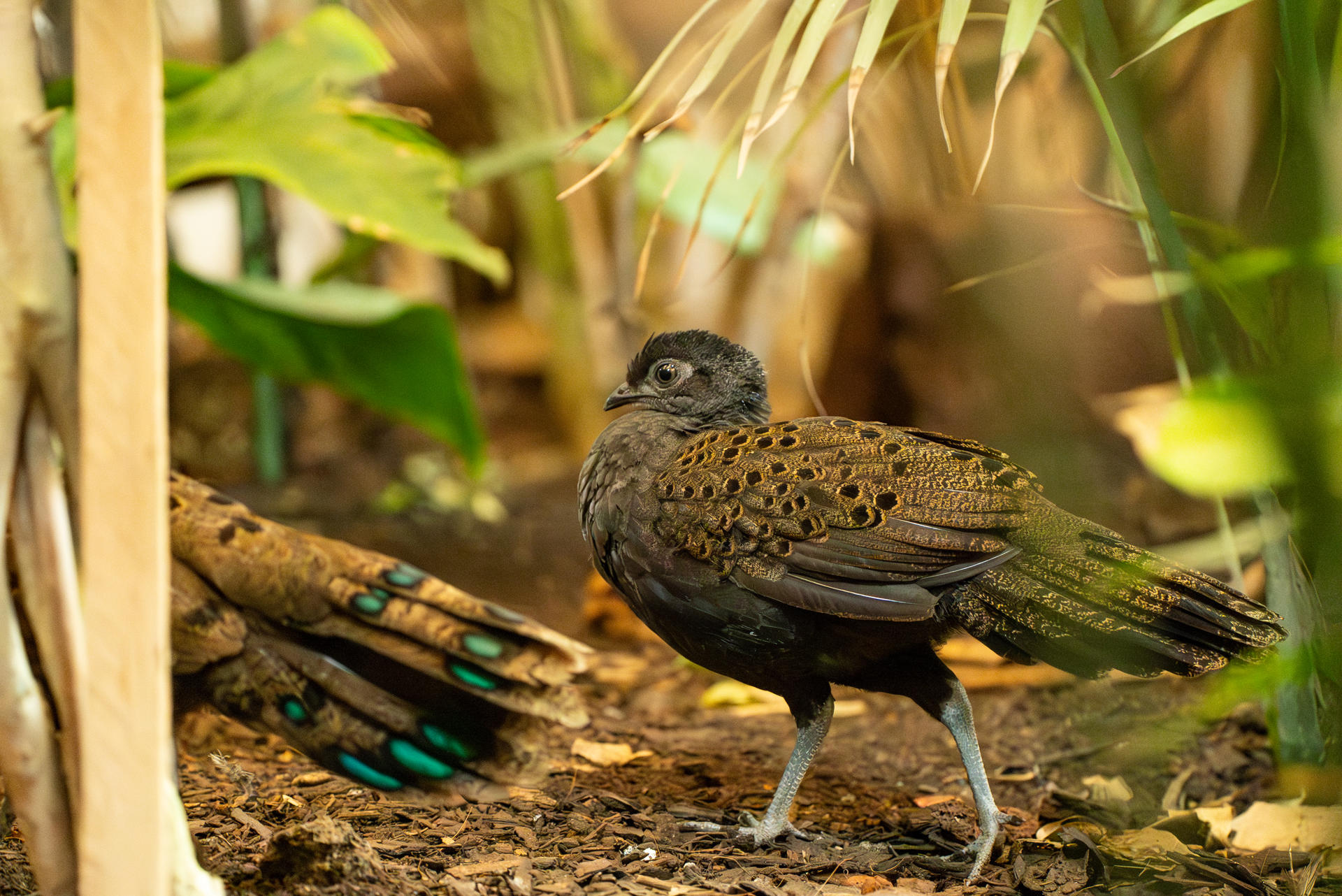
The chick has grown into a healthy young male, who is moving into his own habitat at the zoo this week.
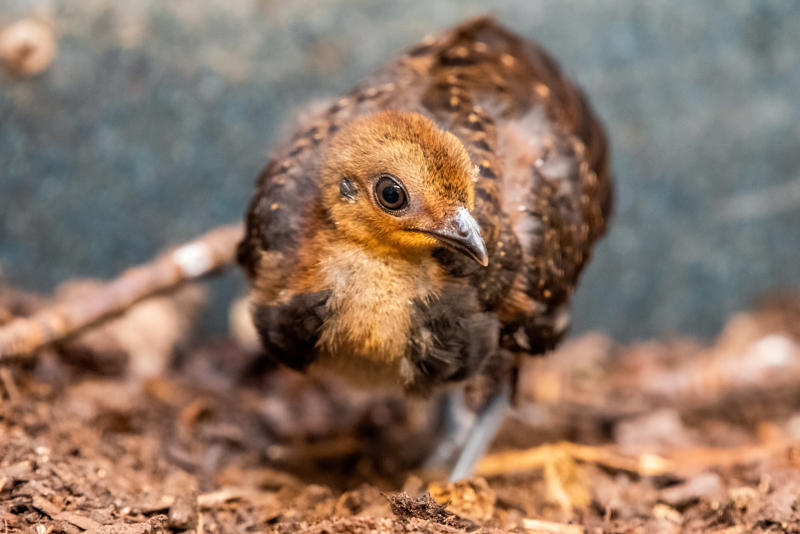
The arrangement also gave the Malay peacock-pheasant mother the opportunity to lay another egg. This time, she successfully incubated it herself - but the chick needed some emergency help shortly after hatching.
Keepers discovered that the mother had left the nest too early, leaving her newborn hatchling dangerously cold.
Leanne improvised a tiny hot-water bottle using a rubber glove and gave the chick glucose syrup every hour for a day and night, before returning it to its mother.
"The chick was chilled, so we needed to provide warmth and energy. It was quite an intense 24-hours. We popped the hatchling back with mum the next morning and she immediately accepted her chick. I've never been so relieved in my life. She's reared the baby really well ever since."
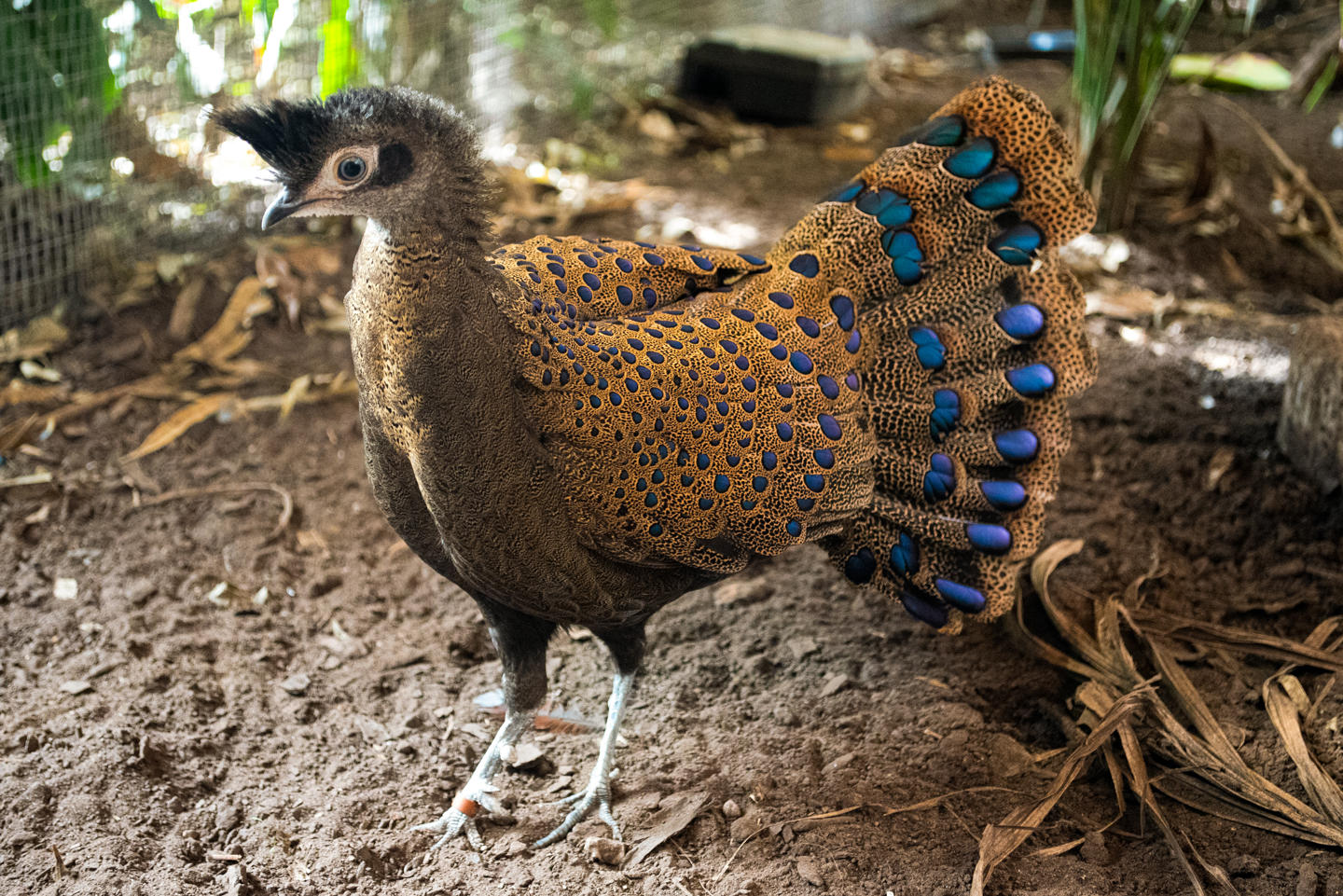
Malay peacock-pheasants have striking plumage, with adult males displaying speckled brown feathers with iridescent blue spots, and a distinctive call which Leanne described as a “Disney villain cackle”.
In the wild, the forest homes of Malay and bronze-tailed peacock-pheasants are being cleared to make way for farming plantations. As habitats shrink, surviving birds become more vulnerable to hunting and trapping, and Malay peacock-pheasants are now Endangered according to the IUCN Red List of Endangered Species.
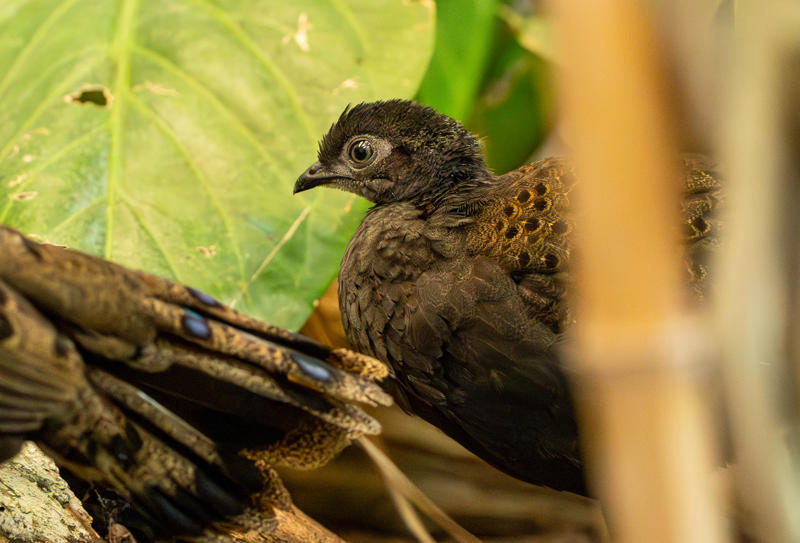
While several zoos successfully breed other peacock-pheasant species, Malay peacock-pheasants are rarely kept in human care. This means the young birds here at Chester Zoo are important additions to the conservation breeding programme developing an insurance population of this at-risk species.