Saving orchids and invertebrates
Our bid to protect some of Britain’s most threatened species has just received a big boost
From orchids to insects, some of Britain’s most threatened species have just been given a lifeline by an ambitious national recovery programme - and we are part of it.
We have just been awarded funding through the largest ever government investment in species recovery.
This is a big boost to two of our ambitious conservation projects that will help pull some of England's most threatened wildlife back from the brink.
The funding is coming through Natural England's £60 million Species Recovery Programme, announced today. Our work is among 130 projects across the country to protect 364 threatened species.
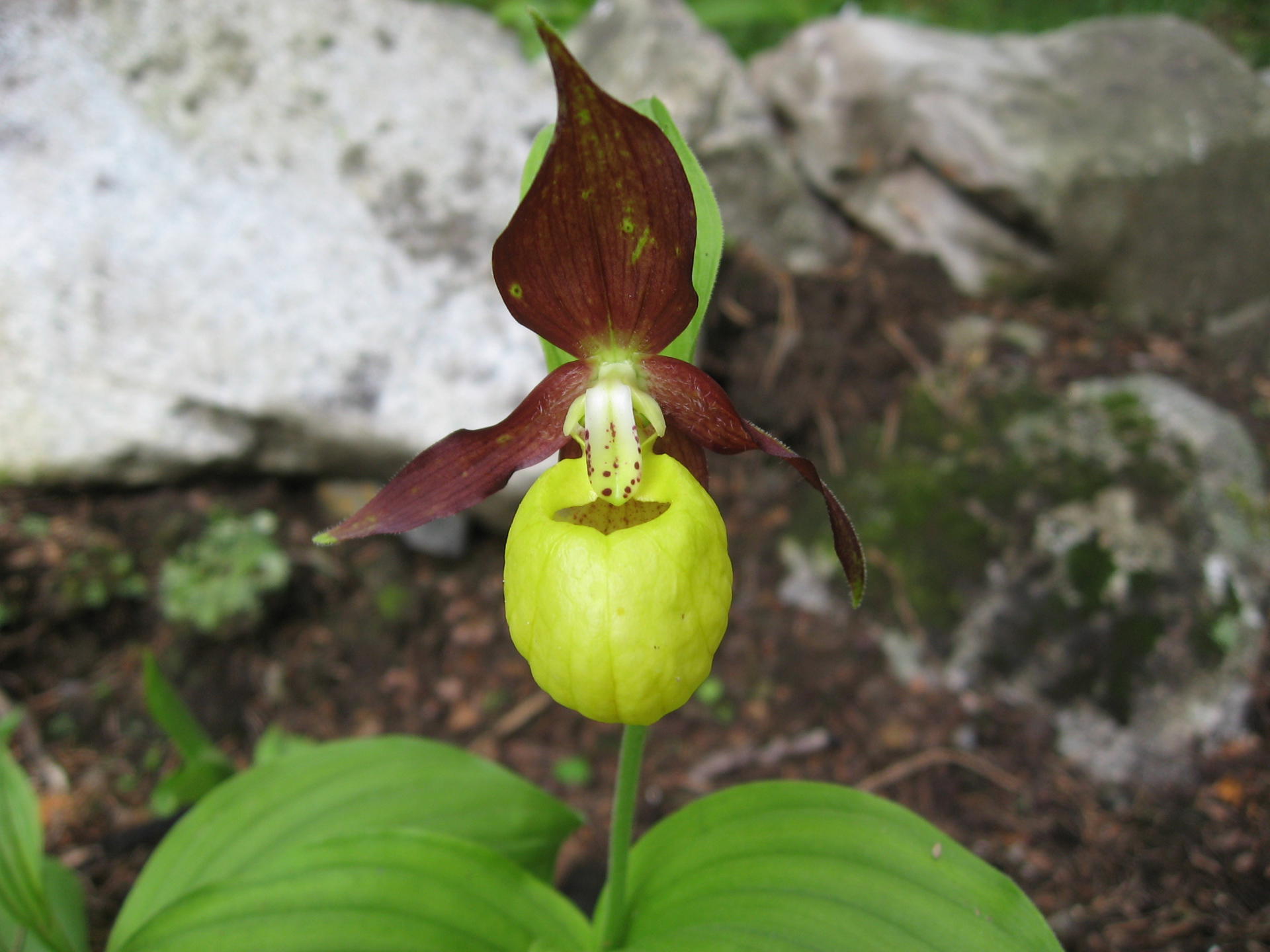
We are focusing on two projects: our Native Species Recovery Hub and a partnership to save the lady's slipper orchid, one of Britain's rarest flowers.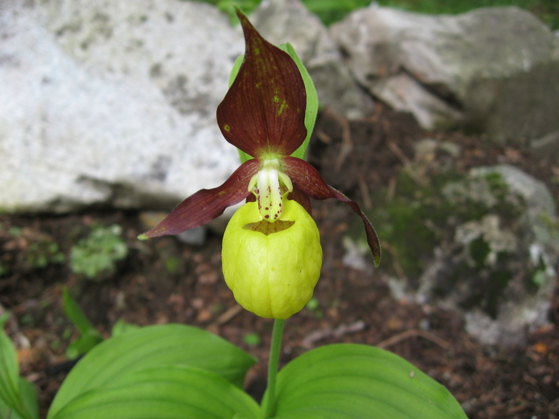
(Photo by Joan Simon, released through Creative Commons 2.0 license)
We're setting up a Recovery Hub with Wildwood Trust, to breed a number of tiny and highly at risk UK species. Invertebrates are highly sensitive to environmental change and are historically overlooked in conservation, despite being foundational to ecosystem health.
The Hub will be home to a breeding colony of glutinous snails (Myxas glutinosa), found only at Bala Lake in Gwynedd, Wales, which will be bred as part of a collaborative British and Irish Association of Zoos and Aquariums project, and two other highly threatened species. 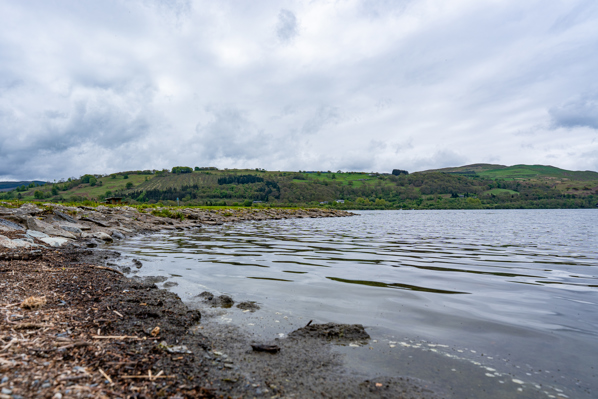
Eventually, the smails and other minibeasts bred at the centre will be released to boost wild numbers. The breeding centre itself will not be open to the public, but we will share ongoing news with our supporters as we fight to protect England's own wildlife.
While we're well known for our global conservation work, the animals under threat aren't just found in far-flung places - some of the rarest species on Earth live just a short way away.
We have the expertise of a talented team that have worked with invertebrates extensively and have supported conservation work around the globe, and I’m confident we will rise to the challenge of helping species on our doorstep.
Iri Gill, Chester Zoo’s General Manager for Ectotherms
The funds will also help drive forward our project to save the Lady's Slipper orchid (Cypripedium calceolus), one of the UK's most critically endangered floral species.
Once widespread through the UK, this delicate and colourful plant once had a wide range, particularly in the limestone districts of Derbyshire, Yorkshire, County Durham and Cumbria.
However, habitat change, including the loss of UK woodlands, and over-collection by orchid enthusiasts in the 1800s and 1900s devastated the species.
It was considered extinct until a single plant was rediscovered in Yorkshire in 1930.
Our long-running partnership with Yorkshire Wildlife Trust, BSBI, National Trust, Yorkshire Dales National Park, Plantlife International and RBG Kew has been cultivating lady’s slipper orchids behind the scenes, often in secret locations due to its rarity.
Our partnership has prevented the extinction of the orchid, and we’re on the brink of achieving self-sustaining populations in the wild. Thanks to this support, we will be able to intensify the work we’re doing to protect these beautiful orchids.
Phil Esseen, Head of Plants at Chester Zoo
More than 350 threatened species will benefit from the largest ever investment in recovering England’s wildlife, Natural England announced today, as part of the government's "Wild Again: Restoring England's Wildlife" initiative to turn the tide for England's wildlife.
Conservation is a long-term process, and passion, technical know-how and funding are crucial to success.
This funding will have a huge impact in helping conservation organisations like Chester Zoo safeguard these incredible species for generations to come.
Luci Rampling, Trusts & Foundations Manager at Chester Zoo
This work is further strengthened through the support of Wienerberger UK, who are partnering with us to help protect and restore some of the UK’s most at-risk species. Their support will contribute to vital conservation action, including efforts to safeguard native wildlife and habitats for future generations. Read more about the partnership and their commitment to nature recovery here.