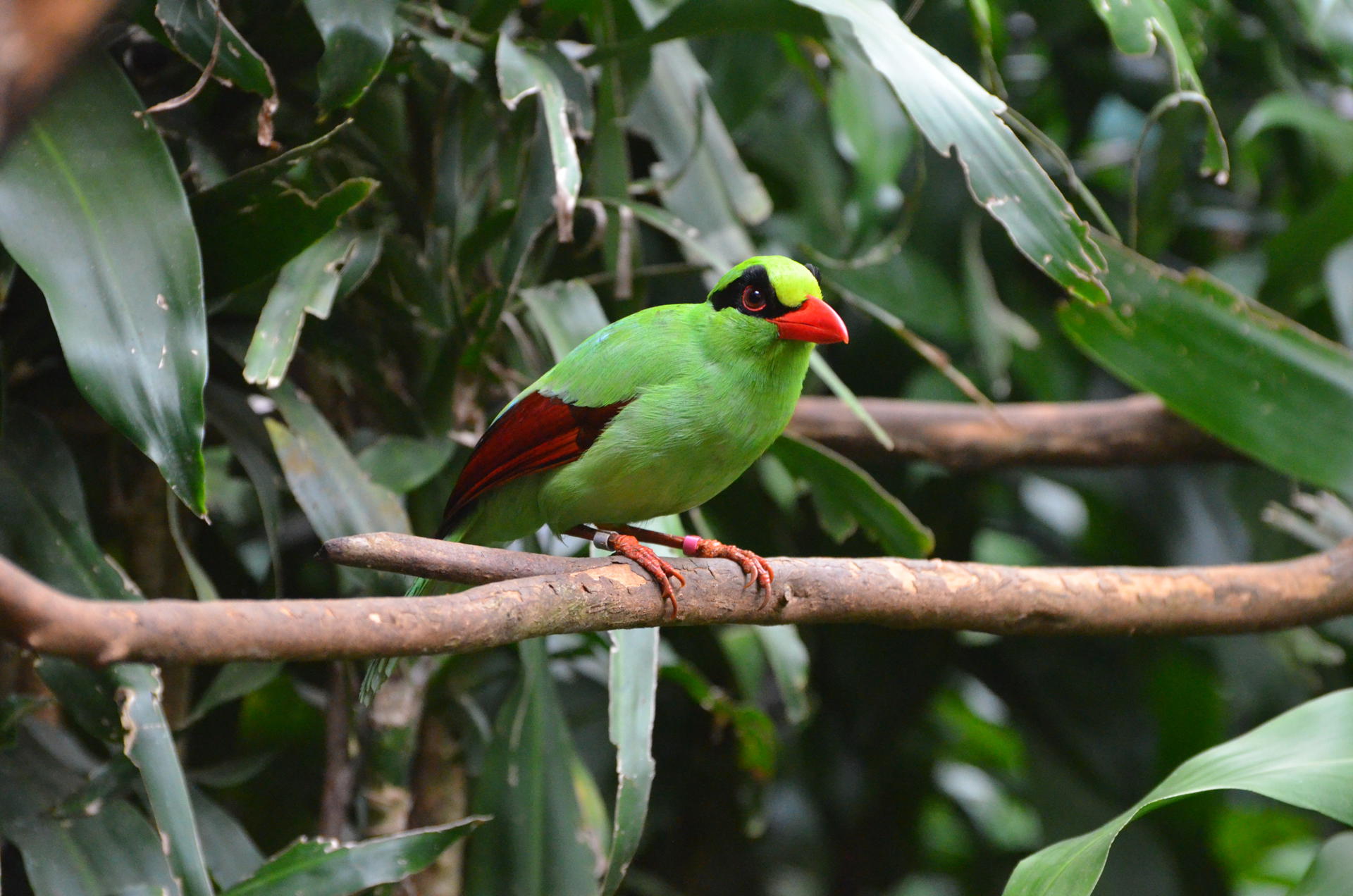
The race to save one of the world's most endangered birds has begun
An international action plan to save critically endangered Javan green magpies is now being rolled out.
Fewer than 250 Javan green magpies may now survive in the world.
The colourful songbird is so rare that survey teams searching across 12 mountains in Java failed to find a single bird in the wild.
We've played a central role in developing the plan for the Javan green magpie - a species so close to extinction that fewer than 250 may remain on the planet - and we're now working with partners to put it into action.
The plan brings together government, conservation organisations, specialist groups from the International Union for the Conservation of Nature (IUCN) and zoos from Indonesia and across the world in a coordinated attempt to pull the species back from the brink.
Bird specialists from the zoo were among 48 international experts who travelled to Indonesia to help shape it, setting out urgent actions to tackle bird trapping, habitat loss and illegal online trade, while strengthening a conservation breeding programme the zoo helped establish over a decade ago.
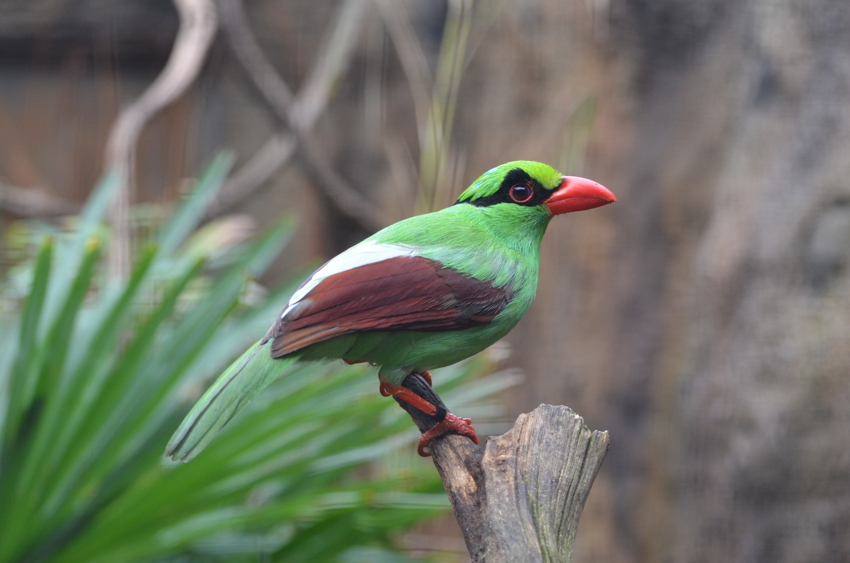
Online trade of the species, despite it being legally protected in Indonesia, continues covertly through WhatsApp and Facebook. Today, we care for 12 of the approximately 130 Javan green magpies within the global conservation breeding population - birds that could play a vital role in securing the future of their species.
Our partners at the Cikananga Wildlife Centre in West Java are now working with the Indonesian government to strengthen support for the species, while conservationists prepare for future reintroductions.
“We are now planning the final details of conservation translocations, drawing on conservation breeding of the Javan green magpie, as well as preparing in situ community and poacher engagement to reduce the threat posed by the illegal wild songbird trade.”
Corrine Bailey, Regional Field Programme Senior Manager for South East Asia at Chester Zoo
We've been involved in conserving the species since 2012, helping to establish a conservation breeding programme at the Cikananga Wildlife Centre. In 2015, six pairs were transferred to Chester to establish a further insurance population in Europe.
"The Javan green magpie is running out of time - and running out of places to hide."
Andrew Owen, Head of Birds at Chester Zoo
Andrew continued:
"This is a bird that most people have never heard of, and that's part of the problem. When survey teams searched across mountain after mountain in Java and found nothing, it brought home just how desperate the situation has become.
"We’ve been fighting for this species for over a decade. We helped build the breeding programme that now holds almost every individual known to exist. But while conservation breeding buys time, it isn't a solution on its own. This new action plan is about giving the species a future in the wild. That's what drives us."
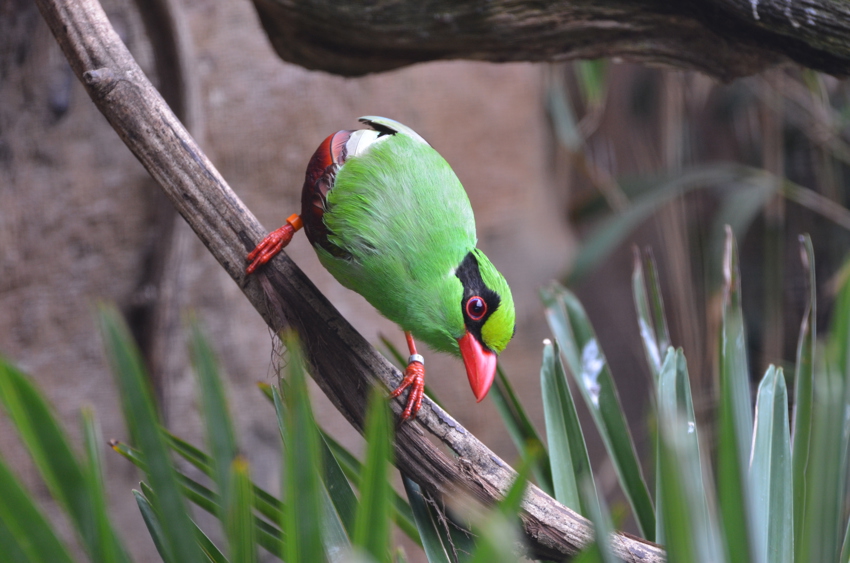
The action plan - developed at a four-day workshop in Java in late 2025 - sets out more than 80 actions to be implemented over the next ten years. These range from targeting illegal online trade networks and working with mountain hiking communities, to expanding the coordinated breeding programme and developing plans for the eventual reintroduction of birds bred in human care into protected wild habitats.
The plan also highlights the species' cultural significance in Indonesia, where it is known as the Ekek Geling - a name derived from the Sundanese community's description of its distinctive call. Historically prized for its song, the bird became caught up in Indonesia's competitive songbird trade, which experts believe has driven it to the very edge of extinction.
Together with our partners, we're now calling for urgent international support - both financial and practical - to help ensure the plan can be fully implemented before it is too late.