Unseen education
Zoo education can reach millions - so why is it under-represented in national reports?
Education is foundational to effective and long-term environmental recovery. Global biodiversity targets cannot be met without people acquiring the knowledge and skills that allow them to participate in pro-nature action.
By Charlotte Smith, Director of Conservation Education, Chester Zoo
The 196 countries and political entities that make up the Conference of the Parties (COP) submit reports to the Convention on Biological Diversity (CBD). These refer to various education initiatives that contribute toward meeting the goals of the Kunming–Montreal Global Biodiversity Framework (GBF).
This framework, set out in 2022, outlines an “ambitious pathway to reach the global vision of a world living in harmony with nature by 2050”, and involves meeting increasingly urgent targets to prevent or reverse ecological damage.
I am among the Chester Zoo delegates currently representing the zoo at COP17 in Yerevan, Armenia. While there, I’ll be sharing insights from a collaborative research project we carried out with colleagues from WWF, the Canadian Centre for Nature Based Education, the Canadian Wildlife Federation, the Global Youth Biodiversity Network, the Centre for Global Education and the IUCN Commission on Education and Communication (IUCN CEC).
We reviewed 138 national reports submitted to understand how education contributes to the goals and targets of the GBF, noting every education initiative mentioned in the reports, and analysing their approach, audience and more.
Our analysis showed education activity contributes to every GBF goal and target, particularly:
• Goal D, which calls for investment and collaboration
• Target 20, which aims build capacity an strengthen cooperation
• Target 21, which aims to make knowledge accessible for biodiversity action
There were some interesting findings. Reported initiatives for children and young people centred more often on environmental and sustainability education and usually positioned them as learners rather than leaders.
We found limited evidence in the reports of youth-led delivery, influence or peer exchange. This matters because young people, including members of Chester Zoo’s Youth Board, consistently emphasise that participation in decision-making, skills development and opportunities to take action strengthen their ability to contribute.
What also stood out was that government agencies led more than 60% of reported initiatives, even though wider evidence shows that many other actors deliver education for biodiversity.
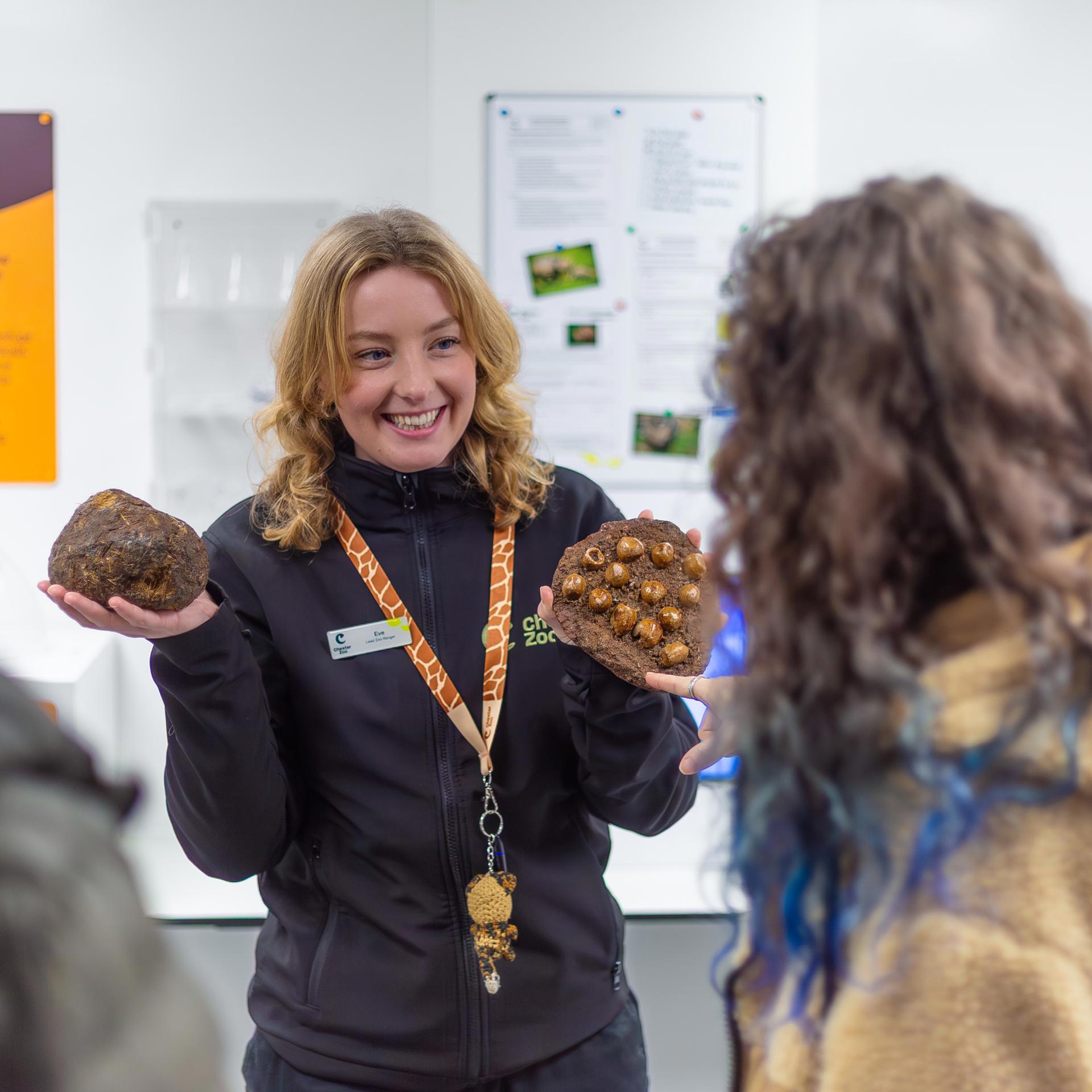
Zoos and aquariums were named in just nine of the 3,918 initiatives. Chester Zoo alone engages 650,000 people each year through education and engagement programmes, and we have evidence that these programmes equip people to contribute to biodiversity conservation, from making more sustainable choices to creating habitats for wildlife.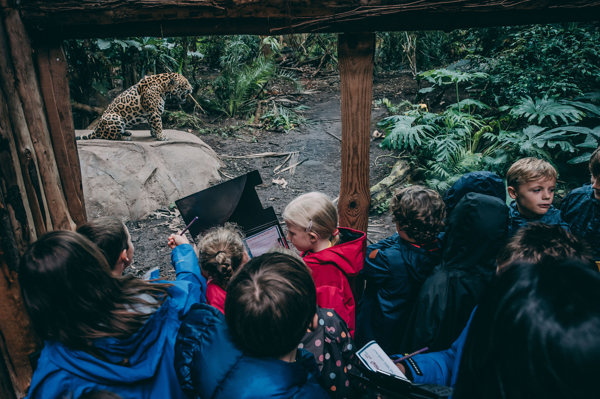
Additionally, the reports included limited records of evidence for change. Only 5% of initiatives were categorised as delivering transformative and behaviour-change learning and less than 5% overall reported using measured learning, behavioural or biodiversity outcomes.
I believe that if we are to reach GBF targets, we, as a global community, require a far more collaborative and joined-up approach to the development and delivery of education.
I also believe reporting should fully take into account the expertise, reach and lived experience of Indigenous Peoples’ organisations, young people, conservation institutions, media and businesses - engaging these partners in setting priorities, designing programmes, delivering learning and evaluating what changes as a result.
These and other groups need clear and consistent ways to contribute evidence, so national reports reflect the full scale and diversity of education for biodiversity, allowing us to share what we know and adopt the approaches that work.
Zoos and other specialist conservation education organisations can make a particularly valuable contribution through inclusive engagement. Collectively, we reach hundreds of millions of people and can help them connect with nature and change their behaviour in ways that benefits biodiversity.
When these and other initiatives are included in reporting, they become more visible, strengthen accountability and accelerate progress towards meeting GBF targets.
To explore our findings, click here