Youth volunteers become conservation changemakers
11 passionate young people have taken part in our Youth Volunteering Programme to become Visitor Engagement Volunteers... but with a twist!
At Chester Zoo, conservation isn’t just something that happens behind the scenes. It’s something young people are stepping up to lead.
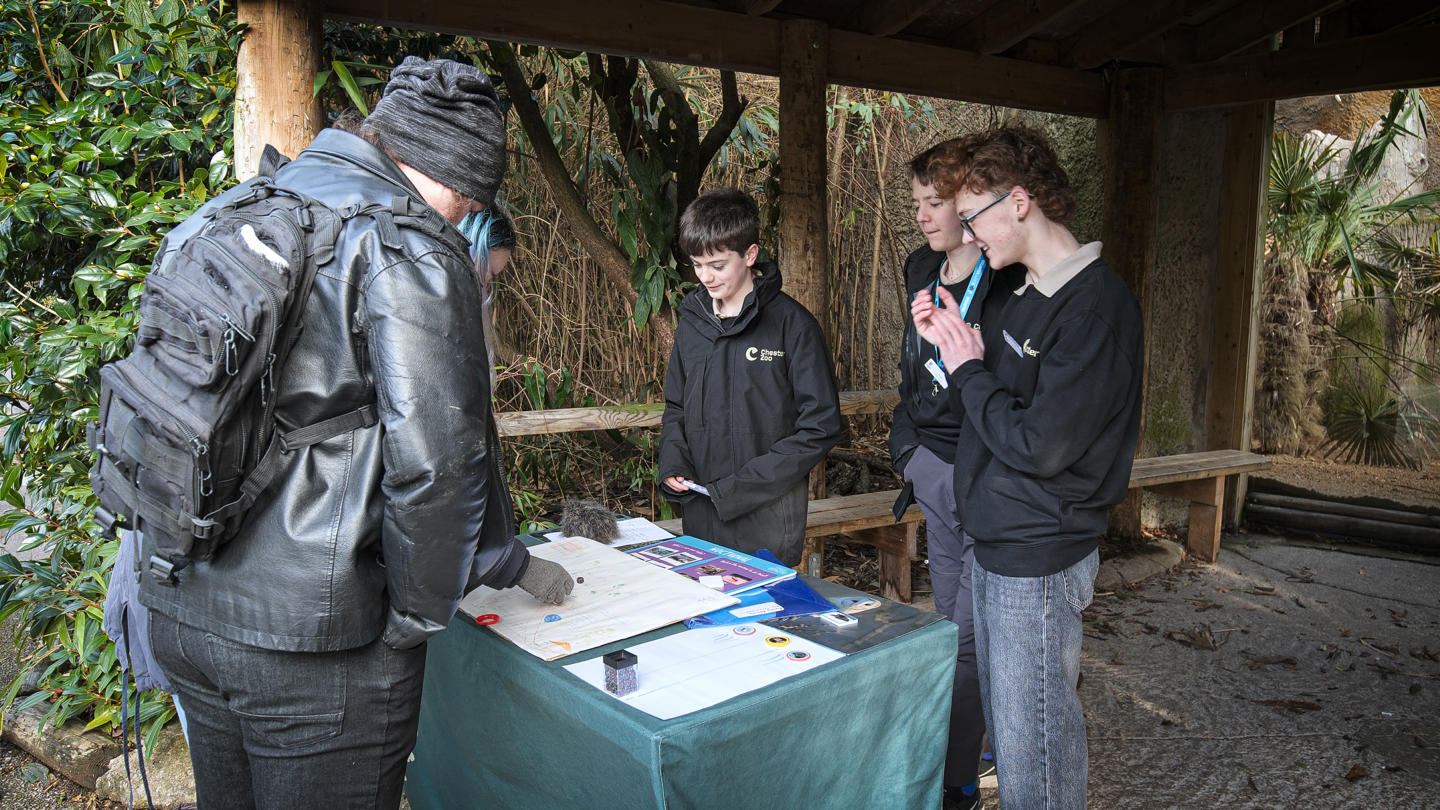
At the end of 2025, 11 passionate young people took part in the our Youth Volunteering Programme to become Visitor Engagement Volunteers… but with a twist! Using the Leader’s Guide from our Conservation Changemakers’ Toolkit, we led this group of young people through a changemaking journey. The ask? To design and deliver their own conservation interventions whilst volunteering in the zoo. The result? Visitor games, quizzes, animal talks and interactive activities - all created by young people, for the public, with one goal: inspire action for conservation.
From Volunteers to Changemakers
The programme was built around the Conservation Changemakers toolkit – a framework designed to help young people move from caring about conservation to actively leading change.
Rather than being handed a script, the group were asked big questions:
- What conservation and environmental issues matter most to you?
- Which species could we talk more about but currently don’t?
- How can we make learning fun, memorable and action-focused?
With support from zoo staff and Youth Champion volunteers, they researched key issues such as habitat loss, climate change and species conservation. Then they designed creative ways to spark conversations with visitors across the zoo.
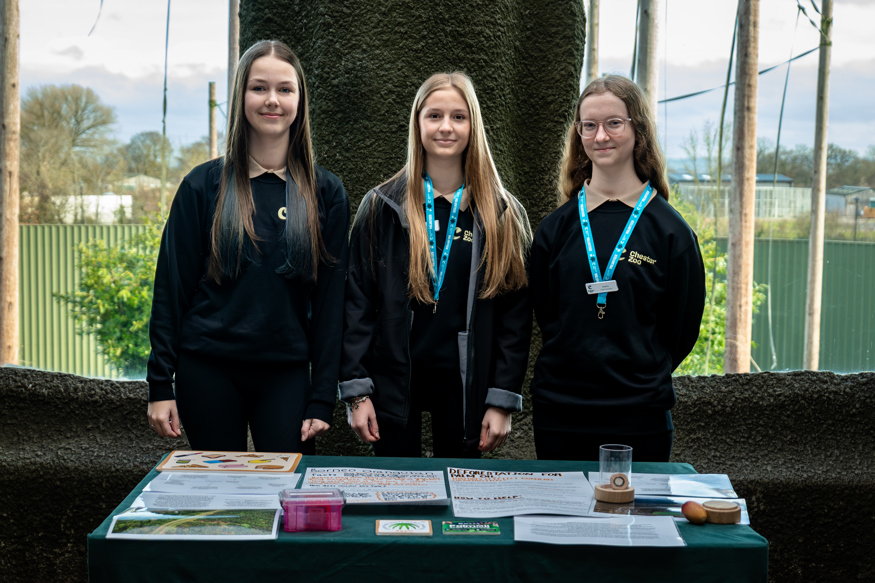
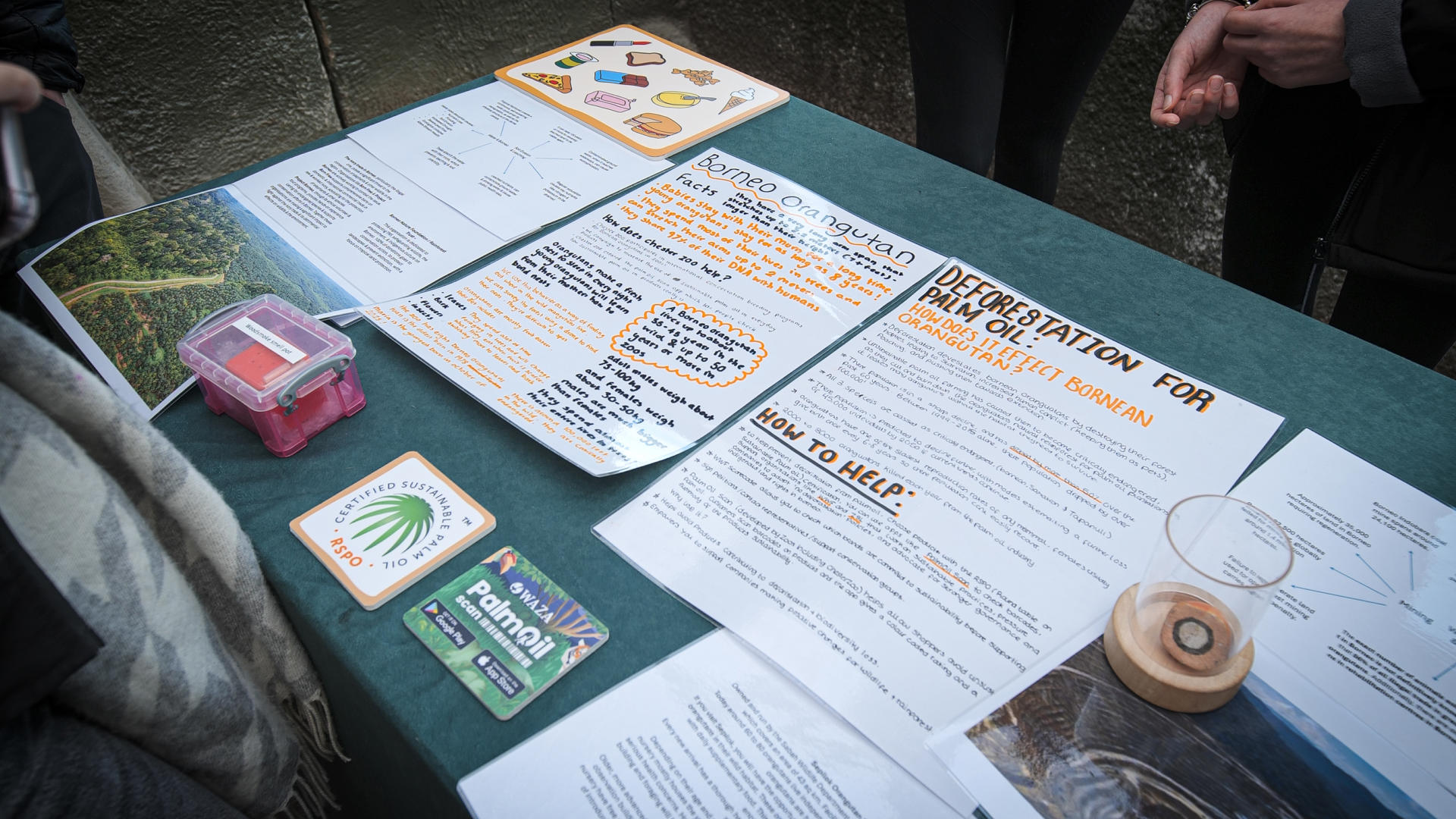
Some developed fast-paced conservation quizzes to bust common myths. Others created interactive games involving sustainable choices. Several delivered engaging animal talks, connecting visitors emotionally to species and explaining how everyday actions can protect wildlife.
It was wonderful to see how these amazing young people grew in confidence as they spoke to visitors, having conversations about palm oil, sustainable choices or endangered species.
"When we were doing the reflection time, I don’t think the boys realised at first how many ’soft’ skills they had acquired, but once they started to understand them, they seemed very pleased and I am sure they will appreciate this learning as they progress through school."
Our Youth Champions
Building skills that last
Alongside conservation knowledge, participants developed essential life skills using the Skills Builder Framework.
The programme focused on eight essential skills, including:
- Speaking – delivering animal talks and engaging visitors with confidence
- Listening – responding thoughtfully to visitor questions and perspectives
- Teamwork – collaborating to design and refine activities
- Problem-solving – adapting activities in real time
- Creativity – turning complex conservation topics into accessible, playful experiences
- Leadership – taking ownership of projects from idea to delivery
- Adapting – overcoming challenges as they developed projects
- Planning – figuring out the best approaches and what resources they would need
For many of the 11 participants, this was their first experience leading public engagement on this scale. By the end of the programme, they weren’t just sharing information, they were inspiring and empowering our guests to take action.
"The young people did a fantastic job, and it was great to see their confidence grow each week. They learnt new skills, tried out their own ideas, and showed that hearing about conservation from young voices can make a real difference to visitors."
Jo Morison, Volunteer Manager
Conservation conversations that matter
The interventions were designed to be positive and empowering. Instead of focusing only on the scale of environmental challenges, the young volunteers helped visitors see that small, everyday actions matter.
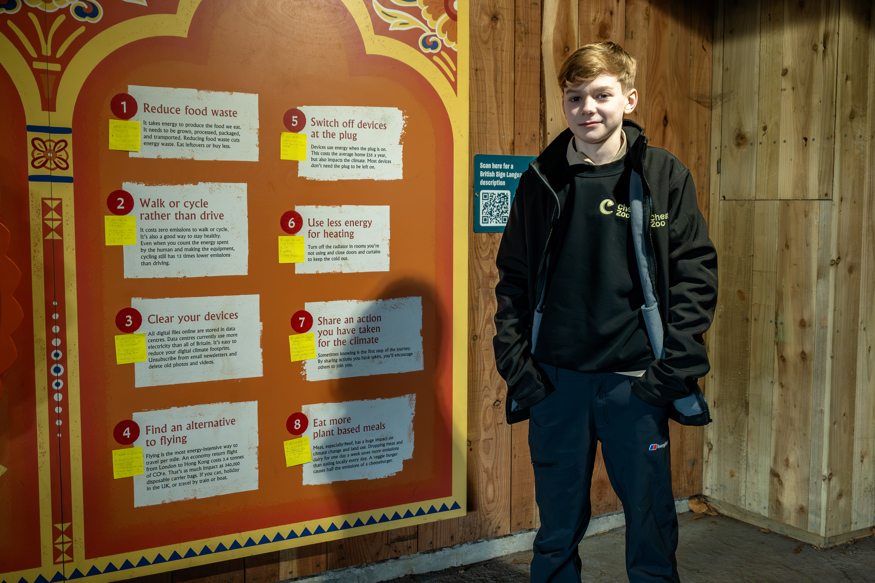
And because the messages were coming from young people, they carried a different kind of weight. There’s something incredibly compelling about hearing a teenager explain why protecting Sulawesi macaques or buying sustainable products is important to them personally.
At its heart, the Youth Volunteering Changemakers programme is about agency.
These 15 young people weren’t just helping out at a zoo. They were:
- Designing and testing their own conservation engagement projects
- Developing transferable skills for future education and careers
- Building confidence in public speaking and leadership
- Seeing first-hand the impact they can have on others
By combining the Conservation Changemakers toolkit with structured skills development, we hope to nurture not only future conservationists, but confident communicators and changemakers.