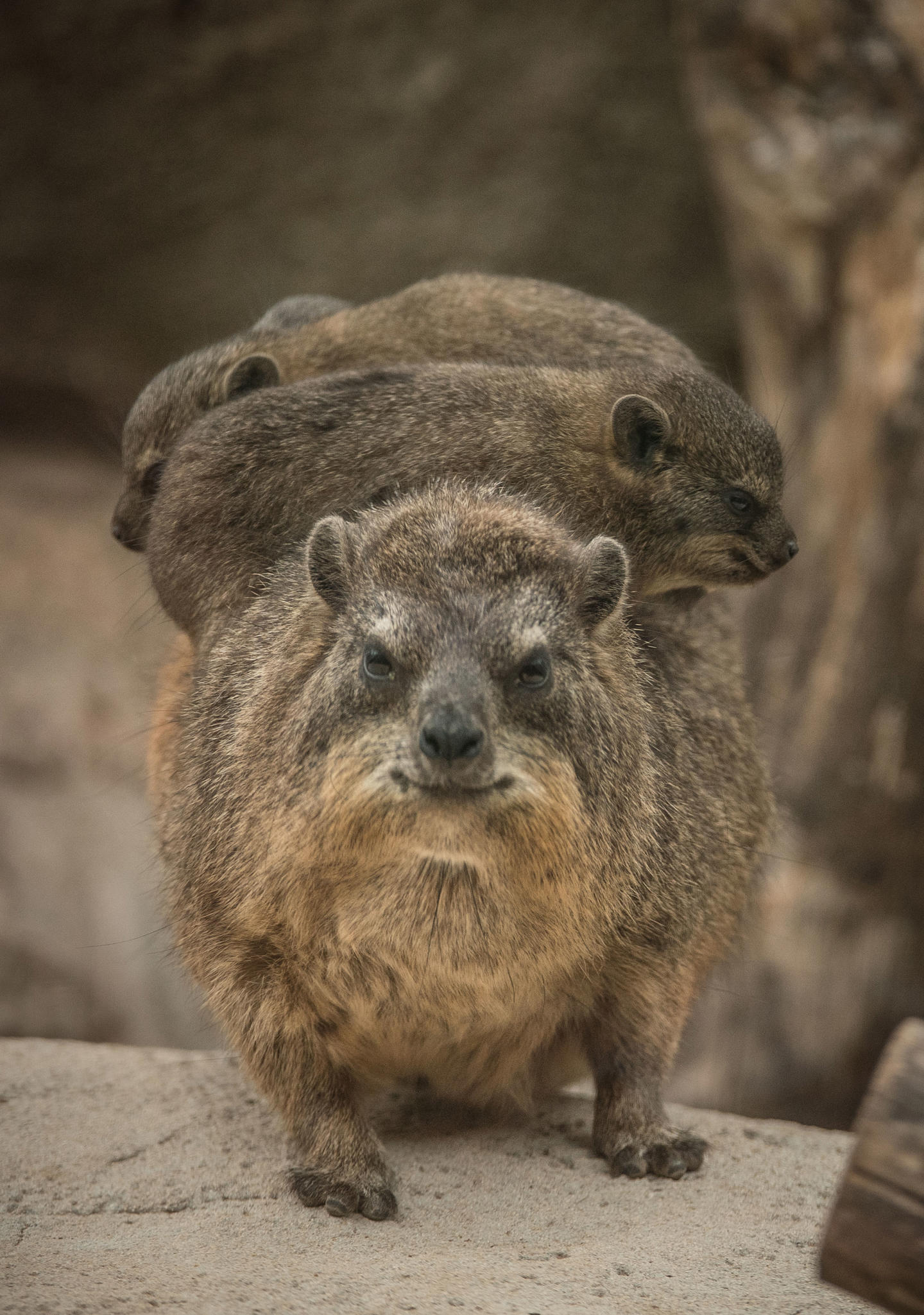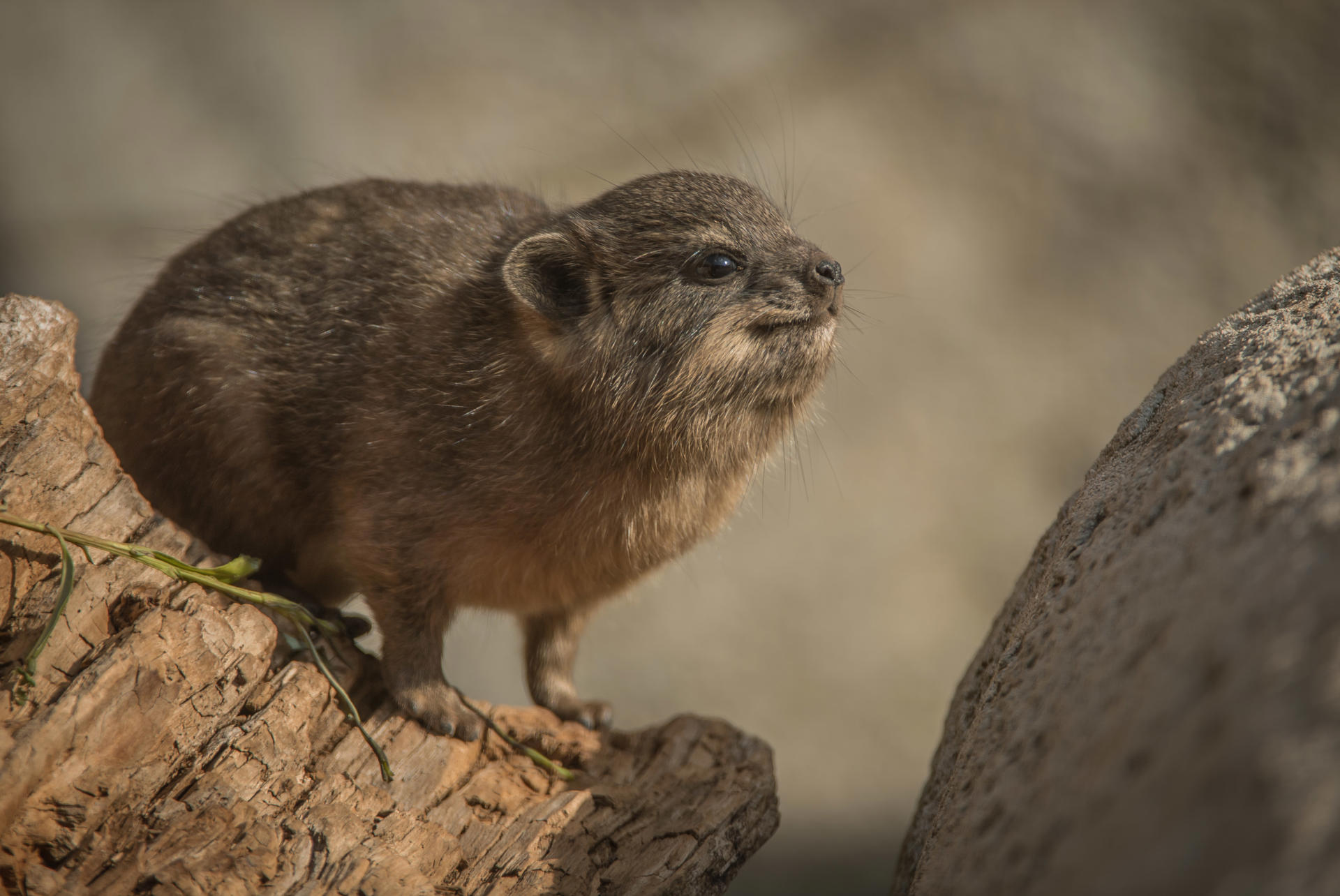
It was during an evening tour of Heart of Africa for our Reserve residents that a visitor spotted something new and exciting – three rock hyrax pups had arrived in the colony.
We had an inkling that mum was pregnant due to her slightly bigger belly (although she was nowhere near as big as you’d expect for the size of the babies she produced), but it wasn’t until the babies had arrived, that we were able to confirm that she had been pregnant.
Previous rock hyrax here at the zoo have often given birth in the third week of July – and this was the case for the new pups too. We’ll find out their sexes when they’re about 4–5 weeks, when they’re old enough for us to handle.
Did you know?
Their closest relative is the elephant! Hyrax have acute hearing, large, continually growing incisors (like tusks) and flat, hoof-like nails at the end of their toes rather than claws.
They’re also part of a superorder called Afrotheria, made up of mammals that originate (or whose ancestors originate) from Africa. The superorder includes the dugong, manatee, African elephant, tenrec, aardvark and elephant shrew (you can find the last two in Heart of Africa).
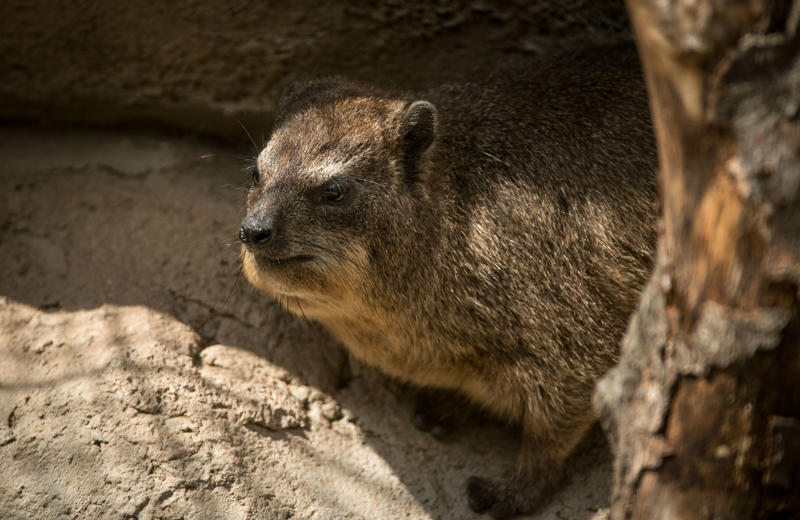
Welcoming the hyrax pups
Hyrax have a 7–8 month gestation, which is incredibly long for a mammal their size. Experts think this could be an evolutionary trait inherited from their much larger ancestors. It could also be because their closest relative, the elephant, also has a long gestation period.
Hyrax pups are born precocial, which means their eyes are open and they have fur – like a miniature version of their parents. They weigh around 200g (about the same as a smartphone), compared to adults that weigh 4–5kg. The babies are born ready to go, running around, climbing and sometimes even falling!
Fun fact
Hyrax have rubbery pads on the soles of their feet. They keep these moist with a sweat-like secretion that helps them climb rocks. They also have specialised muscles in the centre of these pads that create a vacuum-like suction grip on vertical surfaces.
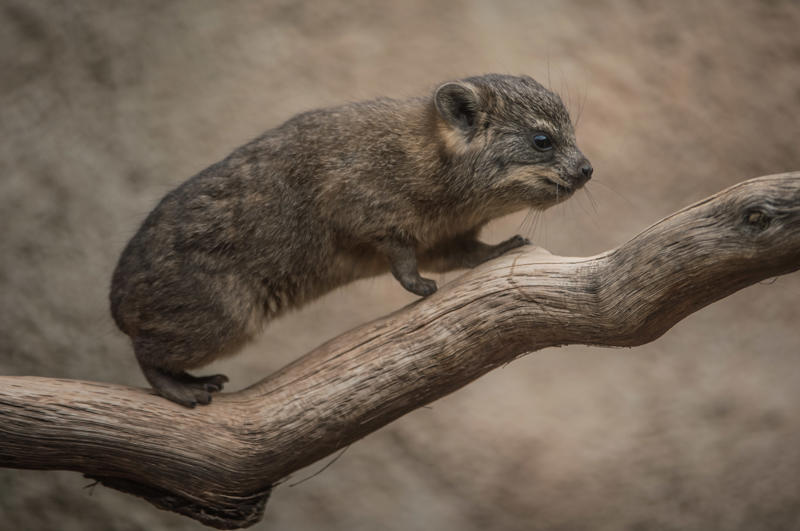
Three latest arrivals
The babies are doing really well. They share their habitat with our three female Smith’s bush squirrels – a new addition to Heart of Africa. Although keepers were a little apprehensive about whether the babies would cause a shift in their dynamic, the squirrels don’t seem too bothered by being outnumbered.
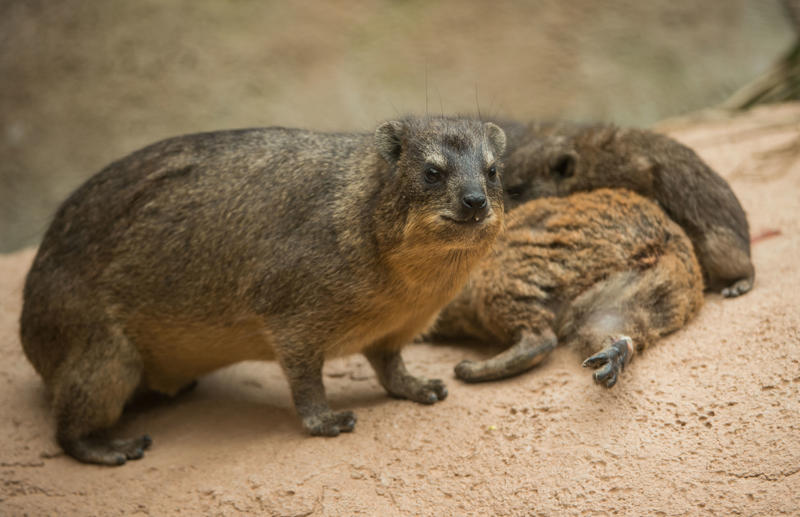
“Mum is proving to be a natural, spending all her time with the babies and showing them the ropes. Dad is still in with the group, but he spends his time hiding on his rock ledge!"
“Hyrax are very elusive, so we don’t often see them eat. But, we’ve increased the group’s diet to account for the new mouths to feed and the extra energy needed by mum for milk production. We’ll continue to monitor their weight."
“Mum will feed her pups milk until they’re 10–12 weeks old, but they started eating their parent’s solid diet after just a couple of days. Their diet here is made up of cabbage, carrot, apple and a nutritionally-rounded pellet – as well as leaves, shoots, twigs and lucerne.”
- Eden Luff, Twilight Keeper
Hyrax spotting
You’ll find the new hyrax pups and their family between the African wild dogs and aardvarks in Heart of Africa.
Hyrax spend 95% of their time resting. In the wild, they’re crepuscular (most active in the morning and the evening) and the hyrax we care for also mostly adhere to this too. Afternoons seem to be the time we’ve seen Mum and her babies inside and being particularly active.
They sometimes rest outside with dad too – on the rear-left ledge. If you’re lucky, you may also be able to see them do something called ‘heaping’, which is when they pile up together. They do this as a method of thermoregulating (maintaining body temperature).
Rock hyrax in the wild
Hyrax are native to the Middle East and Africa and they particularly enjoy rocky terrains that they can hide in. In some areas they face threats from humans, including:
- Hunting (for meat and fur)
- Human-wildlife conflict due to hyrax consuming farmer’s crops
- Habitat loss from land clearing for agriculture
They also have natural predators, including:
- Large birds of prey (e.g. the Verreaux's eagle)
- Carnivores (e.g. snakes, leopards and caracals)
In the wild, male youngsters move away from the family unit to start their own colony, so we’ll keep them as a group until we know their sexes, and once they’ve matured enough to be independent, they may join hyrax colonies in other zoos.