National Conservation Zoo
Opening times today: 10am - 4:30pm (Last entry at 3:30pm)
Discover the amazing animals that call Chester Zoo home
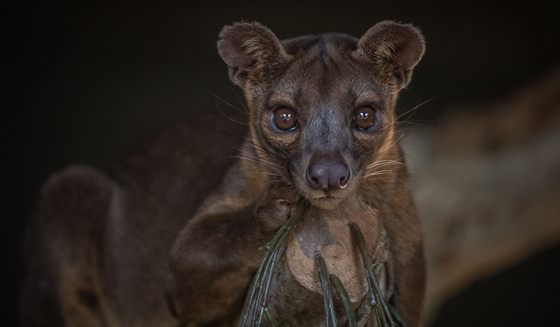
Fossas are the LARGEST carnivores in Madagascar. Secretive and cat-like, these predators are well equipped for chasing down lemurs in the forest.
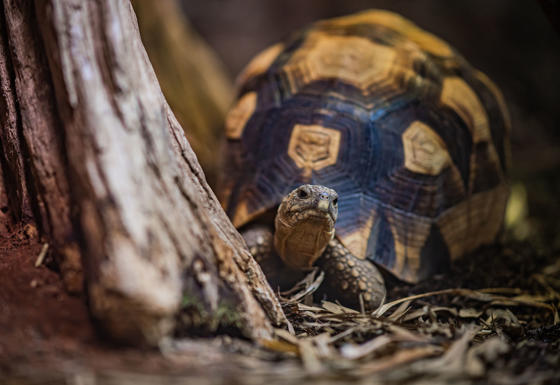
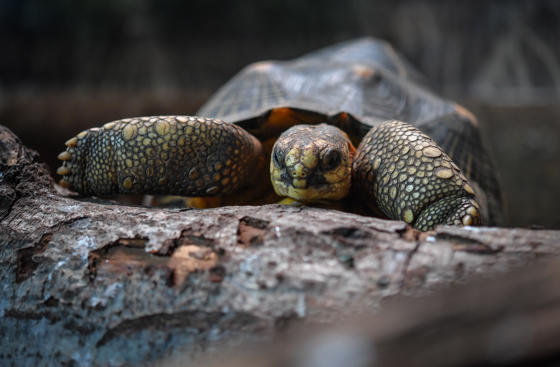
The ploughshare tortoise is the largest and rarest of Madagascar's four remaining tortoise species. These remarkable creatures are uniquely adapted to the dry forests of western Madagascar, where their distinctive, patterned shells make them highly sought after in the illegal wildlife trade.
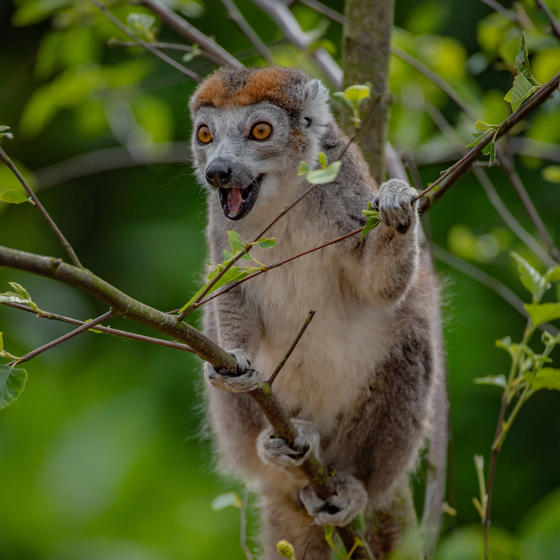
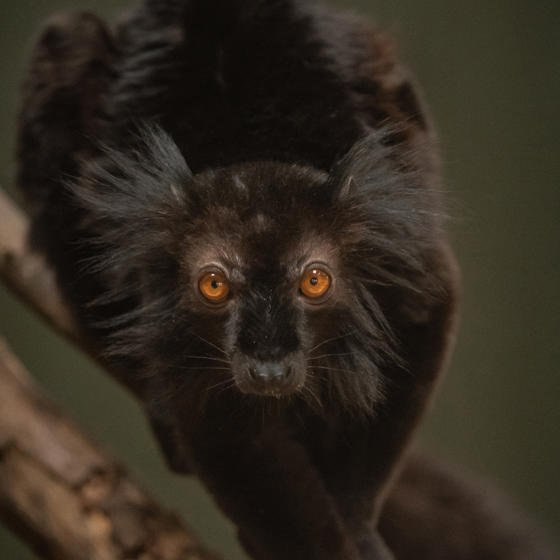
Female dominance over males is rare among mammals, including primates, but it's the norm for lemurs.
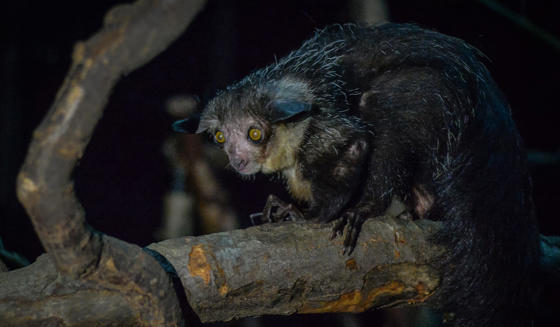
Aye-ayes have stunning yellowish-orange eyes and distinctive hands which have claw-like nails on elongated, thin fingers.
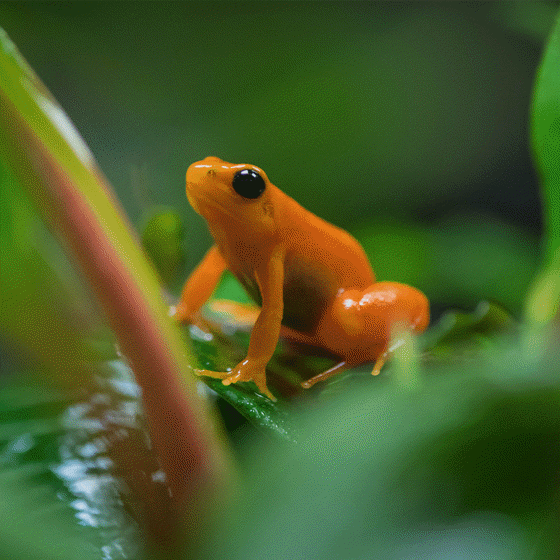
There are 16 species of mantella frogs, 11 of which are near threatened, vulnerable, endangered, or close to extinct.
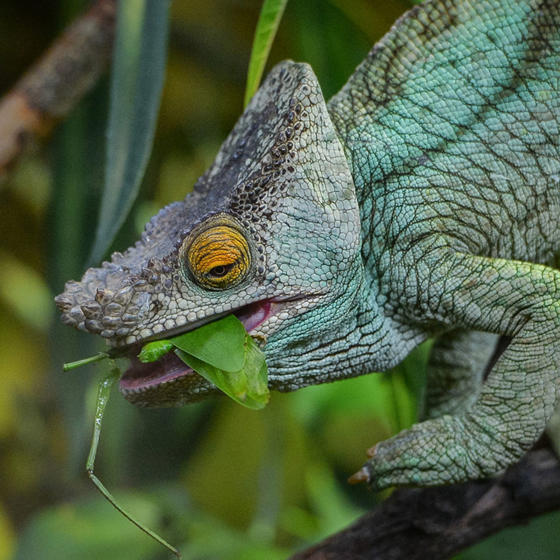
Find out more about Parson's chameleons. Famous for their ability to change colour to match their background, allowing them to conceal themselves from potential predators.
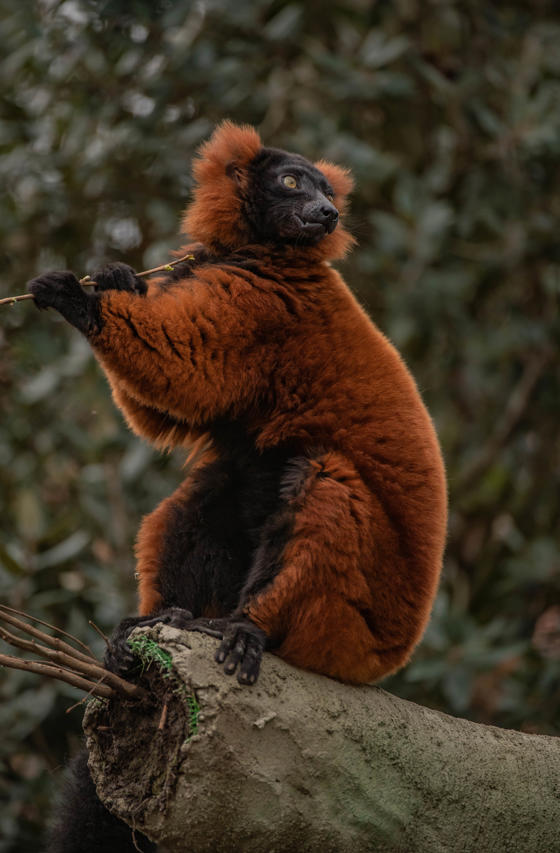
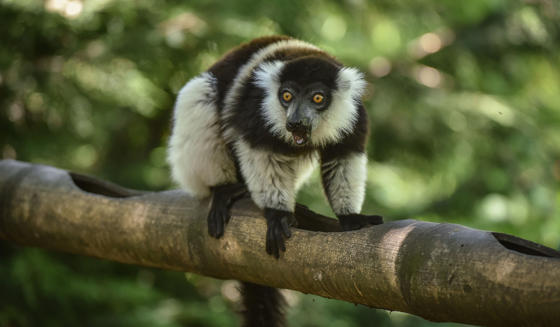
One of the largest pollinators in the world, pollen sticks to their ruffs of fur and gets transported from tree to tree as they forage.
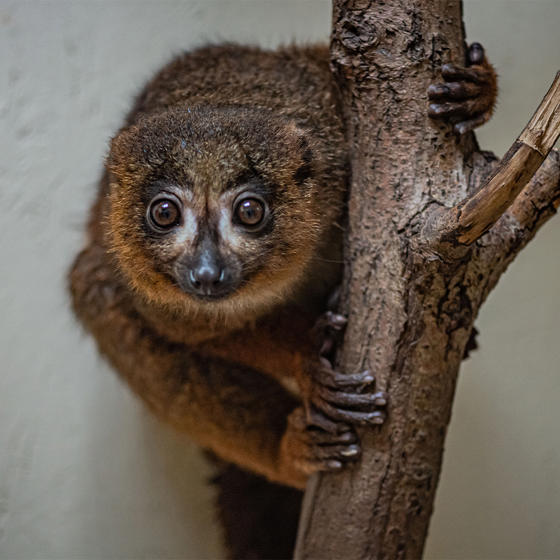
The red-bellied lemur is one of the world’s rarest primates. Only the males actually have red bellies - the females have white.
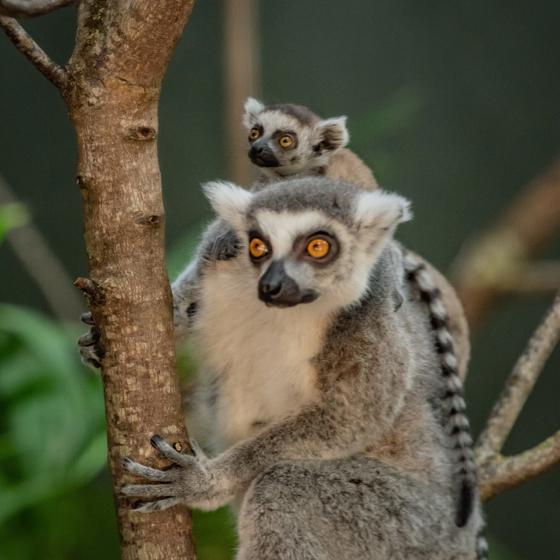
Lemurs are an example of primates who smile as a gesture of submissiveness. Like people, their smile is a clear message that they mean no harm.
To keep warm and reaffirm social bonds, ring-tailed lemurs cuddle together forming a ‘lemur ball’.
These lemurs have a social system that is unique in nature as they are the only species of primates known to build nests for their offspring.
This beautiful, star-patterned species is very long-lived – the oldest ever recorded died at an estimated age of 188!