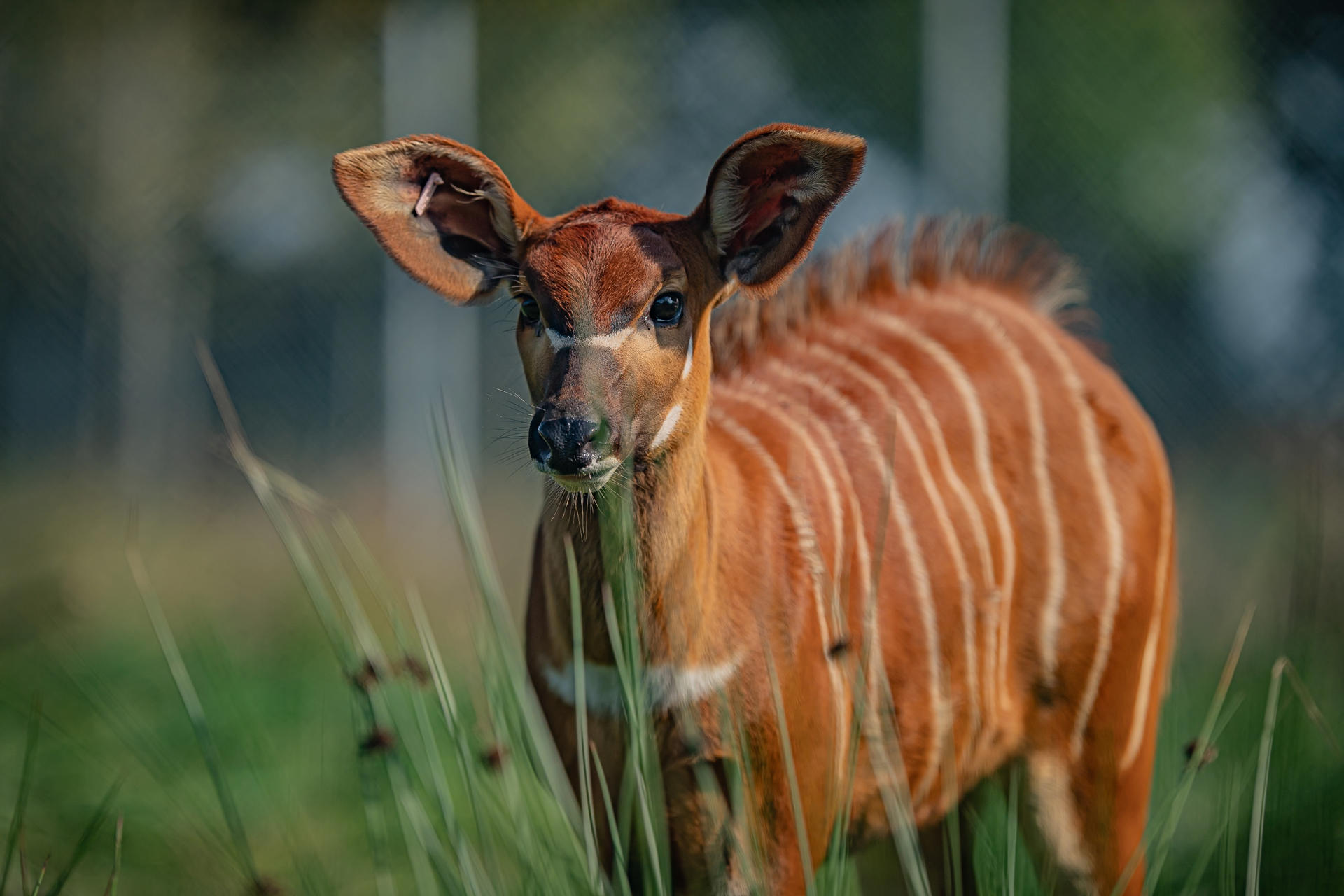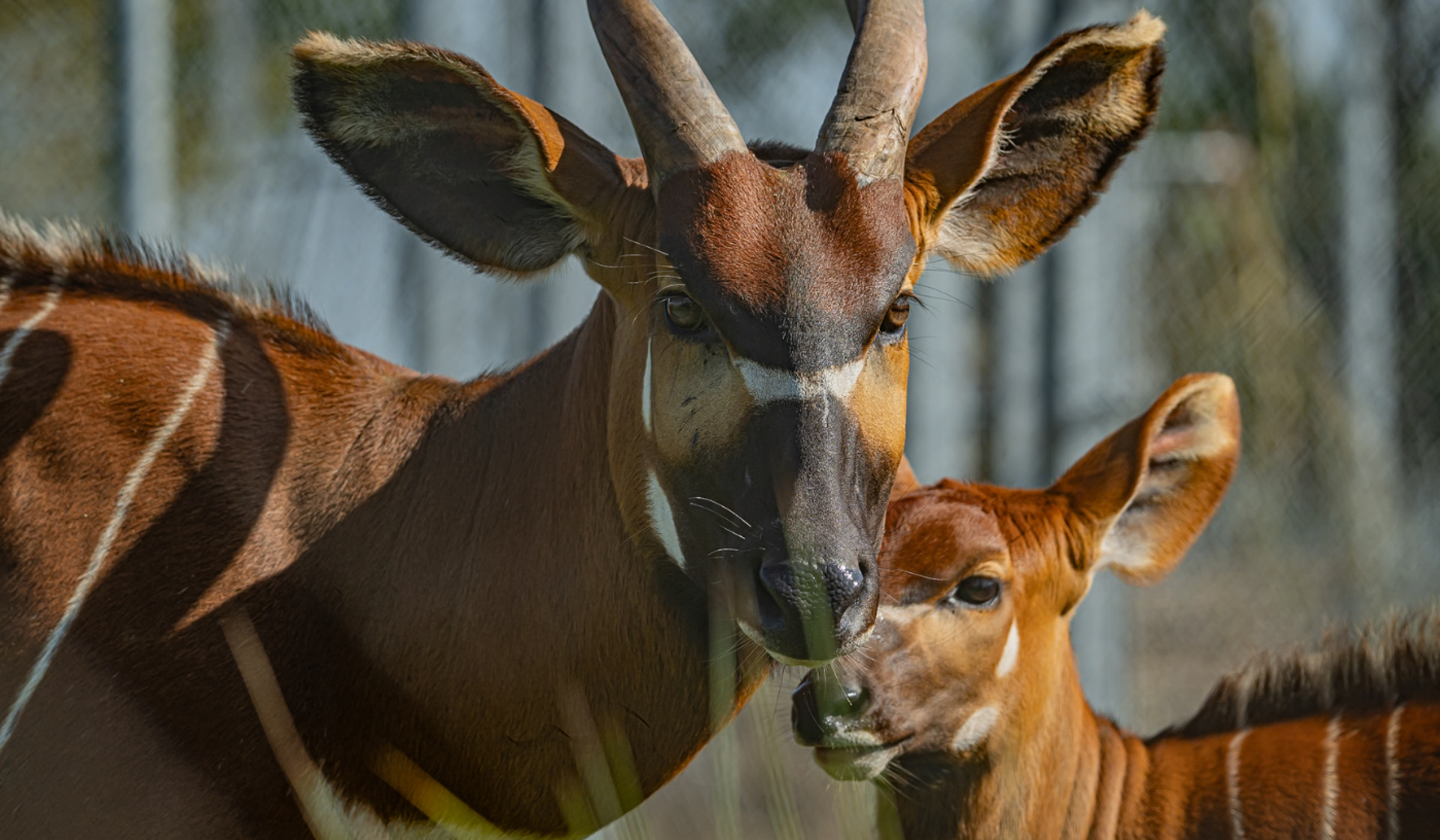
We’re working to protect mountain bongos, one of the world’s most endangered antelopes, and help secure their future in the wild.
Dr Tommy Sandri, Chester Zoo conservationist, talks about our bongo conservation work, from monitoring these elusive animals to the rediscovery of a population in Kenya’s Maasai Mau forest.
Why mountain bongos need urgent action
Why are mountain bongos considered one of the most endangered antelope species in the world?
"The situation of the mountain bongo is the result of a 'deadly cocktail'. Their numbers are extremely low, with fewer than 70 individuals believed to remain in the wild. The most rigorous estimates place the population at between 29 and 70 individuals.
"These few remaining bongos survive in just two disconnected highland forests in Kenya: the Aberdares and the Maasai Mau, with only the former being a national park.
"The combination of a very small population and fragmented habitat is why mountain bongos are classified as Critically Endangered on the ICUN Red List. The only category beyond that is Extinct in the wild."
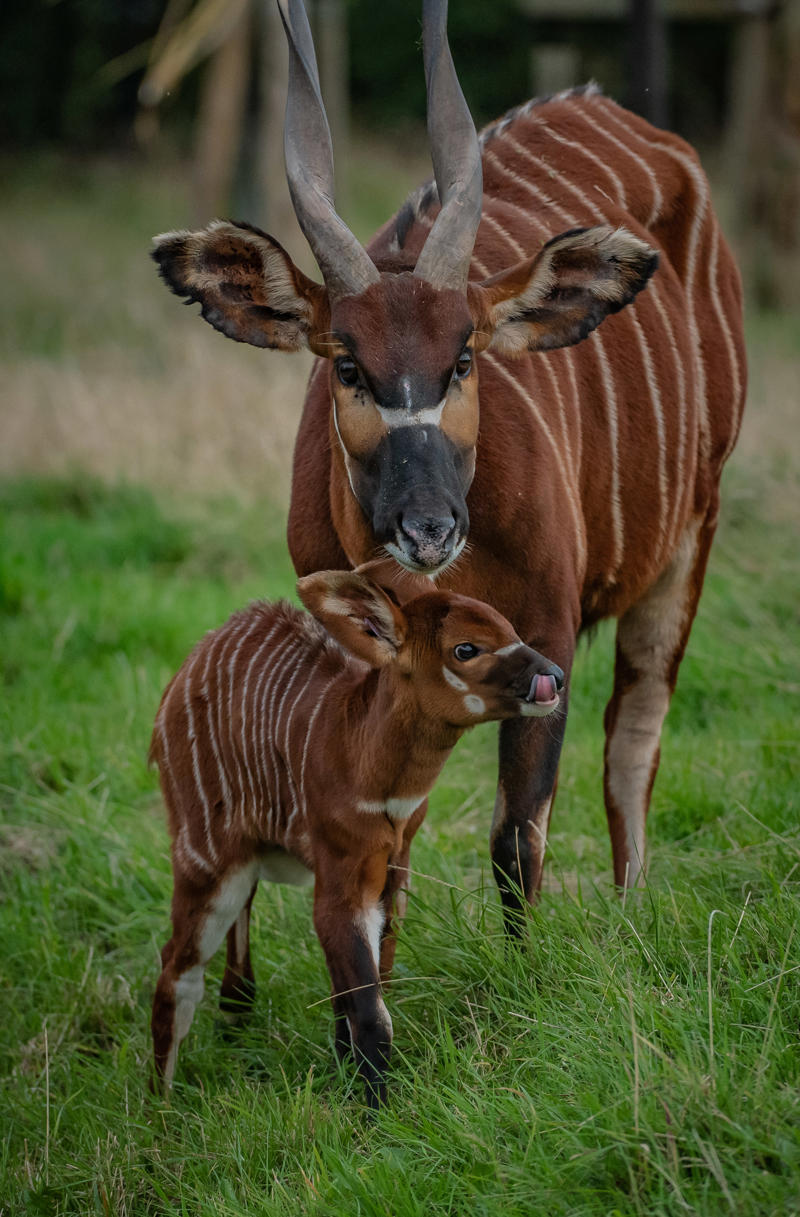
Can you explain what Chester Zoo's 'bongo-focused field initiative' is?
"The mountain bongo came very close to being considered extinct in the wild at the beginning of the century. Yet organisations working in the field never gave up, and bongos were rediscovered in the Aberdares in 2008, as well as in three other mountains.
"Since I started working on bongos in 2014 as a Master's student supported by Chester Zoo, they have vanished from two of those areas. Today, they are only found in two places in the wild.
"The initiative aims to support the efforts of local organisations by sharing know-how and capacity among all the various people and organisations working on bongo conservation in the field. Better coordination is needed for bongos to thrive.
"We're also helping to develop novel technologies to facilitate the monitoring of these shy and elusive antelopes. Despite working on bongos for more than a decade, I've never encountered one in the wild."
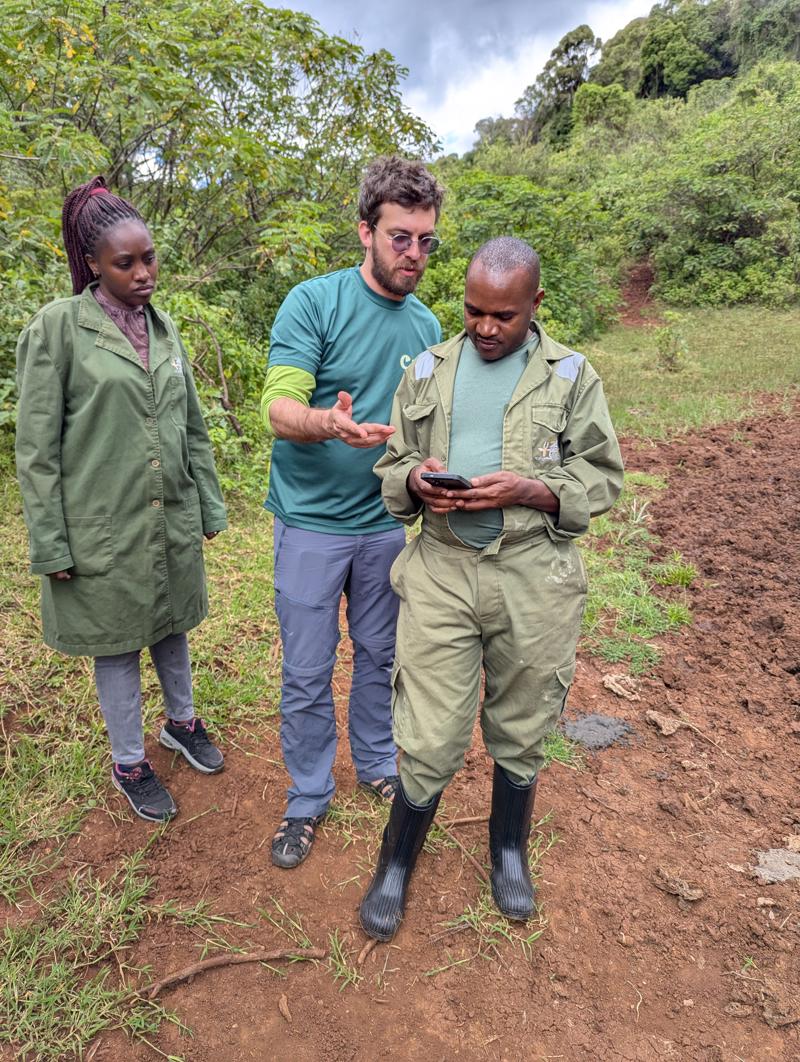
"Despite working on bongos for more than a decade, I've never encountered one in the wild."
Tracking a species on the brink
How do researchers determine whether a habitat is suitable for future reintroductions?
"Research conducted in Kenya by both myself and others has shown that bongos love lush, rich forests, what we can call secondary forests, with lots of younger trees and a dense undergrowth.
"Yet bongos need more than just suitable habitat. They need their areas to be safe and secure, with limited detrimental human activities. I'm not just talking about hunting, which has an immediate impact, as you can imagine, but also cattle grazing. As well as causing disturbance, cattle can bring diseases and parasites that can be passed on and cause havoc in small wild bongo populations."
How significant is it to have captured images of mountain bongos in the Maasai Mau forest after more than five years without confirmed sightings?
"It was 'it made me cry' significant! The Maasai Mau population is much more than just the only other place where mountain bongos still exist in the wild. Preliminary genetic analysis show that these animals hold as much diversity as the larger Aberdare population.
"The dread of them being gone was one of the saddest moments for me and the rest of the team. The rediscovery of one male in January, followed by sightings of other individuals in the following months was a real supercharge for us and the organisations working to monitor and protect them."
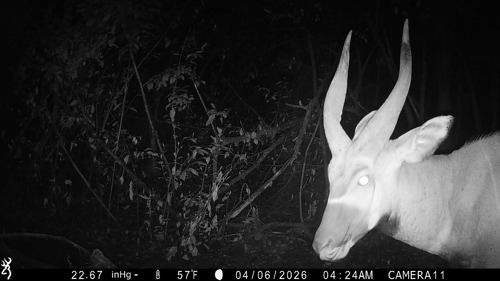
"The rediscovery was a real supercharge for us and the organisations working to monitor and protect them. It was 'it made me cry' significant!"
Understanding the conservation challenge
What would happen if conservation action was not taken now?
"The major issue is what we consider action. One action is, of course, to keep monitoring these animals, but we need actions beyond monitoring, and the action plan we helped to develop moves in that direction.
"If no action were taken, I imagine we would simply see fewer and fewer bongos in both the Maasai Mau, where for five years we had a preview of what that looks and feels like, and in the Aberdares, until we no longer encounter them at all, as has happened in other mountain areas.
"They would be gone.
"Instead of seeing the animals under human care as a source of life and support for the last wild populations, with their genetic relevance intact, we would be talking about repopulating Kenya with entirely new bongos. By then, we would have already lost a great deal, perhaps even too much for the long-term survival of this antelope. This is why our conservation action is needed."
How hopeful are you that the Maasai Mau population can recover with the right support?
"I am very hopeful that Maasai Mau can be as relevant as the Aberdares for the long-term survival of the mountain bongo.
"A new survey conducted by our partner, the Mountain Bongo Project (MBP), is coming to an end and will help us better understand the range of this population. Moreover, Maasai Mau may hold even more suitable habitat than other areas, making it likely that bongos, once protected, could recover and thrive in that landscape. In a nutshell, if Maasai Mau is protected, the bongos should be able to recover and the influx of individuals from the breeding program would be a useful boost."
"If Maasai Mau is protected, the bongos should be able to recover."
How technology is transforming conservation
The project is trialling AI-powered monitoring technology. How does the system work in practice?
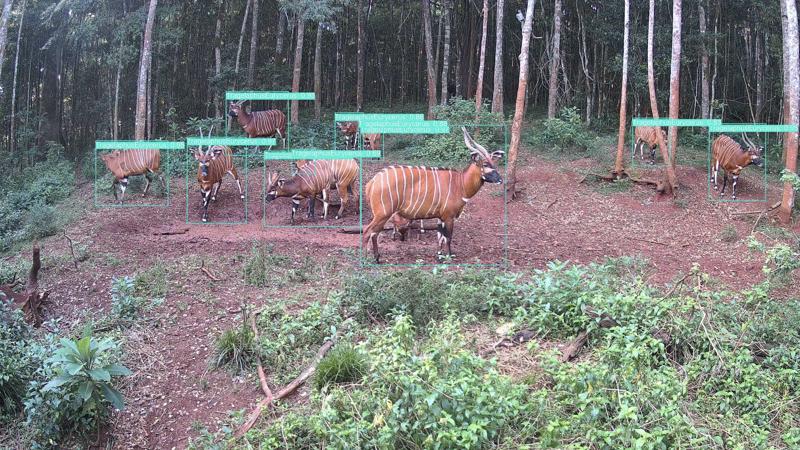
"The system we trialled in the Aberdares, and which we are still testing at Mount Kenya Wildlife Conservancy, consists of 4G-capable cameras placed at salt licks. Every image captured is sent to a server, where a species identification model is run to identify what the cameras have seen.
"The sighting is then automatically stored in a database that I can access from anywhere. This means we can see information such as, 'Camera 6 saw one bongo at 5am on 6 August'.
"The issue with monitoring these animals is logistics: entering the forest, reaching the cameras, recovering data, manually identifying species, and visually identifying individual bongos takes a lot of time and energy. AI aims to simplify all of this.
"The heavy work will be the placement of the cameras, which you have with traditional cameras too, but then AI tools will provide us with a constant flow of information that we can access anytime, from anywhere, without having to revisit the cameras unless there is a need for maintenance."
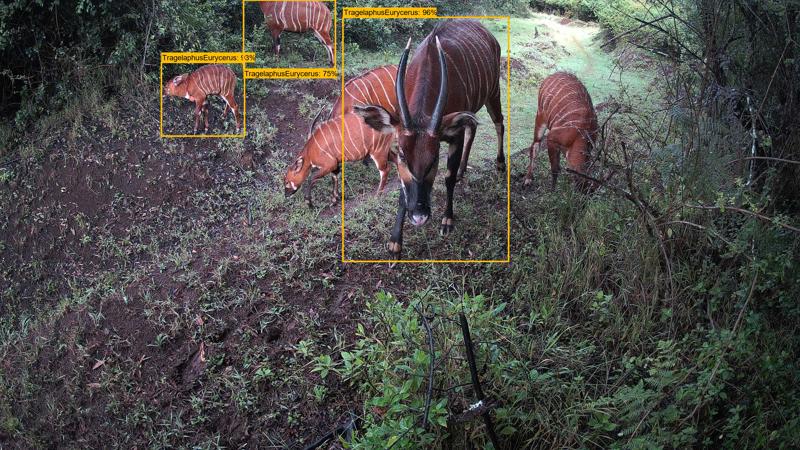
Do you see this technology being used to protect other endangered species in the future?
"That is the goal. We are focusing on some very difficult species to study and monitor, including bongos and pangolins, for exactly that reason. Many species are difficult to monitor, and forest species in particular can suffer from a lack of information.
"Our goal is to develop the tools and systems that can provide crucial knowledge to those working with hard-to-study species.
"The bongo is the first species to benefit from this approach. We are already eyeing some other stripey animals that live deep in the forests..."
The power of partnership
Why is collaboration between zoos, conservation organisations, governments and local communities essential for this type of project?
"Because no one can deliver every aspect needed for a project like this to succeed on their own."
"You need to work as a team. Otherwise, we may have great data on the habitat needed by mountain mongos, but no one to protect that habitat. Or we may know every bongo in the Maasai Mau by name and genetics, but have no understanding of the social fabric of the communities that call that landscape home.
"That is what we're striving to achieve through this initiative: partnerships that integrate Chester Zoo's strengths with those of other organisations and local communities to maximise our effectiveness in the field, where it counts."
"No one can deliver every aspect needed for a project like this to succeed on their own. You need to work as a team."
Building a future for mountain bongos
What are the next steps following the discovery?
"The discovery that bongos still exist in the Maasai Mau does not alter our plans for bongo conservation, but it does make us accelerate them.
"We've always known this forest is important and, even when we feared the worst had happened, we never 'left' it. Now we know we need to make it safer and learn more about the population.
"The current survey will help us refine our understanding of the area, and we'll try to locate salt licks where we can start monitoring the population, as we already do in the Aberdares. The next step is to apply what we've learned, and what we already do with the other well-known wild population, including AI-assisted monitoring tools.
"The discovery has also reinforced the importance of looking for bongos or suitable bongo habitats in other areas. There are sites in the Aberdares and on Mount Kenya that we'd like to survey next, and finding bongos here has made us even more motivated to do that."
For Tommy and the wider conservation community, the recent rediscovery of mountain bongos is more than just a positive sighting. It's a reminder that, while the species remains critically endangered, there is still time to secure a future for these remarkable antelopes.
"The discovery that bongos still exist in the Maasai Mau does not alter our plans for bongo conservation, but it does make us accelerate them."