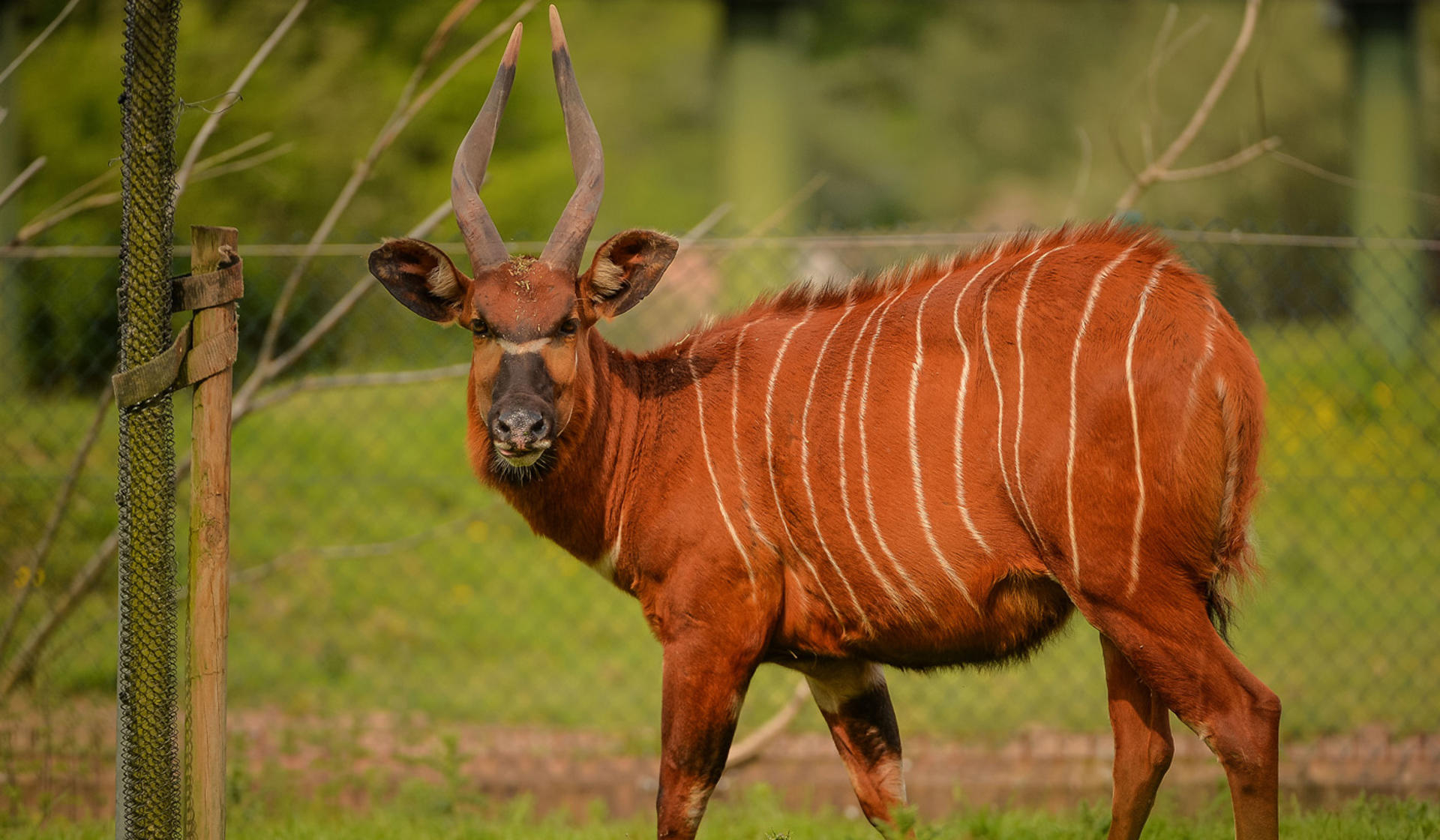
Backing the bongo action plan
We have joined specialist conservation organisations to map out a future for the world’s rarest forest antelope.
We have joined a slew of specialist conservation organisations to map out a future for the world’s rarest forest antelope: the mountain bongo.
The National Recovery and Action Plan for the Mountain Bongo (2026–2030), officially launched at a recent ceremony in Kenya, has united conservationists to protect and boost bongo numbers in the wild and in human care by 50% by 2030.
The eventual aim is to build a sustainable population of 750 individuals in the wild by 2070.
There may be fewer than 50 mountain bongos still living wild, scattered across two Kenyan forest regions, but this new plan could be an important step toward ensuring the species has a future.
Tommaso Sandri, the manager of our bongo field programme, said:
“We have an important part in supporting the plan. We supplied data on current populations and we’re developing new technologies alongside our colleagues at the Mount Kenya Wildlife Conservancy (MKWC), where more than 100 bongos are cared for, to help track and protect the species in the wild.
“This is truly collaborative. All the organisations involved in bongo protection have had a part in the plan, which was issued by the Kenyan government, so the plan itself is helping us to coordinate more closely and effectively, sharing information and expertise."
The launch of this plan is the latest in a year of wins for this elusive and highly at-risk species.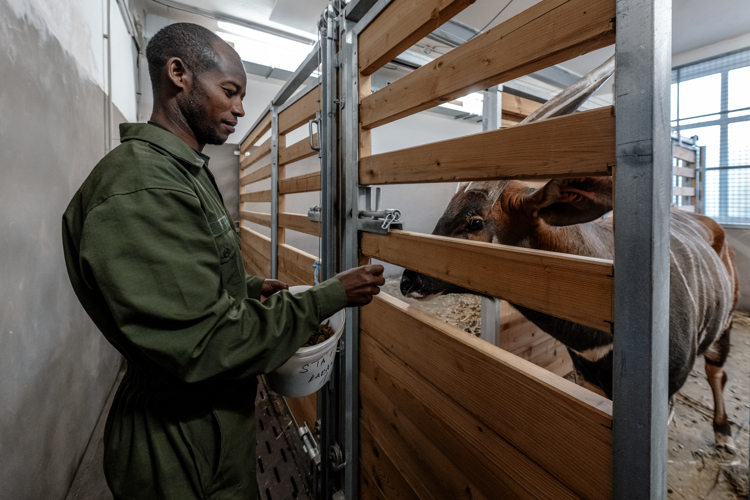
Photo by Petr Topič
In April, Dr Nick Davis, Mammals General Manager at Chester Zoo and coordinator of the European ex situ conservation breeding project for bongos, coordinated the transfer of four Europe-born bongos to Kenya to enhance the herd at MKWC.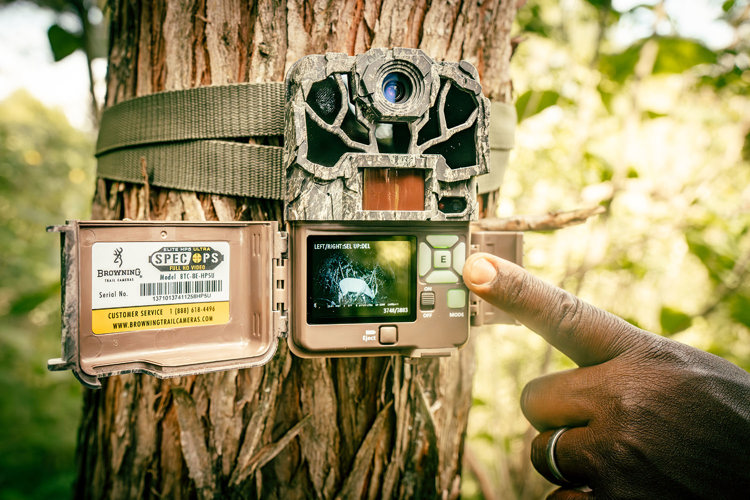
Photo courtesy of MBP
This year, Dr Sandri also helped confirm the findings of Mountain Bongo Project (MBP) rangers, establishing that a remnant population of bongos still roamed The Maasai Mau region. This sits about 200km from the Aberdares mountains, which were thought to be the species’ last stronghold.
Going forward, Chester Zoo will supply information to a central repository of bongo knowledge and will continue to advance AI technology for conservation, enabling real-time monitoring and protection of bongos in their remaining ranges.
Dr Sandri said:
“We’re really proud to be working together with the Kenya government and bongo conservationists. This plan, as well as setting out a roadmap, has brought us all together. It will mean we have better data, better coordination and we are in a good position to see that practical actions are carried out.”