Bongos are back! Rare antelopes return to forest habitat
Incredibly rare antelope captured on camera in region where they were thought to have disappeared.
Conservationists feared wild mountain bongos had vanished from a key forest habitat - but uplifting pictures show their return.
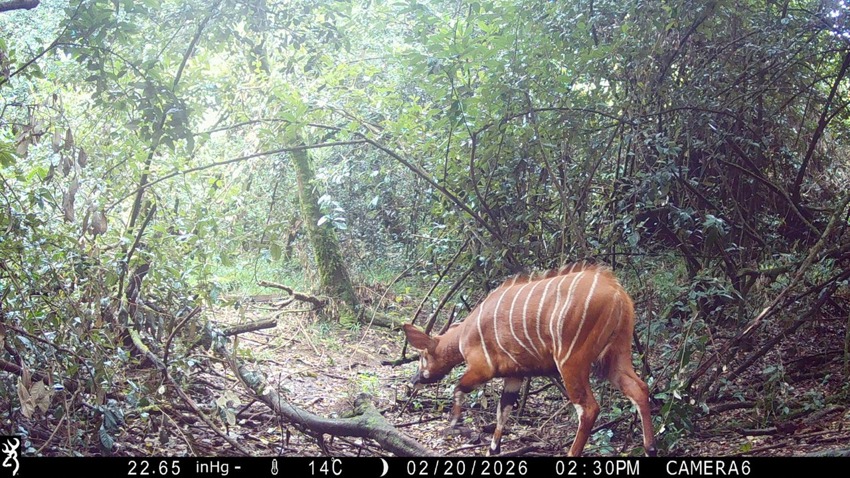
Mountain bongos are incredibly rare.
For more than half a decade, evidence suggested the entire wild population survived only in the Aberdare mountains in Kenya.
Today (Mountain Bongo Day) we are delighted to share these photos.
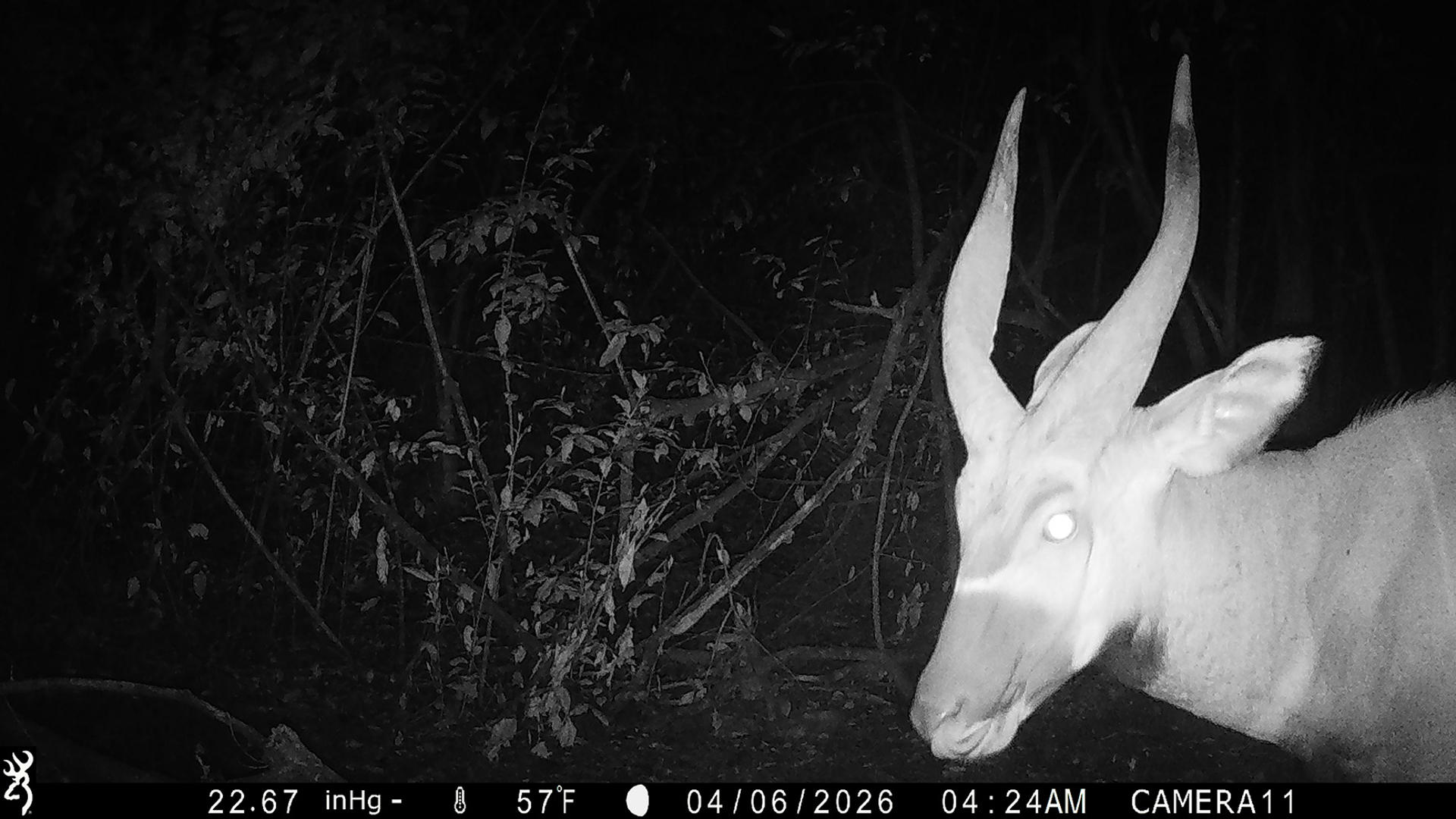
They are evidence that these incredibly rare antelopes have been seen in the forests of Maasai Mau for the first time in more than half a decade.
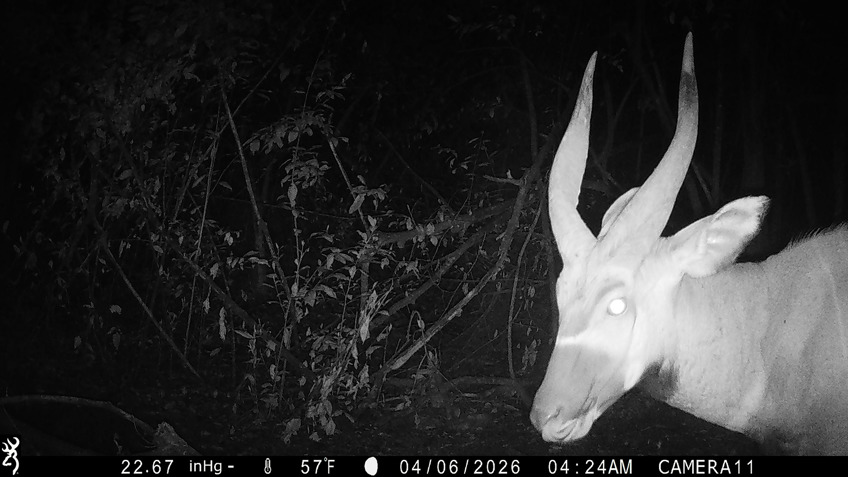
The images come at a key moment in bongo conversation.
Today, we can also reveal the results of a high-tech survey carried out last year following support from the Mountain Bongo Project (MBP), Mount Kenya Wildlife Conservancy (MKWC) and Kenya Wildlife Service.
We've analysed the data, and it paints a worrying picture.
Our AI-powered cameras detected only 28 individuals in the Aberdares stronghold, and MBP rangers confirmed there are likely fewer than 40 based on eyewitness reports.
The Maasai Mau region sits about 200km from Aberdares protected area, and the presence of bongos here has brought new hope for conservationists.
The excitement in camp was unbelievable when we first looked through the photos. This image is the result of years of hard work by our rangers on the ground in one of Kenya’s most inaccessible forests.
Oscar Dyer, Director of Operations at MPB
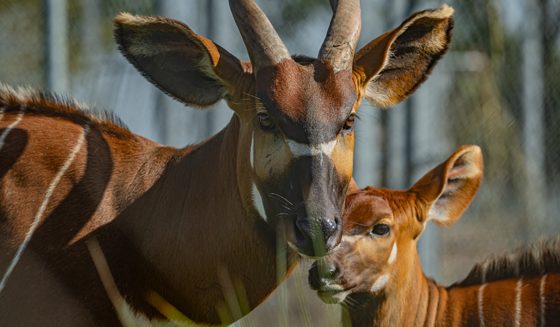
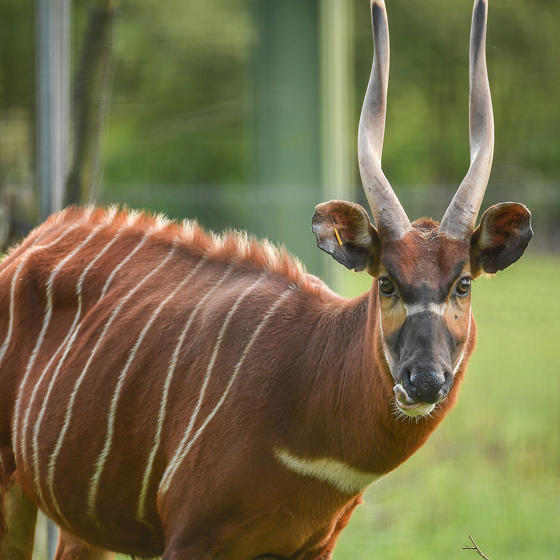
Bongos are the largest forest antelope in Africa, but their extreme rarity and shyness make them difficult to track.
Our experts support MBP rangers using scientific evidence and data to support their vital on-the-ground experience.
MBP’s Maasai Mau rangers are Okiek and Maasai people who draw on long-held knowledge about the local ecosystem.
It takes time for rangers to set up the motion-sensitive equipment and collect the pictures. They have to physically visit the camera site. This is tough work as the areas are remote, rugged and densely forested.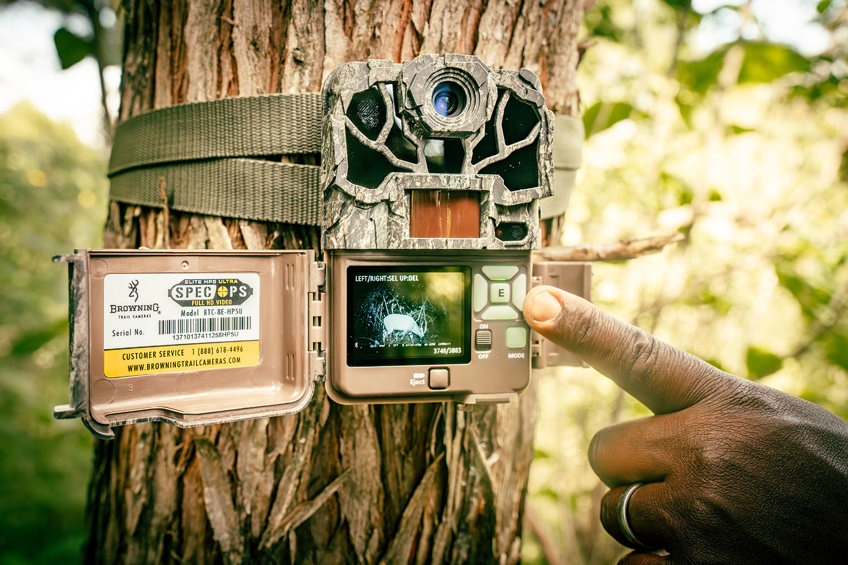
We helped them identify places where bongos were likely to trigger trail cameras and analyse the bongo's markings to make sure they are definitely separate animals!
Our analysis shows that the cameras captured an older male, likely first identified back in 2018 by Dr Tommaso Sandri, Chester Zoo conservationist and MBP Advisory Council member.
The most recent pictures show a younger male and a female exploring the region.
This is huge news. Unlike Aberdares, Maasai Mau is not a national park, and the reappearance of bongo may focus organisations on increasing broader protections.
Dr Tommaso Sandri, Chester Zoo conservationist
Our conservationists are currently working on a new action plan to coordinate bongo safeguarding work, which will be published very soon.
There are about 900 bongos in zoos and sanctuaries, including those at Mawingu Mountain Bongo Sanctuary run by MKWC, which recently celebrated its 100th bongo birth.
Our experts recently organised the translocation of four European-born males to reinforce the sanctuary population, but protecting bongos in the wild is important as it will preserve vital genetic diversity for the species.
(Photographs courtesy of the Montain Bongo Project)