Conservationists respond to UK Government's species reintroductions plan
The UK Government has published its Environmental Improvement Plan - here's our take
Earlier this week, the Government published its revised Environmental Improvement Plan – a roadmap for restoring nature and tackling the biodiversity crisis.
One of the most significant actions in the plan is the inclusion of species reintroductions and conservation translocations as a key measure to halt wildlife decline by 2030.
This progress didn’t happen by chance. Last year, Chester Zoo – alongside our colleagues from BIAZA zoos and aquariums across England – called on the Government urging it to make species reintroductions a core part of the EIP. After receiving assurances that our call would be taken seriously, we’re delighted to see this commitment delivered.
It’s a major win for nature – and for many of the 940 priority species that will need some form of intervention to recover. Some have already disappeared from our landscapes and won’t return without carefully managed reintroductions.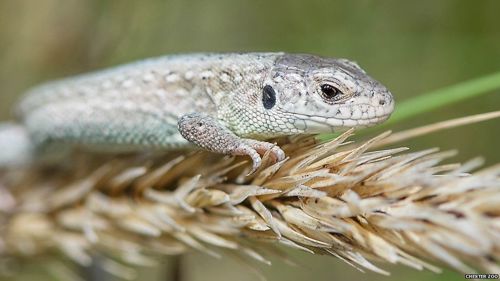
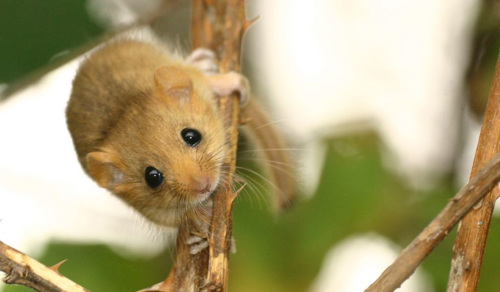
It’s not just about charismatic species like beavers. It’s also about the thousands of plants and invertebrates that quietly keep ecosystems thriving. That’s why we’ve been proud to play our part in the reintroduction of species such as large heath butterflies in the Manchester Mosses, hazel dormice in Cheshire, sand lizards along the Welsh coast, and cotoneaster cambricus – a critically endangered shrub native to Wales.
While the EIP contains many welcome commitments, there is still much to do and areas where it can go even further. We look forward to working closely with Government to ensure delivery matches ambition and creates a future where nature can survive and thrive.