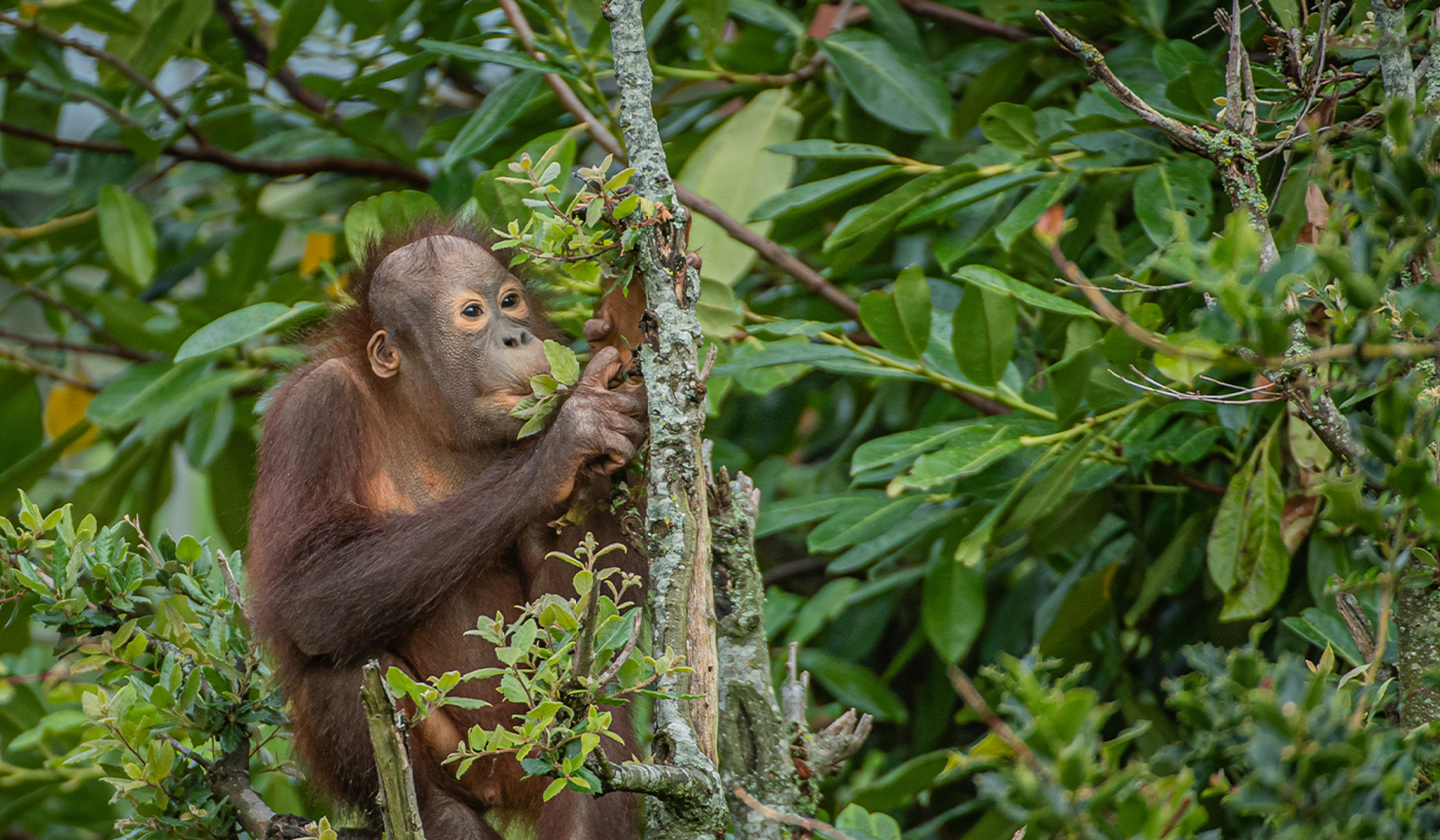
Amazing first images from rainforest research
We are working with Bornean conservationists to shape the future of rainforest conservation.
This World Rainforest Day, we’re releasing the first videos and pictures captured as part of a three-year Biodiversity Research Forest programme.
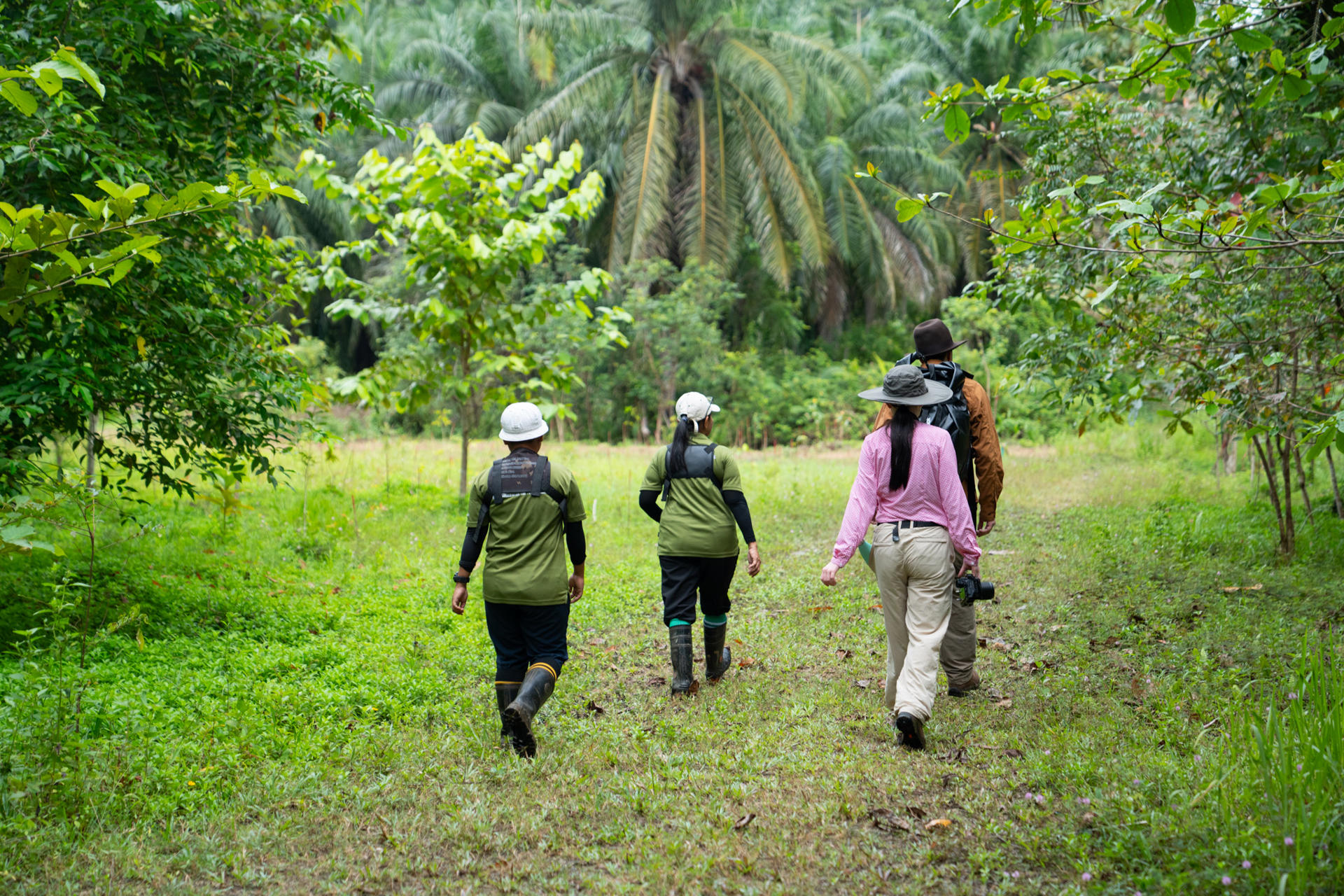
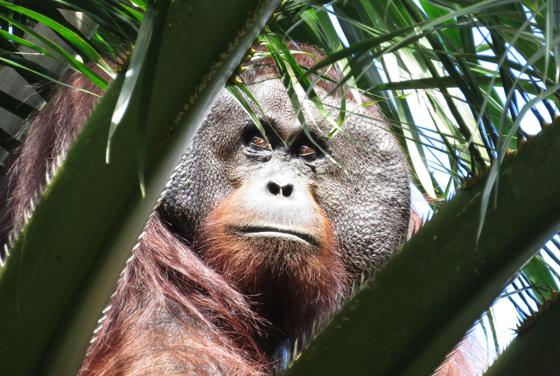
Scientists in the Kinabatangan UNESCO Biosphere Reserve in Sabah, Malaysian Borneo, are combining cutting-edge methods, including thermal drones, bioacoustics recorders and camera traps to monitor iconic species such as the Bornean elephant and orangutans.
The project is led by our in-country partners, Hutan, a Bornean conservation group that is monitoring and supporting ecosystem health in a landscape made up of biodiversity-rich pockets of forest and large-scale palm oil plantations.
The rainforest research is supported by Ferrero UK and Chester Zoo. This work builds on the long-standing partnership between Ferrero UK and Chester Zoo which has been central to this work, combining scientific expertise, conservation knowledge and industry collaboration.
The Biodiversity Research Forest programme is the next step in our work together, generating research that can help inform how palm oil landscapes are managed, with the view to hopefully help drive wider landscape transformation beyond our own sourcing regions.
Paola Nogales, Responsible Sourcing Manager, Ferrero
Researchers have already deployed 30 camera traps and confirmed 15 key species including Bornean orangutans and Bornean elephants are using a corridor linking two fragments of forest.
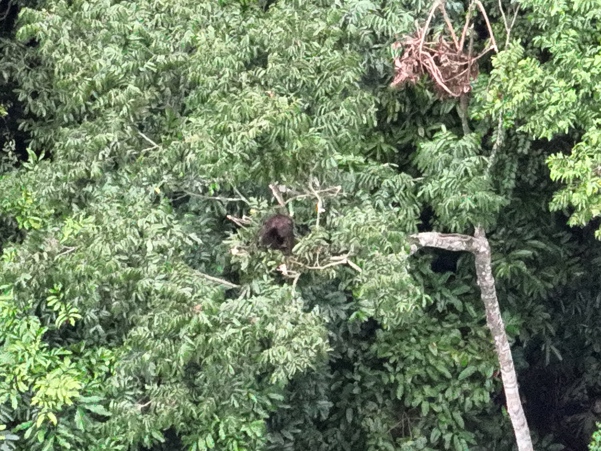
The team also trialled the use of thermal drones flying above the forest canopy after dark to identify orangutans directly.
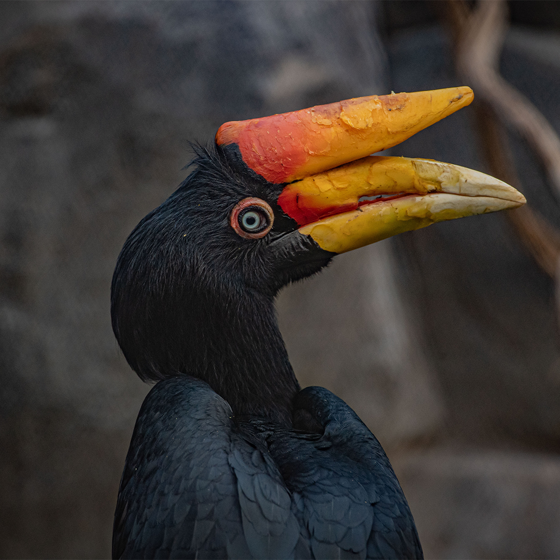
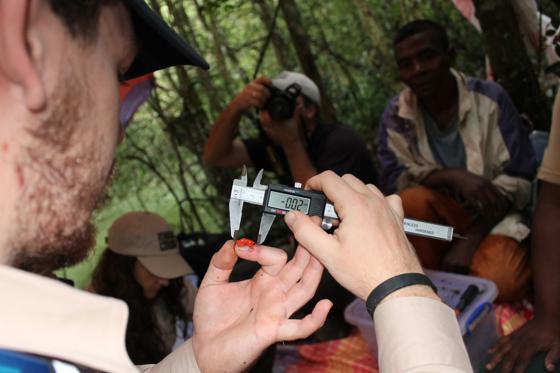
They also monitor amphibians, birds and invertebrates as these can be key indicators of ecosystem health.
Palm oil, commonly found in many supermarket products, often receives a bad reputation due to unsustainable production which drives the destruction of huge areas of rainforest in Sumatra, Borneo and other regions.
However, palm oil itself is not inherently bad. It is both versatile and efficient - it can yield 10-15 times as much oil per acre than other sources, which means that swapping to another plant source is not necessarily better and can contribute to an increase in deforestation.
We are advocating for more deforestation-free sustainable palm oil production, and work with Hutan to help species move through the landscape.
Palm oil is often misunderstood, but when it is sourced sustainably, it can be a highly efficient crop with an important role to play.
Palm oil is often misunderstood, but when it is sourced sustainably, it can be a highly efficient crop with an important role to play.
Kirsten Pullen, Chief Conservation Officer and Deputy CEO, Chester Zoo
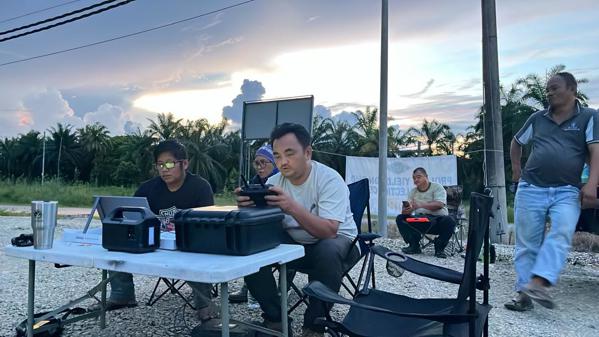
Through the Biodiversity Research Forest project, we are generating vital new insights into how wildlife uses these complex landscapes and how they can be better managed.
At Hutan, our mission is to ensure that people and nature can thrive together in balance. With the support from Ferrero, Chester Zoo and other partners, the monitoring we are doing is helping us see what we have never been able to see before, building a much more accurate picture of wildlife and how management plans can benefit species across this mosaic landscape.
Amanda Shia, Scientific Officer, Hutan