Two of the world's rarest lions arrive at Chester Zoo
The arrival of Nilay and Shanti marks a significant step in global efforts to protect Asiatic lions from extinction.
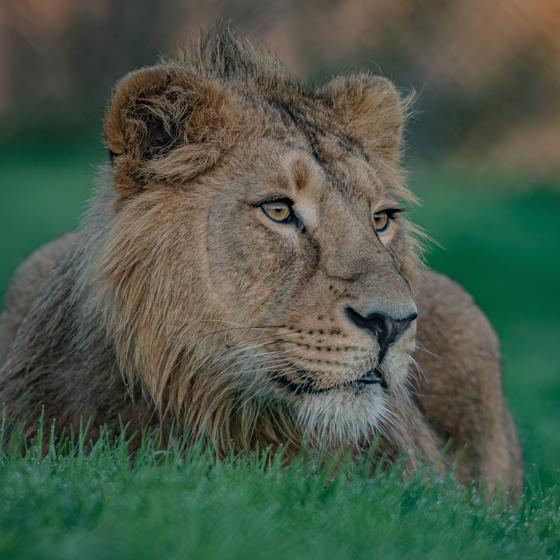
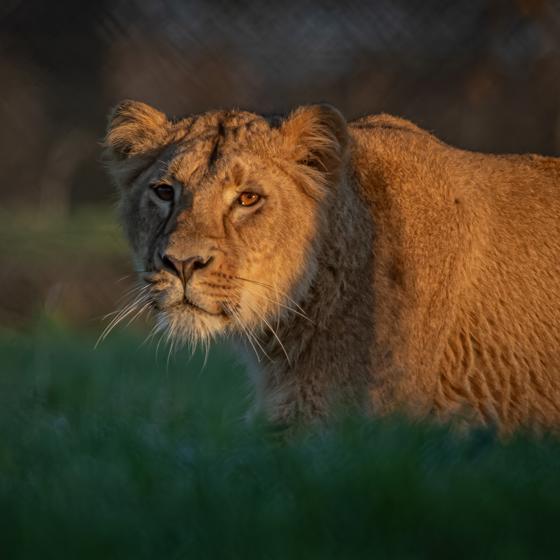
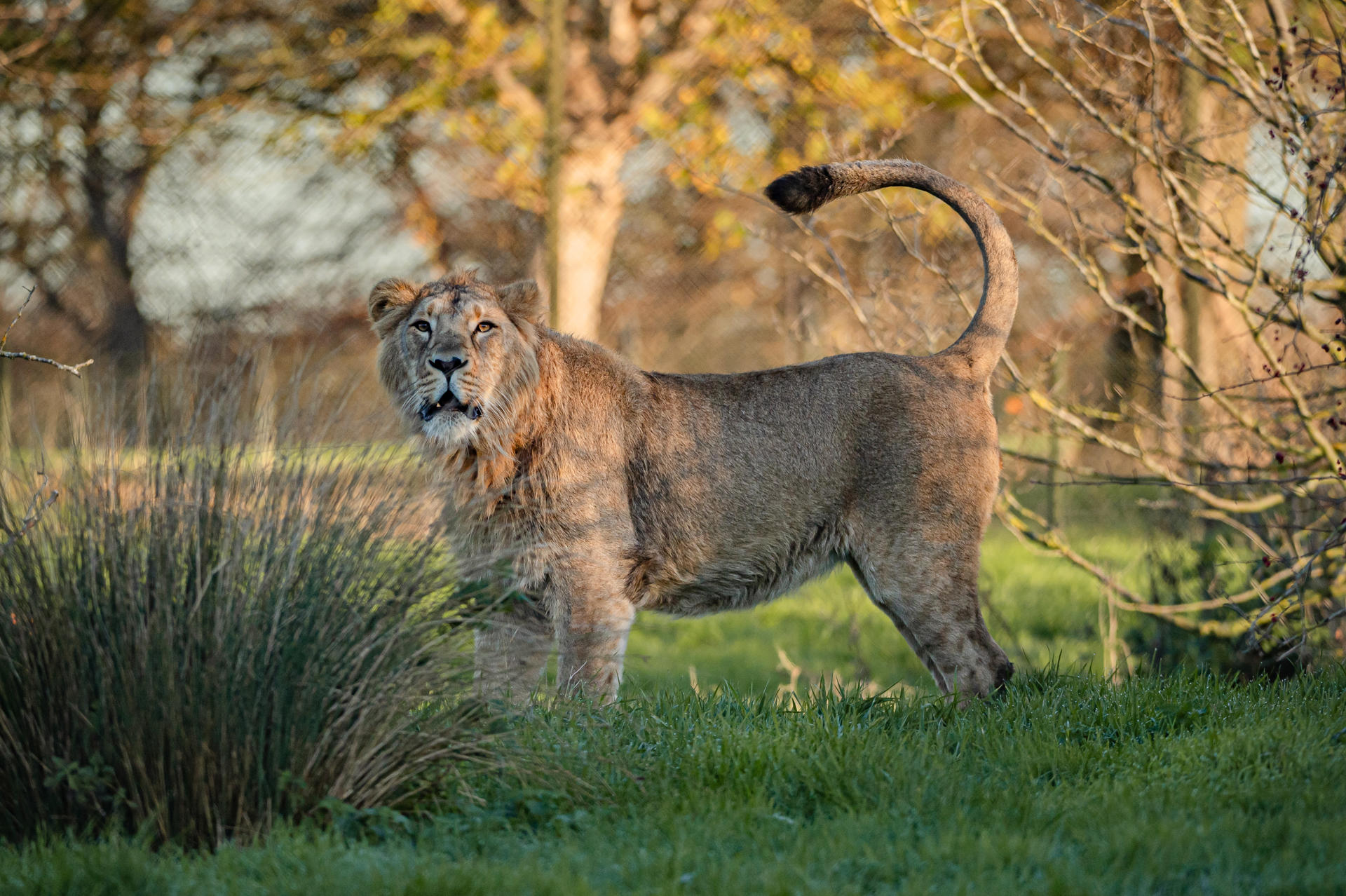
We’ve welcomed Nilay and Shanti, two young Asiatic lions, to our conservation zoo.
Fewer than 900 of their kind remain in the wild today. Their arrival here at Chester Zoo forms part of a carefully coordinated global breeding programme – designed to protect this critically endangered species from disappearing altogether.
Nilay, a male who’s travelled from Köln Zoo in Germany, and Shanti, a female from London Zoo, have been genetically matched to help create a healthy and sustainable safety-net population in conservation zoos.
Our carnivore experts captured the moment they met for the very first time – and say the duo formed an instant connection, with affectionate head rubs and playful behaviour already being shown between them.
Watch as Nilay and Shanti are seen side by side, exploring their new habitat and beginning to settle in together.
At around two years old, Nilay and Shanti are at the age when they’d naturally leave their mothers and begin living independently. After settling in behind the scenes, they were introduced to each other in a specially designed space – and are already showing signs of bonding.
We’re hopeful that their growing connection could one day lead to cubs, helping to further secure the future of this incredible species.
The arrival of Nilay and Shanti marks an exciting new chapter in our conservation efforts to protect one of the world’s most extraordinary and endangered animals.
Dave Hall, Team Manager of Carnivores at Chester Zoo
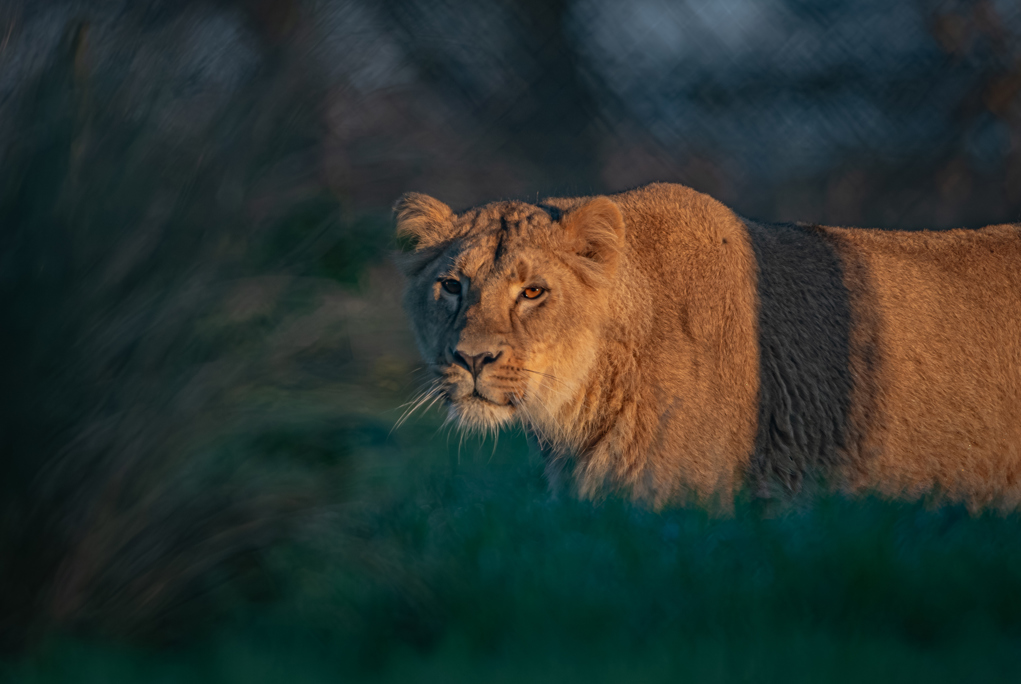
Asiatic lion, Shanti
Once found across vast areas of Africa, the Middle East and Asia, Asiatic lions now survive only in India’s Gir Forest – a single pocket of dry forest and scrubland in the state of Gujarat.
Today, their wild population faces threats from habitat loss, disease, poaching and natural disasters. The species is listed as endangered by the International Union for the Conservation of Nature (IUCN), and their limited range makes them incredibly vulnerable.
Lions are iconic. They symbolise strength and courage in many cultures around the world – but Asiatic lions are now fighting for survival,
Mark Brayshaw, Head of Mammals at Chester Zoo
“That’s why global conservation breeding programmes are so important. By creating strong, genetically healthy safety-net populations in zoos like ours, we can help ensure Asiatic lions don’t vanish altogether. Alongside this, we’re supporting conservation efforts in India and across Asia, where our teams are working to protect the wild habitats that these animals – and many others – depend on.”
Asiatic lions differ from their African relatives in subtle but important ways. They’re slightly smaller, with shorter manes and a distinctive fold of skin running along their belly. And their sharp, powerful roar can carry for up to 8km across the forest.
Our Asiatic lion habitat is kindly supported by Andrew and Savitha Calthorpe.